
























Minnesota lawmakers move to ban Bitcoin Atm and bitcoin atm kiosks statewide

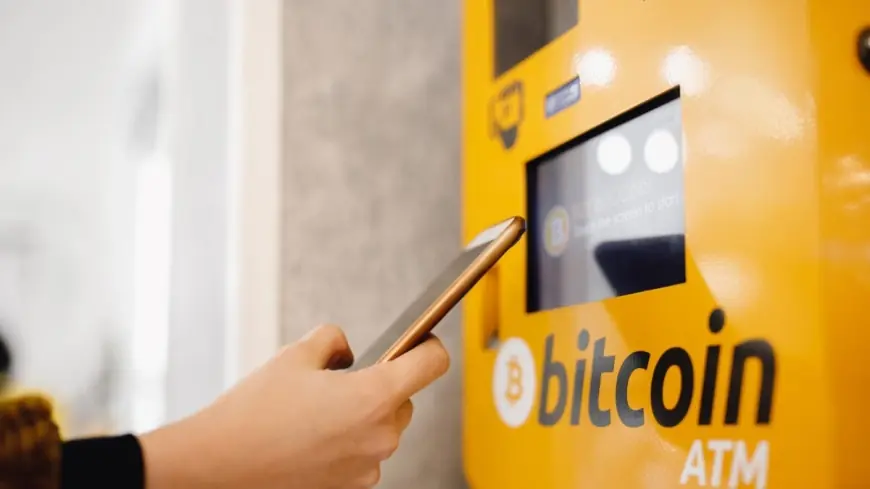
Lawmakers in Minnesota introduced House File 3642 to prohibit physical cryptocurrency kiosks, a push backed by local police and the Department of Commerce as officials point to repeated scams and mounting losses tied to bitcoin atm transactions. The bill’s advance to the House Commerce Finance and Policy Committee comes as state and nationwide enforcement actions and settlements highlight persistent consumer-harm concerns.
House File 3642: what the bill would do and where it stands
House File 3642, sponsored by Rep. Erin Koegel (DFL-Spring Lake Park), reached the House Commerce Finance and Policy Committee on Thursday. As amended, HF3642 would ban virtual currency kiosks statewide, a measure described in committee materials as "Banning cryptocurrency kiosks 2/26/26. " Koegel told lawmakers the bill would affect only physical kiosks; people could still conduct cryptocurrency transactions online. The committee laid the bill over for future consideration while lawmakers from both parties work to find language that can pass by the end of the session, Co-Chair Rep. Tim O'Driscoll (R-Sartell) said, citing consumer protection concerns related to the kiosks.
Regulatory framework under repeal and the protections it required
The measure would repeal a regulatory framework enacted in 2024 that required kiosk operators to post warnings that cryptocurrency is not legal tender and that transactions are irreversible. That earlier law also imposed a $2, 000 daily limit on new customers who had held accounts for less than 72 hours and allowed refunds if fraud victims contacted the company and law enforcement within 14 days. Department of Commerce officials testified that scammers routinely bypassed those protections by coaching victims to use existing accounts or machines in neighboring states such as Wisconsin.
Commerce Department and police describe local losses and underreporting
The Department of Commerce recorded 70 complaints in the past year totaling $540, 000 in losses, and the vast majority of these incidents tend to go unreported. Faribault Police Chief John Sherwin wrote to the committee that Faribault residents have reported losses of more than $500, 000 due to kiosks since 2022 and that this likely represents only 25 percent of instances in the city because the crime is underreported. Rep. Keith Allen (R-Kenyon) noted that extrapolating that figure would mean "That’s $2 million that’s left a rural community like mine. Those dollars could have been turning in that community; they could have been doing a lot of good, " Allen said.
Woodbury cases and victim accounts tied to bitcoin atm transactions
Woodbury Police Det. Lynn Lawrence described a senior who had been the subject of an eight-month scam and had completed at least 10 Bitcoin transactions in six months. Lawrence detailed a victim on a fixed income who sent roughly half her monthly earnings to scammers over six months through repeated bitcoin atm transactions and said, "She was afraid she was going to have to live out of her car because she had no money left. " In another Woodbury case Lawrence said the scammer exercised so much control that the victim questioned whether arriving officers were real police when witnesses called them to the kiosk.
Operators push back on a Bitcoin Atm ban; industry size and defenses
Industry representatives opposed an outright ban. Larry Lipka, general counsel at CoinFlip, which operates 50 kiosks in Minnesota and is described as one of the larger operators, acknowledged a scam problem but said it would be inappropriate to ban a legal product because fraud is occurring. "The scammers are vigilant. They’re terrible and they’re stealing from Americans, " Lipka said, adding, "Not our fault. " Sam Smith, the Department of Commerce’s government relations director, told lawmakers, "Previous efforts to increase consumer protections for crypto kiosks have failed. " Statewide there are roughly 350 licensed crypto kiosks operated by eight to ten companies, Smith said.
National legal actions, settlements and related state responses
The pattern cited in Minnesota mirrors actions elsewhere. Massachusetts Attorney General Andrea Joy Campbell sued crypto ATM operator Bitcoin Depot earlier this month, alleging the operator knowingly facilitated scams that caused more than $10 million in losses for state residents. Internal company data showed 13 to 16 percent of transactions were scam-related in early 2023 and rose to over 50 percent of money volume through Massachusetts machines from August 2023 to January 2025. A 2021 internal review flagged that 90 percent of customers interacting with one due-diligence team were likely scam victims; the company has said it disagrees with the allegations, has cooperated with law enforcement, and now requires identity verification on every transaction.
Other actions include a nearly $2 million settlement in Maine that required Bitcoin Depot to remove its kiosks from the state, a Kansas regulatory inquiry after a Centerville farm couple lost $20, 000 when a caller posing as Apple support instructed the wife to withdraw cash and deposit it into a machine in Johnson County, and West Virginia’s House Finance Committee advancing House Bill 5353 to license operators, set transaction limits, and mandate fraud protocols after residents reported $7. 6 million in losses the prior year. AARP West Virginia backed that bill and noted people 60 and older accounted for more than 85 percent of reported national losses in 2024. The context also references FBI figures but the detail is unclear in the provided context.
Lawmakers’ debate and next steps
During committee debate, Rep. John Huot (DFL-Rosemount) likened a ban on kiosks to the ban on cigarette vending machines in public. Rep. Ron Kresha (R-Little Falls) countered, "The fact of the matter is we haven’t solved the cigarette problem, " and said the state’s tools are limited compared with kiosk operators; he expressed interest in hearing what companies are doing to work with law enforcement. Rep. Keith Allen echoed those concerns while pointing to local police reports. Committee leaders said they are working across the aisle to craft bill language that could pass by the end of the session, leaving HF3642 pending further consideration.