






















Josh Hart's Quiet Engine: How His Rebounding and Versatility Lift the Knicks' Rotation

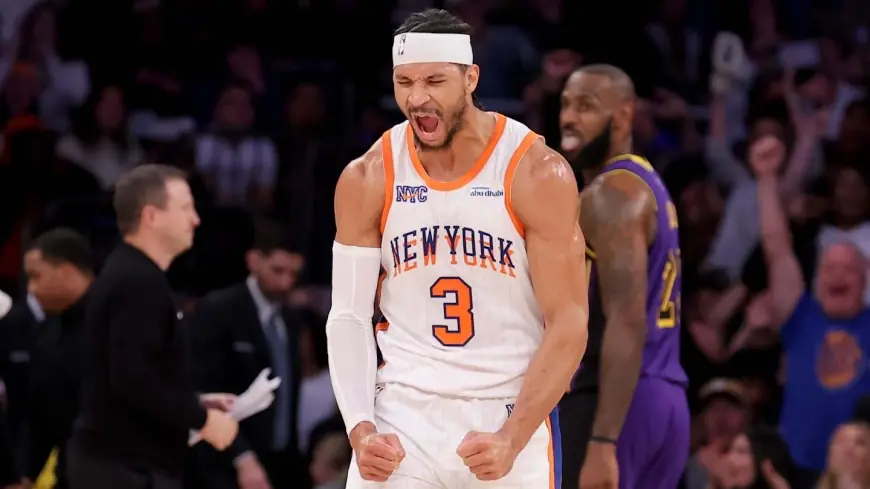
Why this matters now: josh hart’s combination of rebound rates, playmaking and efficient shooting is changing immediate matchups for the Knicks and easing pressure on primary scorers. That shift affects minutes, matchup choices and the kinds of lineups opponents must plan for — not tomorrow, but right through stretches when he’s starting and producing.
Josh Hart's effect on teammates and the rotation
Here’s the part that matters: when Hart is in the starting lineup he isn’t just filling a slot — he alters responsibilities. Over a notable 33-game span as a full-time starter, he produced 12. 7 points, 7. 8 rebounds and 5. 5 assists while shooting nearly 50 percent from the field and above 41 percent from deep, and ranking third on the team in plus-minus at +5. 3. Those figures show he helps the unit sustain offense and secure extra possessions on the glass, which in turn reduces the load on the primary scorers and permits more defensive switching.
Event details and recent production
Across a broader sample (47 games), Hart averaged 11. 9 points, 7. 4 rebounds, 5. 2 assists (a career high), and 1. 1 steals while shooting 49. 4 percent overall and a career-best 39. 7 percent from deep. In a recent single-game line during a road win, he logged 11 points on 4-of-5 shooting, nine rebounds and five assists in 33 minutes. Earlier in the season he began in a bench role but has increasingly locked down starting minutes, backed by strong recent splits: in an 11-game stretch he averaged 12. 3 points, 6. 5 rebounds and 5. 4 assists while shooting 51. 0 percent from the floor.
- Unique rebound profile: the only player listed at 6'5" or shorter with a total rebound percentage at or above 13. 0 percent (13. 6 percent), a marker of exceptional glass work for his size.
- Near double-double last season: previously posted figures around 13. 6 points and 9. 6 rebounds in a season-long sample.
- Balanced efficiency: sustained near-50 percent shooting with career-best marks from three in current samples.
If you’re wondering why this keeps coming up, it’s because those traits stack: rebounding generates extra possessions, playmaking turns those into higher-quality chances, and efficient shooting keeps lineups afloat when primary scorers rest.
What’s easy to miss is how those concrete numbers translate into fewer late-game defensive gambits and more freedom for the team’s primary shot creators. That subtle change in margin can swing tight contests without making headlines.
Below are concise takeaways drawn from recent stretches rather than long backstory:
- When he starts, the lineup posts a noticeably higher net impact (third on the team in plus-minus over the cited span).
- His rebound rate for a sub-6'6" player is exceptional and creates match-up problems for opponents used to bigger rebounders.
- Recent shooting marks — including a career-best three-point percentage in one sample — increase the threat he poses as a perimeter spacer.
- Transition from bench to starter has been accompanied by a career-high in assists, signaling growing creation responsibility.
The real question now is how sustained this level of production can remain across different matchup types and larger samples. The immediate signal is clear: when Hart is active and starting, the rotation gains a two-way glue player who can rebalance minutes and matchup choices.
Editorial aside: the bigger signal here is that players who change the math on possessions and spacing often have outsized influence even without All-Star recognition — Hart’s stat profile shows exactly that dynamic at work.
In short, josh hart’s recent lines and rebound profile are doing quiet work that ripples across the roster. Coaches facing those figures must decide whether to alter defensive assignments or risk conceding second-chance points and extra creation from the wing.