
























Burger King Whopper Changes: What’s New, Why It Matters, and What Comes Next

Burger King Whopper changes are rolling out across the United States after the brand introduced the first meaningful update to its flagship burger in nearly a decade. The goal is straightforward: keep the familiar flame-grilled profile intact while improving how the Whopper tastes, holds together, and travels from counter to car seat to front door. The move lands at a time when fast-food giants are fighting harder for diners who want value, but also expect consistency and “looks-like-the-ad” presentation.
What The Burger King Whopper Changes Include
Burger King Whopper changes focus on three areas: packaging, bun quality, and mayonnaise. The beef patty and classic build remain the backbone—flame-grilled beef, lettuce, tomato, onion, pickles, ketchup, and mayo—so the overhaul is meant to feel like a refinement rather than a reboot.
Here’s the core update set:
| Burger King Whopper Changes | What’s Different | Why It’s Being Done |
|---|---|---|
| New box packaging | The Whopper shifts from a wrapper to a sturdier box | Helps prevent squashing, mess, and heat loss in carryout and delivery |
| Premium bun update | A more substantial, better-structured bun | Improves bite, reduces sogginess, supports toppings and sauces |
| Mayo reformulation | A creamier, more flavorful mayonnaise | Boosts richness and consistency without changing the signature build |
The Packaging Shift That Could Be The Biggest Win
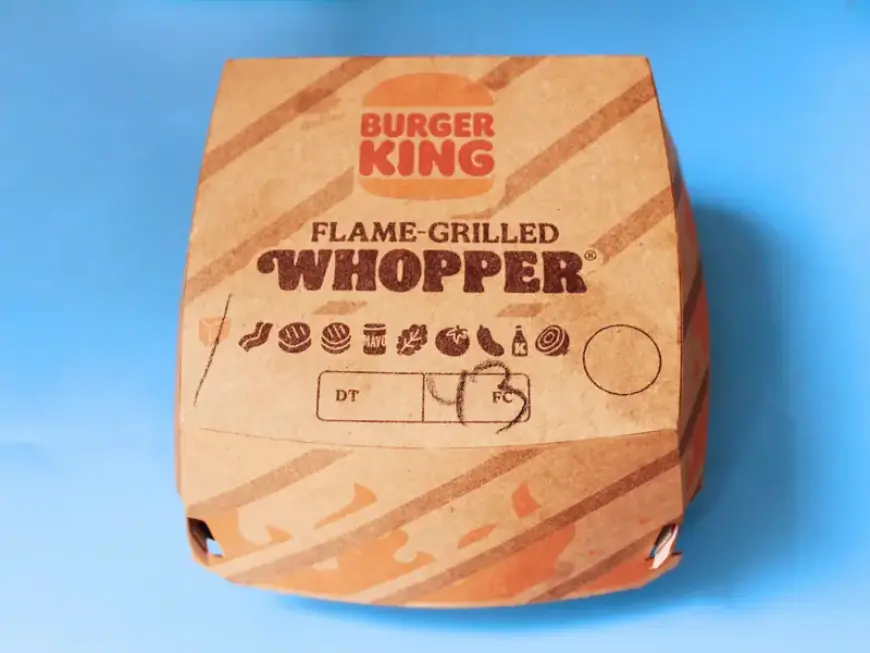
Of the Burger King Whopper changes, the box may be the most noticeable from the first purchase. Wrappers are cheap and fast, but they can compress a burger in transit and trap steam in a way that turns buns limp. A box improves structural integrity and can make the Whopper feel more “finished” when opened—especially for delivery orders where appearance often takes a hit.
This matters because modern fast food is increasingly eaten off-premises. Presentation now influences repeat purchases almost as much as taste. If a burger arrives intact and warm, customers are more likely to feel they got what they paid for—even before the first bite.
Better Bun, Better Bite: How Texture Drives Satisfaction
Burger King Whopper changes also target a frequent pain point: the bun-to-burger balance. When buns are too thin, too soft, or inconsistent, they can collapse under juicy tomatoes, mayo, and ketchup. A sturdier bun does two things at once: it stabilizes the burger and makes each bite feel more substantial.
Texture is a quiet driver of satisfaction. For many diners, a “better burger” isn’t only about seasoning—it’s about whether the build holds together through the last bite. The bun update is positioned to improve that experience without touching the flame-grilled identity that makes the Whopper distinct.
The Mayo Update: Small Ingredient, Big Flavor Impact
A mayonnaise tweak sounds minor, but sauces shape the overall perception of freshness and richness. Mayo sits at the center of the Whopper’s flavor system, blending with ketchup and the moisture from vegetables. If it’s flatter or inconsistent, the whole sandwich can taste muted.
With Burger King Whopper changes, the mayo is designed to be creamier and more flavorful. That can make the same toppings feel brighter and more cohesive, even if every other ingredient stays familiar. For returning customers, this is the kind of adjustment that can register as “better” without being immediately obvious why.
Price Pressure, Franchise Costs, and The Value Question
The Whopper refresh is not free. Operators face higher input costs tied to upgraded components and packaging, and the investment has sparked chatter about whether menu prices could rise over time. Burger King’s public posture has leaned toward holding the line—betting that improvements drive traffic and satisfaction rather than prompting sticker shock.
The timing is delicate. Many consumers in the US, UK, Canada, and Australia remain price-sensitive, and burger competition is intense. The safest lane is a product upgrade that feels premium while still reading as a value purchase. If the new Whopper experience reduces complaints and increases repeat visits, Burger King can justify the spend without immediately passing it along at the register.
US Rollout Now, With UK, Canada, and Australia Watching Closely
Burger King Whopper changes are centered on the US rollout first, where the brand is pushing the updated build broadly across locations. In the UK and Canada, menu standards often align closely with North American strategy, but timing can vary by supply chains and local operations. In Australia, the Whopper is famously sold under the Hungry Jack’s banner, and any matching changes would typically be communicated locally.
What to watch next is not whether the Whopper remains recognizable—it will—but whether the day-to-day experience becomes more consistent. If customers notice fewer messy deliveries, fewer collapsed buns, and a more satisfying bite, Burger King Whopper changes could become a template for how legacy fast-food icons modernize without losing their identity.