






















Bahrain test cancelled as Formula 1 closely monitors Middle East strikes

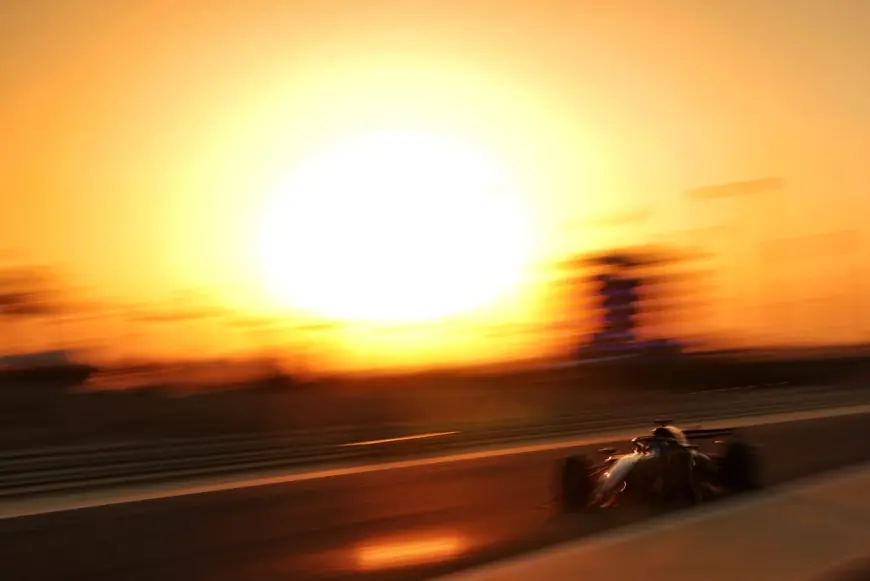
Formula 1 and teams are closely monitoring a wave of strikes in the Middle East after Iranian forces said they struck a U. S. base near the bahrain circuit, prompting Pirelli to cancel a planned two-day wet tyre test. The disruption comes as the championship prepares to open in Australia and then travel through Asia before returning to Gulf races in April.
Pirelli calls off wet-weather test at Bahrain International Circuit
Pirelli cancelled the two-day development test for wet compounds that had been scheduled at the Bahrain International Circuit for February 28 to March 1, citing safety and the evolving international situation. The planned test had included artificial wetting of the track.
all Pirelli personnel currently in Manama are safe in their hotels and that it is working to ensure their continued safety. Pirelli added it is arranging the return of staff as soon as possible, including efforts to return people to Italy and the UK.
IRGC missile and drone strikes targeted U. S. installations across Gulf host countries
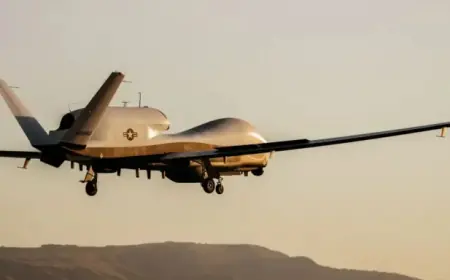
Iran’s Islamic Revolutionary Guard Corps launched a wave of retaliatory missile and drone strikes on Saturday against United States military bases in several Gulf countries that host Formula 1 races. The strikes hit U. S. installations and Gulf nations including Qatar, Saudi Arabia, Bahrain and the United Arab Emirates.
The IRGC vowed the strikes will continue "relentlessly until the enemy is decisively defeated, " and an armed forces spokesman warned that any base used to facilitate the U. S. -Israeli offensive is a legitimate target. One of the installations struck, U. S. Naval Forces Central Command, sits roughly 20 miles from the Bahrain circuit and about seven miles from the Bahrain International Airport.
Calendar and Gulf rounds remain on the map but are under scrutiny
The Bahrain Grand Prix is scheduled for April 10-12, with the Saudi Arabian Grand Prix scheduled one week later on April 17-19. Ahead of those back-to-back Gulf rounds, the F1 season opens in Melbourne from March 6 to 8, followed by China from March 13 to 15 and Japan from March 27 to 29.
An F1 spokesperson acknowledged the situation and noted the championship remains in East Asia before returning to the Gulf. "Our next three races are in Australia, China and Japan, not in the Middle East — those races are not for a number of weeks, " the statement said. "As always, we closely monitor any situation like this and work closely with relevant authorities. " A spokesperson for the Bahrain International Circuit said the organisers are in close contact with F1.
Teams, staff and travel logistics hit as airspace and layovers are affected
The cancelled test had been due to involve Mercedes and McLaren alongside Pirelli; teams and personnel associated with the session are among those affected. The disruption is also complicating travel plans for the season-opening Australian Grand Prix, because the Middle East is often used as a layover hub for journeys from the UK to Australia.
Airspace closures in transit hubs are already affecting movement: many people travel through Abu Dhabi and Qatar en route to Australia, and those routes are currently closed. Observers in the paddock described two immediate reactions: a human one — concern for Pirelli, Mercedes and McLaren personnel and anyone associated with the tyre test — and a logistical one, focused on rerouting and planning around problem areas.
Recent regional incidents and recent testing in Bahrain add urgency
Bahrain had just hosted two weeks of F1 testing, and personnel who had been in the country stayed in the Juffair area that has been subject to an attack. The proximity of strikes to populated or circuit-adjacent areas intensifies concern; in 2022, the Saudi Arabian Grand Prix was thrown into doubt mid-weekend after a Houthi missile struck an oil facility visible from the circuit, prompting drivers to hold emergency discussions before ultimately agreeing to race.
Organisers, teams and tyre suppliers have said they are assessing the situation and taking steps to protect personnel and operations. The cancellation of the Bahrain wet test, the confirmation that Pirelli staff in Manama are safe, the strikes on regional U. S. installations and the effect on travel all form part of the developing picture that F1 and its partners say they are closely monitoring.