























Johannesburger council upheaval: Loyiso Masuku sworn in as deputy mayor unopposed while Morero weathers failed no-confidence bid

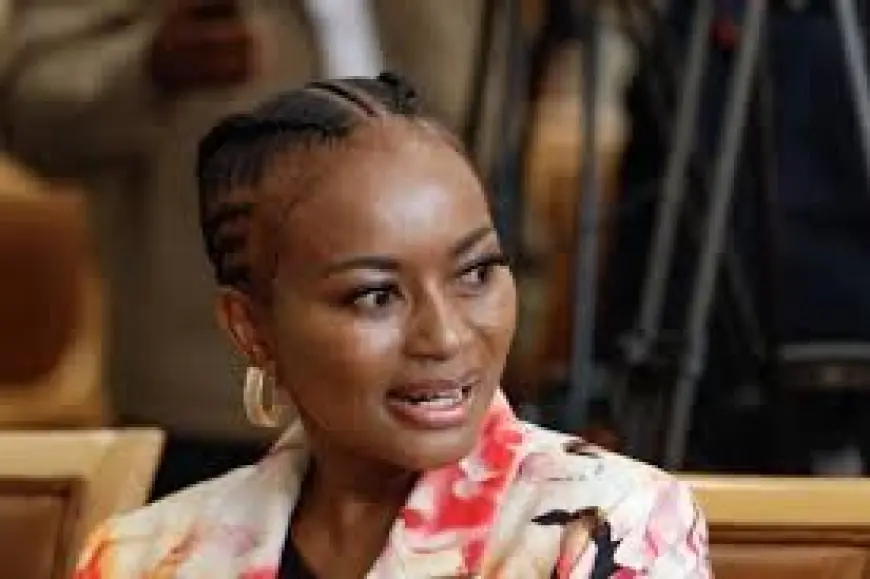
The latest johannesburger political developments saw Loyiso Masuku sworn in as deputy mayor after being elected unopposed, while Mayor Dada Morero survived a stalled vote of no confidence. The events crystallize mounting coalition tensions and public frustration over service delivery — especially the worsening water crisis — that are shaping the metro's immediate future.
Masuku sworn in as deputy mayor and pledges stronger service delivery
Loyiso Masuku, the city’s finance MMC, was sworn in on Thursday after being elected unopposed to the deputy mayor post. Masuku vowed to strengthen service delivery and improve oversight across municipal departments. His swearing-in was described as marking a new political phase for the metro.
Masuku was also recently elected as the ANC’s Greater Johannesburg regional chairperson and could potentially be the party’s mayoral candidate in this year’s local government elections. Some coalition partners expressed concern that the ANC should not hold both the mayoral and deputy mayoral positions within the metro government.
Failed no-confidence motions leave Morero in office
Council convened to consider a no-confidence motion submitted by the Al Jama-ah party, but the bid to remove Mayor Dada Morero stalled when the proposer and the seconder did not present the motion at the meeting on Thursday. Council speaker Margaret Arnolds said that the failure to present the motion meant it fell off the agenda and was effectively cancelled.
This was not the first attempt: a motion in December was withdrawn by its proposer, Al Jama-ah member Kabelo Gwamanda, who said at the time it appeared the ANC was willing to ventilate challenges the minority bloc had with Morero’s leadership. Al Jama-ah later submitted a second motion citing similar complaints about alleged non-consultation with coalition partners, but that motion was postponed after aggrieved parties agreed to give coalition partners time to iron out their differences.
Complicating the process was a request by Al Jama-ah for the motion to be voted on by secret ballot. Margaret Arnolds said council rules were unclear on secret ballots and sought to consult with parliament and an external legal expert on the constitution, citing concern that proceeding while rules were unclear might lead to court challenges. Weeks later the motion was not presented and was therefore cancelled; the same meeting elected Loyiso Masuku as deputy mayor unopposed.
Johannesburger reactions and coalition concerns
Coalition partners and opposition parties have been increasingly vocal about Morero’s fitness to lead, with a vote of no confidence scheduled for Thursday seen as an expression of those doubts. Members of the Political Management Committee — including the Economic Freedom Fighters, Patriotic Alliance, African Independent Congress, African People’s Convention, United Democratic Movement and African Transformation Movement — have registered growing dissatisfaction.
For many johannesburger residents the council drama is a symptom of deeper governance problems: coalition members have privately said frustrations have reached a tipping point and that Morero is unable to coordinate effectively with partners or implement crucial resolutions.
Pressure points: water shortages, administrative delays and a withdrawn policing proposal
The motion against Morero has been framed amid mounting public anger over a worsening water crisis, administrative delays and what critics describe as a lack of decisive leadership. Residents across the city continue to grapple with intermittent water supply, with some suburbs going days without water. Broken pipelines, ageing infrastructure and slow maintenance have left communities frustrated and angry; many residents say the city administration has failed to act decisively.
In Alexandra and in parts of Soweto, residents report prolonged interruptions to water supply. One local said it feels like the mayor is absent when needed most and that the city requires faster action. Sindisiwe Nkosi, a Johannesburg resident, expressed exhaustion with repeated service failures and also referenced a past controversial proposal by the mayor to hire foreign nationals for the Johannesburg Metro Police Department.
That August 2024 proposal aimed to recruit foreign nationals into the Johannesburg Metro Police Department to bridge language barriers in immigrant-heavy areas such as Hillbrow, Berea and Yeoville. The plan faced immediate backlash from opposition parties, residents and even members of the ANC, who described the proposal as undesirable and inconsistent with party policy; critics also pointed to high unemployment among South African youth. Morero subsequently withdrew the proposal and issued an apology, confirming the city would not proceed with hiring non-citizens for the Johannesburg Metro Police Department.
Beyond the water crisis, Morero has faced criticism over budget shortfalls and administrative unclear in the provided context.
Next steps in a tense metro landscape
The immediate political picture remains unsettled: coalition partners had agreed to postpone earlier motions in the hope of resolving differences, while council processes involving party requests and legal consultations have delayed formal votes. Loyiso Masuku’s uncontested elevation to deputy mayor and his dual role as a regional party chair add another layer to coalition calculations ahead of the local government elections.
Details on future motions, internal coalition negotiations and any formal challenges are unclear in the provided context.