























Is Dubai Safe as Middle East Escalation Strands Thousands and Britain Limits Its Role

Is Dubai Safe has become a pressing travel question after Iranian strikes forced the closure of major regional airports, including Dubai and Doha, leaving thousands stranded. The development comes amid a wider diplomatic and military escalation that has Britain flying defensive patrols while stopping short of direct participation in the US-Israeli strikes on Iran.
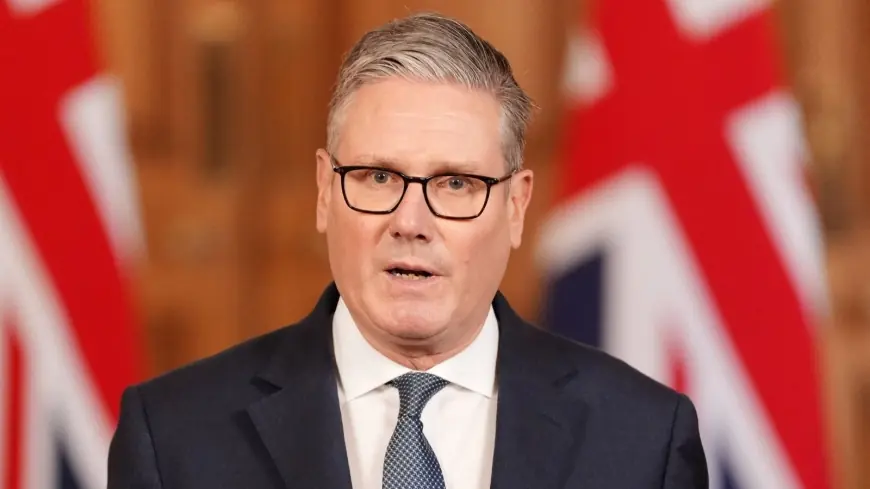
Trump phone call with Starmer and Britain’s public stance
The US President placed a brief, White House-instigated call to Prime Minister Sir Keir Starmer. Downing Street’s public account described the exchange in broad terms, saying the leaders discussed the situation in the Middle East. Britain, alongside France and Germany, has stated that it did not participate in nor endorse the strikes carried out by the US and Israel.
Is Dubai Safe — airports closed and thousands stranded
Iranian strikes have prompted airport closures across the region, explicitly including Dubai and Doha, leaving thousands of travellers stranded. There is clear concern about the many British nationals already in the Middle East and the larger numbers travelling through major hub airports. The Foreign Office has set up a "Register Your Presence" system for Britons in many Middle Eastern countries to maintain contact and offer consular assistance.
RAF defensive missions and deployed assets
The prime minister has said RAF fighter jets are "in the sky today" conducting defensive operations to protect allies from retaliatory strikes. Aircraft have been operating from Qatar and Cyprus with a stated role of intercepting incoming drones and missiles. Last month, RAF Typhoons were deployed to Qatar to protect al-Udeid airbase and other allied facilities. An extra six F-35s plus additional air-defence, radar and counter-drone systems were moved to RAF Akrotiri in Cyprus, where they could be used to defend Israel, Jordan or other countries in the region.
Military, political and legal tightrope at home
Sir Keir has been careful to stress that British defensive activity is conducted within international law and that the UK was not involved in the initial US-Israeli strikes. Domestically, reaction is split: Conservatives and Reform UK accuse the prime minister of sitting on the fence and failing to offer sufficient support to America, for example by denying use of British bases to US forces. The Liberal Democrats and the Scottish National Party have registered scepticism about the strikes.
The prime minister’s cautious posture reflects pressure from the left to condemn the US and Israeli actions as illegal and unjustified, while the right seeks clearer backing for the United States. Military intervention in the Middle East remains a sensitive issue for a Labour party still marked by the legacy of the Iraq war.
Regional escalation, bases and civilian safety
Iran launched immediate counterattacks that included strikes on Israel and Jordan and on US bases in Bahrain, Qatar, the United Arab Emirates and Kuwait. British forces are present at some of those bases in small numbers. Details of exactly which facilities were being defended were described as scant, and there was no public specification of which countries and bases UK assets were covering.
British nationals in Bahrain, Kuwait, Qatar and the United Arab Emirates have been advised to shelter in place after reports of Iranian missile attacks. The Foreign Office has advised against all travel to Israel and Palestine. The government has said its immediate priority is the safety of UK nationals and that consular assistance is available 24/7.
Strategic risks, economic worries and wider fallout
Officials and commentators have flagged the danger of blockages to the 24 mile wide Strait of Hormuz, a vital artery for global trade and oil shipments that sits below Iran. That disruption raises questions about potential effects on inflation, interest rates and the cost of fuel. The UK has recently boosted regional defensive capabilities and says it stands ready to protect its interests while seeking to avoid a wider escalation.
Related developments and casualties
Coverage of the unfolding campaign has included reports of three US service members killed in an operation in Iran and accounts that rescuers said nine people died in an Iran strike. There are references to months of planning behind the US-Israeli mission aimed at Iran’s supreme leader and to nine dead in a missile attack on Israel as Iran strikes the region. These developments sit alongside other items in recent coverage ranging from diplomatic moves to unrelated domestic issues described as part of the broader turbulent start to 2026.
Earlier in the weekend the prime minister chaired a meeting of the government’s emergency Cobra committee. He has rejected requests to allow US use of RAF bases in locations including Diego Garcia and Fairford earlier this month. In a joint statement with the French and German leaders, he reiterated that Britain did not participate in the strikes while noting ongoing contact with the US, Israel and regional allies. The government has reiterated that it does not want to see further escalation into a wider regional conflict.
Note: details remain fluid and some operational specifics were described as unclear in the provided context.