

























Rebecca Kutler Wants To Spin MS NOW Into The Post-Cable Future, Msnbc Front and Center

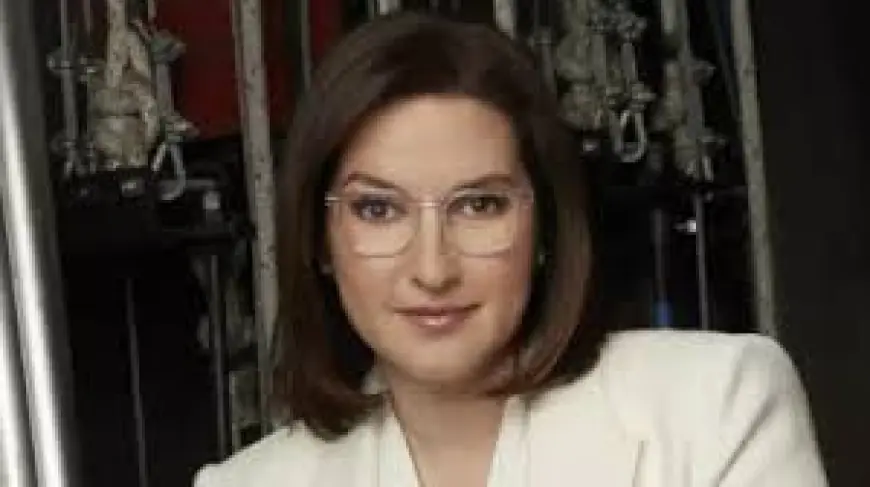
Rebecca Kutler wants to spin MS NOW into a post-cable future, and the development puts msnbc squarely in the conversation about how political programming adapts to new distribution models. The change matters now because it coincides with public pressure from reluctant MAGA factions demanding swift results from Trump on Iran, a political dynamic that could affect editorial and platform choices.
Rebecca Kutler’s Plan for MS NOW
Rebecca Kutler is seeking to reposition MS NOW with the explicit aim of taking it into what the reporting frames as the “post-cable future. ” That stated intent is the central action: Kutler wants to re-spin the program away from its current orientation. Specifics about the timeline for that shift, the steps Kutler will take, and the targets for audience reach are unclear in the provided context.
MS NOW and the Post-Cable Future
The phrase post-cable future signals an intent to move beyond traditional cable distribution toward different formats or platforms, though those platforms are not identified in the available material. The cause is Kutler’s strategic decision to change MS NOW’s trajectory; the effect will be changes in how the program is packaged and delivered. What makes this notable is the combination of a named programming leader pushing a clear strategic pivot at the same time that political actors are raising urgent demands—an alignment that can accelerate decisions about programming and platform investment.
Msnbc’s Role and Strategic Questions
The name Msnbc appears in the surrounding conversation as the likely institutional context for MS NOW, and msnbc will face questions about distribution, branding, and audience targeting as a result of Kutler’s initiative. Those questions include whether existing carriage and streaming arrangements will be altered, how advertising and subscription models might shift, and what performance metrics will be applied to judge success. All of those items are unclear in the provided context; no concrete rollout dates, budget figures, or measurement targets are included.
Reluctant MAGA Demands Swift Results from Trump on Iran
Separately, reluctant MAGA voices are pressing for swift results from Trump with respect to Iran. That pressure is described as a demand for speed—swift results—but the precise policy steps they expect, the deadlines they have in mind, and the mechanisms for enforcement are unclear in the provided context. The cause is political impatience among that faction; the effect may be heightened attention to how news programming covers Iran-related developments and how quickly media platforms adapt narratives to reflect emerging political priorities.
Uncertainties, Next Steps and Institutional Choices
Key details remain unspecified: exact timelines for spinning MS NOW into a post-cable structure are not provided; the operational plan Kutler will use is not set out; and the ways in which pressure from reluctant MAGA demands will intersect with programming decisions are not spelled out. What is concrete in the available information is the combination of three named elements—Rebecca Kutler, MS NOW, and the demand from reluctant MAGA for swift results from Trump on Iran—which together frame a moment of editorial and strategic decision-making. The immediate institutional actions that follow will determine whether the stated ambition translates into measurable changes in distribution, content, or audience metrics, but those actions are unclear in the provided context.
Given the gaps, observers will be watching for announcements on rollout schedules, distribution agreements, and any editorial guidelines tying coverage to the evolving political pressure around Iran. Those specific next steps are not detailed in the material at hand.