

























Nancy Pelosi Called Out as Trump Pushes Ban on Congressional Stock Trading — Who Will Feel It First

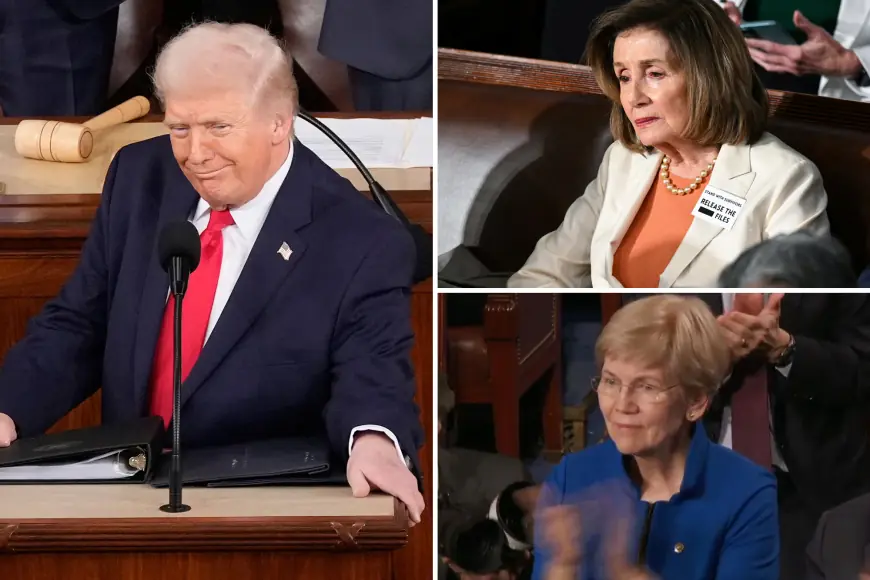
The spotlight landed squarely on Nancy Pelosi during a State of the Union address that pressed Congress to ban members from trading stocks. The immediate impact will fall on lawmakers and their close family members: the Stop Insider Trading Act targets members, their spouses and dependent children and would change how and when trades are disclosed. For those watching, the proposal narrows an old complaint into a potential structural change to congressional financial rules.
Nancy Pelosi and other lawmakers are the first to be affected if the Stop Insider Trading Act moves
Here’s the part that matters: the proposal being pushed would bar members of Congress, their spouses and dependent children from purchasing publicly traded stocks, and it would impose advance public notice requirements before sales. That combination would reshape who can directly hold and buy individual stocks inside the halls of power. The exact timing required for notices is unclear in the provided context; one description mentions advance notice while another specifies a seven-day notice before sales.
What happened during the address and the immediate scene in the chamber
During the speech, President Trump called for passage of the Stop Insider Trading Act without delay and singled out Nancy Pelosi by name, questioning whether she stood when the chamber applauded the idea. Members of both parties stood in response to the call for the ban, and Senator Elizabeth Warren rose to her feet in visible support. Pelosi was observed glancing at the president, sitting next to Representative Ro Khanna and taking notes.
Bill specifics and where it sits now
- The Stop Insider Trading Act was introduced by Representative Bryan Steil.
- Described provisions include bans on purchasing publicly traded stocks by lawmakers, spouses and dependent children.
- It would require public notice before sales; the provided context contains differing descriptions of the notice window, including a seven-day timeframe and a more general advance-notice requirement, making the precise timeline unclear in the provided context.
- The bill has cleared a House committee and is awaiting a full vote in the lower chamber.
- The measure is framed as going beyond the 2012 STOCK Act’s reporting rules.
Chamber reactions, interruptions and social-media pushes
Reactions in the House were mixed beyond the standing ovations: several Democrats interrupted the speech, and Representative Al Green was ejected from the chamber for the second year in a row after waving a sign reading "Black People Aren't Apes!" Representative Ilhan Omar and Representative Rashida Tlaib left early after repeated heckling. The scene also drew spur-of-the-moment commentary on social media, with several commentators mocking or applauding the president's callout of Pelosi.
Side issues that moved during the address
Alongside the stock-trading call, the president announced a retirement-savings proposal aimed at workers without employer matching: the plan would have the federal government match contributions up to $1, 000 a year. Pelosi’s family financial disclosures were referenced repeatedly in the broader debate over congressional trading; a market tracker lists her net worth at more than $269 million, making the retiring representative one of the wealthiest lawmakers.
What’s easy to miss is that this episode is both a policy pitch and a political targeting move; the two strands will likely drive how quickly lawmakers take up the committee-cleared bill.
The real question now is how the House will reconcile differing descriptions of the notice requirement and whether a full vote will reflect the tougher language proponents describe.
Timeline context: the president raised the trading-ban pitch during the State of the Union address; the bill was introduced by Representative Bryan Steil and has cleared a House committee but awaits a full House vote. A previous flashpoint between the president and Pelosi came in 2020 when she visibly tore up a speech, a moment invoked as part of their ongoing feud in the chamber this week.
For readers tracking impact: lawmakers, their spouses and dependent children are the primary groups who would face immediate changes in permitted stock activity if this legislation advances; traders in Washington and constituents interested in ethics reform will see the effects most quickly if the notice rules are tightened. Pelosi’s office was contacted for comment. Recent updates indicate some procedural details remain unsettled and may evolve as the bill moves toward a floor vote.