






















Eta Travel: UK’s new electronic permission sparks scramble for dual nationals

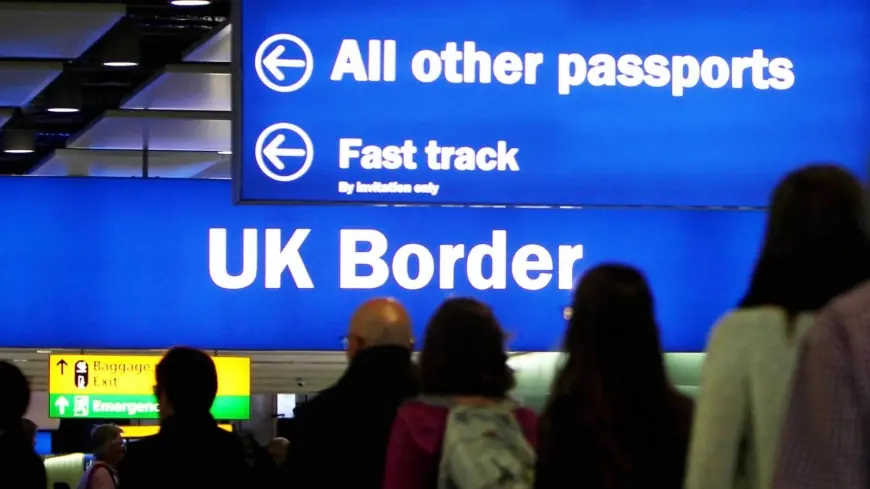
The government's new eta travel system becomes mandatory from 25 February, and airlines will begin refusing boarding to some travellers who lack the right documents — a change that has left dual nationals racing to secure British passports or a Certificate of Entitlement.
Eta Travel: who needs permission and what it allows
From 25 February the electronic travel authorisation (ETA) will apply to travellers from 85 countries, including the United States and Australia. The ETA is a digital permission to travel to the UK that, once approved, allows a visitor to stay for up to six months and is valid for two years or until the passport expires; it permits multiple journeys and covers visits for tourism, business or short-term study. The government launched the scheme in October 2023 but said it was not strictly enforced at first to give visitors time to adjust; in November the government said ETAs would be mandatory from 25 February. The Home Office says longer trips and visits for work or longer study will still require a visa, and people who usually need a visa will continue to need one and will not need an ETA.
How carriers and border checks will change at departure
Airlines, ferries and trains must now check before departure that passengers have the correct documentation. British and Irish citizens do not need an ETA or a visa to enter or transit through the UK, but carriers must be able to verify the traveller's right to live in the UK. To board a flight, dual nationals must present a valid British passport or a Certificate of Entitlement — which costs £589 — or risk being denied boarding. A spokesperson warned: "Without [a British passport or certificate of entitlement], carriers cannot verify they are a British citizen, which may lead to delays or refused boarding. " Travellers face being blocked from boarding flights, ferries or trains if they do not have one of these documents.
The costs and choices confronting dual nationals
Dual nationals who do not hold a British passport have two documented options: apply for a British passport, which the context states costs £94. 50, or secure a Certificate of Entitlement at £589. The Home Office says it has advised dual nationals to check they have the right documents since October 2024 and has been advertising the ETA changes since 2023. Some dual nationals have already been affected: Florence Garland, a dual British–French citizen, cancelled a trip to France next week after discovering her certificate of entitlement had a typo. Ms Garland became a British citizen in November but had to send the document back; the corrected certificate took two-and-a-half months to be re-issued, leaving her no time to apply for a British passport. She said she could no longer return to the UK from overseas on her French passport and added, "I feel really, really let down by this. " She also said she had no communication when she applied for British citizenship and no communication during the ceremony.
Practical steps and transit exceptions
The government recommends travellers apply a mobile app available on Google Play or the Apple App Store. Applicants must provide contact and passport details, a quality photo and answers to several questions. People transiting through UK airports who do not need to go through border security will not need an ETA. The government says ETAs will streamline the immigration system, speed it up and make it more secure. Getting an ETA currently costs £16, with a planned increase to £20 in the future.
The rule change takes effect from Wednesday, 25 February; travellers planning trips should secure either an ETA, a valid British passport or a Certificate of Entitlement before departure.