






















Applebees Closures: What the multi‑year overhaul will mean for neighborhoods and the chain’s dual‑brand pivot

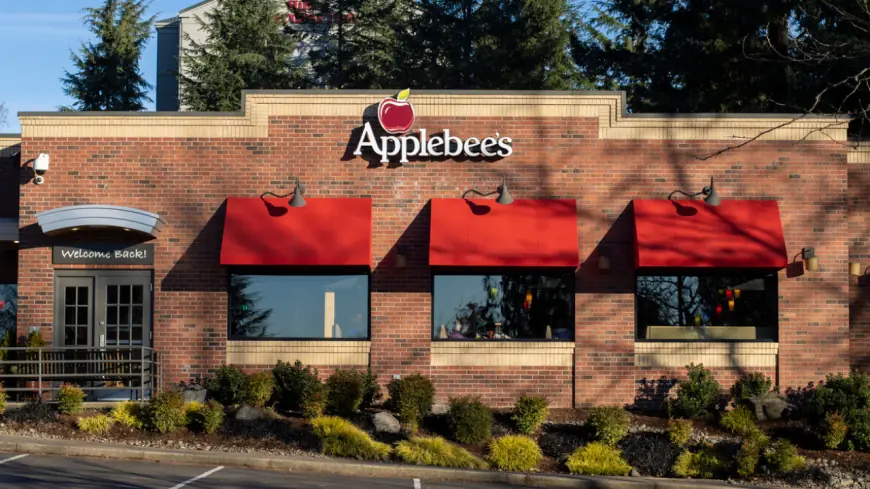
Applebees Closures are part of a multi‑year restructuring that will reshape where the brand operates and accelerate the roll‑out of dual Applebee’s/IHOP locations. Why this matters now: the company projected 20 to 35 closures in 2025 while planning an aggressive build of combined restaurants through the end of 2026, a mix that signals fewer standalone neighborhood sites and more shared‑kitchen footprints.
Applebees Closures and what changes next for the network
Here’s the part that matters: the restructuring pairs explicit reductions with a growth strategy. The plan closes underperforming restaurants while expanding dual‑branded concepts with IHOP under parent company Dine Brands Global. The company projects 20 to 35 closures in 2025 and intends to open 80 combined Applebee’s/IHOP restaurants by the end of 2026. The first combined location opened in Seguin, Texas, in February 2025, and more combined sites are planned.
Specific closures and local details
Multiple communities are already seeing locations shutter. Two long‑running sites in Evansville, Indiana—East Morgan Avenue and Pearl Drive—abruptly closed after nearly 30 years; crews removed signage and a note thanked customers for their loyalty. In Glenville, New York, the restaurant at 268 Saratoga Road will permanently close on April 12, 2026; economic challenges including rising food, utility and labor costs were cited as making the location unsustainable. Columbia, Missouri’s site at West Stadium Blvd/I‑70 Drive SW closed on February 18, 2026 after 30 years.
Other closures noted in the material include eight Kansas City‑area restaurants that shut down in late 2024 following a franchisee bankruptcy, affecting locations in Mission, Overland Park and Olathe. Additional permanent closures were listed in Appleton, Wisconsin (December 2024), Sarasota, Florida (May 2025), and Little Rock, Arkansas (December 2023).
Why leadership is combining cuts with dual‑brand expansion
The shift is presented as an efficiency and stability play. Combining Applebee’s and IHOP under one roof shares kitchens and staff to improve efficiency and revenue. Leadership frames the current moves as aimed at long‑term stability and growth while franchisees confront higher fuel, food and utility costs and changing consumer habits. Closures are described as stemming from rising operating costs and lower profitability at certain sites.
Scale, goals and a quick timeline
- Current footprint: around 1, 500 locations across the U. S., two territories and 15 countries.
- 2025 projection: 20 to 35 closures as part of the restructuring plan.
- Growth target: 80 dual‑branded Applebee’s/IHOP restaurants by end of 2026; first combined site opened in Seguin, Texas, in February 2025.
It’s easy to overlook, but the Seguin opening in February 2025 is concrete evidence the combined concept has moved from pilot to rollout.
Quick Q&A
- Q: How many restaurants are closing? A: The company projected 20 to 35 closures in 2025 as part of the multi‑year restructuring plan.
- Q: What is the dual‑brand approach? A: The strategy combines Applebee’s and IHOP under one roof, sharing kitchens and staff to seek greater efficiency and revenue.
- Q: Who is feeling the impact? A: Communities losing longstanding neighborhood restaurants are directly affected; franchisees are dealing with higher fuel, food and utility costs and shifting consumer habits.
The real question now is how quickly the closures and combined openings will change local dining maps and whether projected 2025 numbers hold as the plan advances. An unrelated item in the provided context carried the title "Verifying Device"; its content is unclear in the provided context. A named copy editor, Naman, is noted as having over three years of experience in the truncated material.
What’s easy to miss is the combination of contraction and expansion happening at once: steady declines in standalone profitability at certain sites are being offset by a concentrated push into shared‑footprint locations.
For readers in affected towns: expect neighborhood patterns to shift where closures are listed, and note that new combined restaurants are slated to appear through the end of 2026. Timeline and plans are subject to change as the restructuring continues.