























Energy bills, energy price cap, Ofgem: why a spring fall is coming

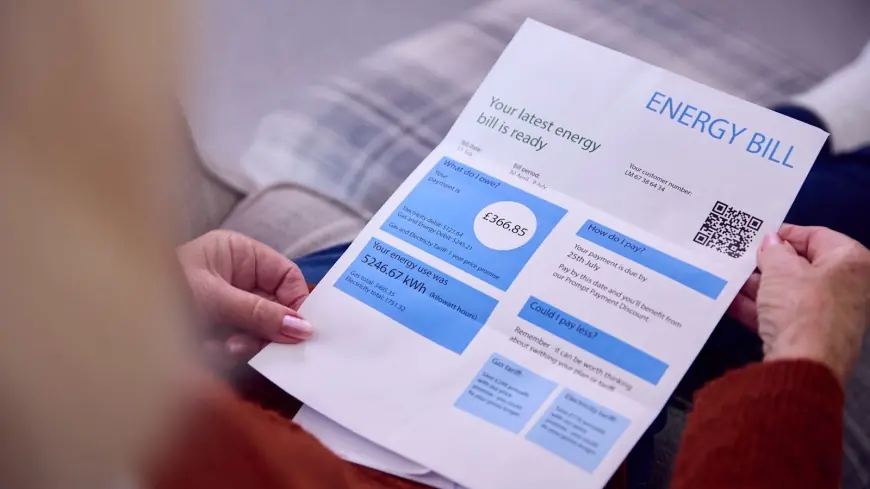
UK energy bills are set for a noticeable fall this spring after Ofgem confirmed a lower energy price cap for the next quarter. The change takes effect Tuesday, April 1, 2026 (ET), and will apply through Monday, June 30, 2026 (ET), cutting costs for many households on standard variable tariffs.
Energy price cap: what’s changing from April and why it matters
Ofgem’s new energy price cap sets the annualized cost for a “typical” dual-fuel household paying by Direct Debit at £1,641, down £117 (7%) from the prior cap period. That drop is the clearest headline for families watching energy bills, but the practical impact depends on how much energy you use, your meter type, where you live, and how you pay.
The energy price cap is not a maximum total bill. It limits what suppliers can charge per unit of energy and for the daily standing charge on standard variable tariffs. If your home uses more than “typical” levels, your energy bills can still be higher than the annualized figure.
Ofgem: the key numbers behind the fall
The spring fall is driven by several moving parts inside the cap calculation, including lower policy-cost allowances and changes to standing charges and unit rates.
Here are the headline rates for standard variable tariff customers paying by Direct Debit (rates include VAT):
| Item | 1 Jan–31 Mar 2026 | 1 Apr–30 Jun 2026 | What it means for energy bills |
|---|---|---|---|
| Typical annualized energy price cap (dual fuel, Direct Debit) | £1,758 | £1,641 | A fall of £117 across the cap period |
| Electricity unit rate | 27.69p per kWh | 24.67p per kWh | Lower per-unit cost when you use power |
| Electricity standing charge | 54.75p per day | 57.21p per day | A higher fixed daily cost for electricity |
| Gas unit rate | 5.93p per kWh | 5.74p per kWh | Slightly cheaper gas per unit |
| Gas standing charge | 35.09p per day | 29.09p per day | A lower fixed daily cost for gas |
The mixed movement in standing charges is why some low-usage households may feel the fall less than expected, while higher-usage homes should see a clearer benefit from lower unit rates.
Energy bills: who feels the spring fall most
The biggest winners from a cap-driven fall are households that:
-
are on standard variable tariffs (often the default tariff if you haven’t chosen a fixed deal),
-
pay by Direct Debit,
-
use enough energy that lower unit rates outweigh changes in standing charges.
If you heat with gas and use a typical or higher volume of gas, the lower gas standing charge plus slightly lower gas unit rate can help. If your household uses relatively little electricity, the higher electricity standing charge can offset part of the benefit from the lower electricity unit rate.
Payment method still matters. Different cap levels apply for prepayment meters and for people who pay on receipt of a bill, reflecting differences in supplier costs. Those customers should check the specific cap rates and standing charges that match their payment type.
Ofgem and policy costs: what’s driving this energy price cap fall
This fall is not solely about wholesale energy prices. A major factor is a sharp reduction in policy-cost allowances built into the cap, linked to how certain schemes are funded from April 2026. In simple terms, a smaller portion of these policy costs is being recovered through energy bills over this cap period, which lowers the capped rates.
That said, lower costs inside the cap do not eliminate the underlying expense of system upgrades and policy commitments. Some costs can shift between bills and other funding routes, so the pressure can show up elsewhere in public finances or future price periods.
Energy price cap: what to do next if you want lower energy bills
With a confirmed fall, households have three practical next steps:
First, compare your current tariff to the new capped unit rates and standing charges once April begins. If you’re already on a competitive fixed deal, switching “back to cap” may not help.
Second, focus on usage, not just headlines. The cap is built on typical consumption; your real energy bills track your kWh.
Third, if you’re struggling, contact your supplier early to discuss affordable repayment plans and available support options. A cap fall helps, but it doesn’t erase arrears built up over winter.
The next scheduled review that could change the energy price cap comes for the July 2026 quarter, so the spring fall is meaningful — but not the final word on where energy bills go next.