




















Malik Willis: Tag Talk in Green Bay Collides with Cardinals' Pros and Cons Debate

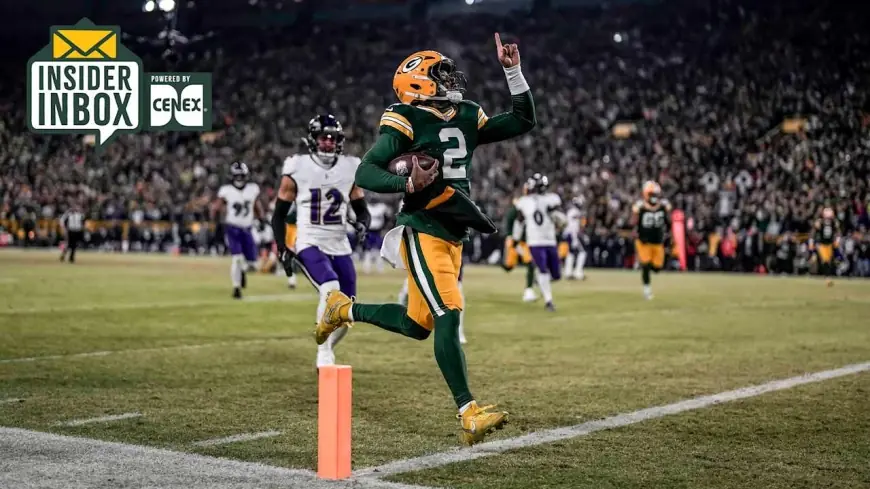
Malik Willis sits at the center of an offseason tug-of-war: an inbox argument urges the Packers to franchise-tag him, while evaluations in Arizona list clear pros and cons for a potential pairing. The conversation matters because each path — tagging, trading or free agency — carries concrete roster and cap implications that could shape multiple teams' offseasons.
Malik Willis and the Packers' tag dilemma
One voice in Green Bay's fan inbox urges the team to consider the franchise tag for Malik Willis, arguing he could fetch a second-round or early third-round trade return. The counterargument is logistical: tagging Willis would create a premium cap charge that the team would need to absorb before the new league year, potentially forcing other roster and free-agent decisions.
The inbox perspective also notes that keeping Willis could restrict the team's activity during the initial wave of free agency and that an eventual move could yield a compensatory pick — likely in the third- or fourth-round range next offseason — rather than the more immediate draft capital a trade might bring. Supporters of Willis' retention stress reward and recognition for his play over the past two seasons, summarized bluntly: he deserves everything coming to him.
Balancing those points is the franchise quarterback reality in Green Bay. With a proven franchise starter already established, the presence of a developing prospect like Willis introduces a strategic decision: prioritize short-term roster flexibility and cap space, or hold and potentially reward a player who has shown starting potential in limited action.
Do the pros outweigh the cons in a potential Cardinals-Malik Willis pairing?
The Cardinals conversation frames Willis as an intriguing free-agent target, with a few structural advantages on his side. Familiarity is cited as a major positive: Willis operated under coaches who have close ties to the Cardinals' current staff during his time in Green Bay, and he worked with a coach who now holds a coordinating role in Arizona. There is also a front-office link: a general manager in Arizona previously served in a personnel role that was involved in drafting Willis in the third round.
On the field, Willis' recent performance in Green Bay is central to the argument for Arizona interest. Across 11 games (three starts) from 2024-25, he completed 78. 7% of his throws for 972 yards and six touchdowns with zero interceptions. He added 261 rushing yards and three scores on 42 carries. Those figures stand in contrast to his earlier tenure with Tennessee, where in 11 games (three starts) he threw for 350 yards with three interceptions and completed 53% of his passes.
That late-season finish in Green Bay is cited as a primary reason why Willis is a top-ranked free agent prospect this cycle. Still, the evaluation in Arizona frames the move as a debate: the familiarity and recent production are attractive, but questions remain about fit, sustainability, and the broader roster context.
What the choices mean and what to watch next
- Tagging Willis would bring immediate cap consequences for the team that uses it and could limit early free-agent maneuvers.
- Trading him could produce higher draft capital now, but requires an established partner and matching roster priorities.
- Letting him hit free agency opens the door to teams that value his familiarity with specific coaches and front-office ties.
Decisions in the coming weeks will hinge on how teams weigh short-term costs against potential long-term value. Recent coverage has elevated the debate, but key details and final outcomes remain in flux. Recent updates indicate the situation is active and may evolve as front offices finalize roster and cap plans.
For now, Malik Willis represents both a clear on-field upswing in recent play and a roster-management puzzle: reward the emerging talent, monetize him, or allow him to test the market where familiarity and past connections could shape his next landing spot.