

























2 Hour Delay Notice Faces Access Problems as News Site Flags Unsupported Browser

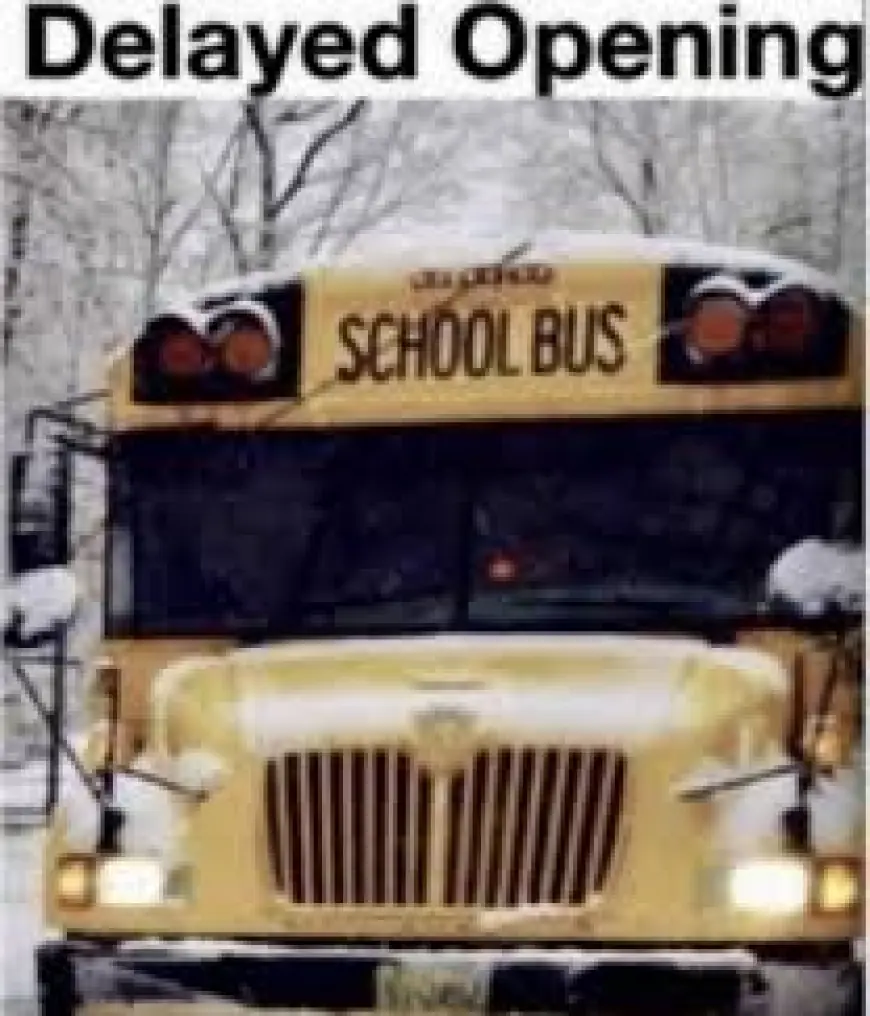
Madison School District will have a 2 Hour Delay on Wednesday, Feb. 25, 2026, and that announcement was posted alongside broader N. J. school closing and delayed-opening information. The timing matters because the news website carrying those notices displayed a browser-incompatibility message, prompting readers to download a supported browser to ensure they can view time-sensitive updates like the 2 Hour Delay.
Development details — 2 Hour Delay notice
On the morning that districts across New Jersey posted closures and delayed starts for Wednesday, Feb. 25, 2026, a prominent site message informed visitors that their browser was not supported. The message explained the site had been built to take advantage of the latest technology and said that updating to a supported browser would provide a faster and easier experience. It directed users to download one of these browsers to view content properly.
Among the items published that morning was the Madison School District's decision to implement a 2 Hour Delay. Multiple notices across the state outlined school closings and delayed openings tied to inclement weather, and some districts specifically chose delayed starts rather than full closures. The incompatibility prompt on the site is an official-facing action by the platform to restrict certain older browsers from accessing the upgraded pages until the user upgrades.
Context and escalation
The site-wide change reflects an intentional shift toward newer web standards: developers rebuilt the site to leverage more recent technology in pursuit of speed and ease of use. That technical transition produced a visible consequence for readers whose browsers did not meet the updated requirements, triggering a direct message that blocked normal access until a supported browser was installed.
What makes this notable is the timing of the technical barrier. The browser notice appeared at a moment when districts were sharing urgent, day-of decisions about school operations—decisions that hinge on weather conditions and can change rapidly. The incompatibility message therefore risks interrupting the normal flow of critical information to families and staff who rely on the site for announcements about delays, closures and altered schedules.
Immediate impact
Families, staff and community members seeking information on Wednesday, Feb. 25, 2026, encountered an interruption that removed direct access to published school-operations notices unless they updated their browser. The immediate consequence was a friction point for end users: instead of reading a headline or scrolling to a district post, some visitors were presented with instructions to obtain a supported browser before continuing.
Practically, the effect was twofold. First, time-sensitive notices such as the Madison School District's 2 Hour Delay could be delayed in reaching individuals who did not or could not update their browser immediately. Second, the guidance to download a supported browser constituted an official action by the site to limit access until compatibility was resolved, potentially driving some users to seek alternate channels for confirmation of school schedules.
Forward outlook
In the hours and days following the incompatibility message, readers are being asked to install an updated browser to restore full access to the site. The technical change is a platform-level decision intended to make the site faster and easier to use once users are on supported software, and the only confirmed remedy presented to visitors is to switch to a compatible browser.
Confirmed milestones in the near term are limited to users' own actions: updating or changing browsers to regain access to posted information. For districts that posted delayed openings on Wednesday, Feb. 25, 2026, continued reliance on the website for updates will depend on whether households complete that browser update. The broader implication is that platform-level upgrades can create immediate barriers to distribution of essential local notices when they coincide with weather-driven schedule changes.