




Matthew Lillard Says Tarantino Diss 'Sucked' and Felt Like He'd 'Died' Before Warm Industry Support

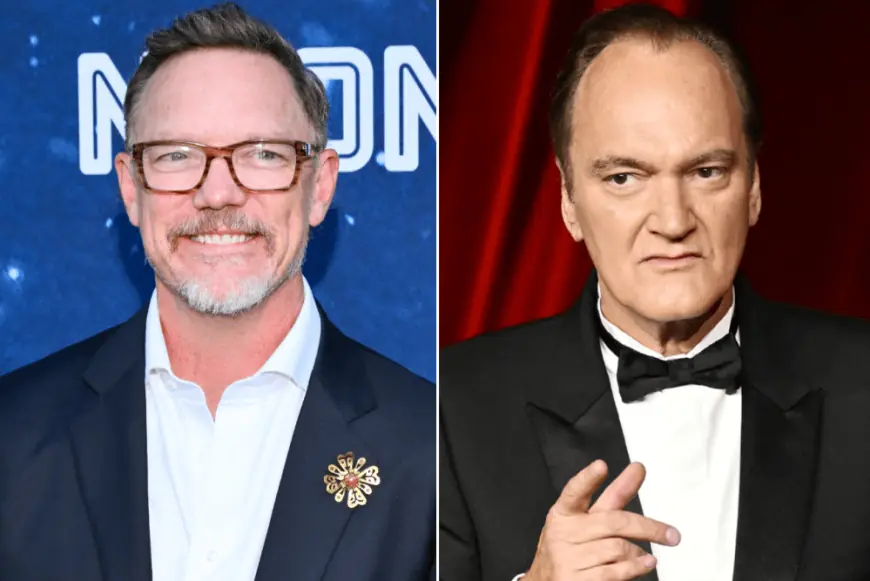
matthew lillard is opening up about the emotional fallout after Quentin Tarantino publicly dissed him, calling the episode painful but also unexpectedly consoling because of the reaction it provoked. The actor revisited the moment the director said he didn’t "care for" him and two other performers, and described how the aftermath felt like a peculiar mix of grief and affirmation.
Matthew Lillard on the Tarantino diss and his reaction
The actor said Tarantino’s remarks stung because he admires the director’s work. He described the blow as feeling like being punched in the mouth and framed the public response as both surreal and humbling. Lillard said the initial remarks were followed by a viral ripple: his own comments were caught on a hot mic and circulated widely, and the ensuing volley of supportive messages from fans and colleagues created a strange, wake-like experience.
Lillard recalled feeling as if he had died and was watching people send out "RIP" messages about him, calling the moment akin to being part of his own wake. That mixture of embarrassment, hurt and validation left a lasting impression: the criticism hurt, but the subsequent outpouring of kindness felt "really, really lovely. "
How public support helped matthew lillard
Following the director's comments, Lillard noted widespread public and industry encouragement that helped blunt the sting. He highlighted encounters ranging from well-known filmmakers offering praise to everyday fans who stopped him at a shopping mall while he was with his children. The scale and warmth of those responses gave him reassurance about his career and his place with audiences and collaborators.
The actor said he initially brushed off the attack in a convention appearance, but admitted that it hurt his feelings. He contrasted the treatment he received with how he imagines other top-line actors might be addressed, emphasizing that even when criticism is public, the emotional effect is real.
Context of the comments and what Lillard emphasized
The director's remarks were part of a larger critique that also named two other performers. Lillard emphasized that the situation was small in the larger scheme of things yet personally impactful because of his admiration for the filmmaker. He framed his public responses as candid — acknowledging the hurt while also appreciating the kindness that followed.
Beyond the immediate emotional response, Lillard said the episode offered a glimpse into the way the industry and the public respond when a performer is doubted or criticized. For him, the episode became less about the initial slight and more about the generous affirmations that surfaced afterward: praise from peers, supportive messages from fans, and moments that reminded him that many people value his work.
Details surrounding the original critique, the viral exchange, and the names involved have been discussed widely in public forums. Lillard’s account stands as a first-person reflection on both the sting of negative professional commentary and the compensatory power of collective support. He described the experience as a mix of hurt and gratitude and something that ultimately left him feeling seen by colleagues and audiences alike.
Recent updates indicate this remains a notable moment in the actor's public narrative; the emotional impact and the broad reaction are the elements Lillard continues to highlight.