






















Medal Of Honor on the State floor: How honoring 100-year-old E. Royce Williams during the State of the Union rewrites precedent

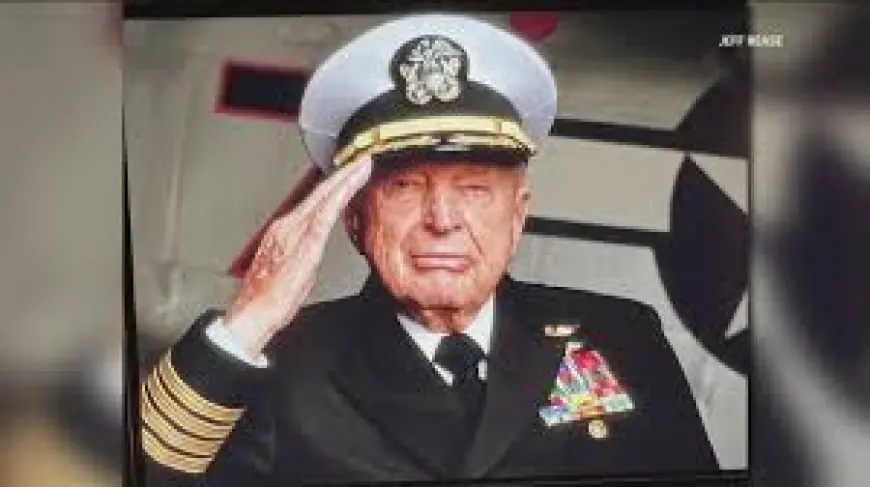
By awarding the medal of honor to E. Royce Williams during the State of the Union, President Trump shifted a private act of recognition into a public, ceremonial moment — and in doing so changed expectations about where the medal of honor can be presented. The 100-year-old veteran’s decades-old, once-classified Korean War mission now sits at the center of a nationally televised address, with immediate effects on precedent, legislative waivers and political timing.
Medal Of Honor presentation: immediate consequences
This is the first time a president has presented the Medal Of Honor during a State of the Union address, a break with past practice that turns a military decoration into a showpiece of presidential ceremony. The change was enabled by lawmakers last year who authorized the president to bestow the decoration while waiving the longstanding five-year time limit on awards tied to acts of valor. That waiver and the decision to present the medal in the State of the Union together raise questions about future scheduling of high-profile recognitions and how lawmakers and administrations may use them.
The bigger signal here is that an exceptional personal story — a secret mission from the Korean War — can now be repurposed into a national political moment in real time. The real question now is how often similar waivers or timing choices will be used going forward.
How the presentation unfolded inside the address
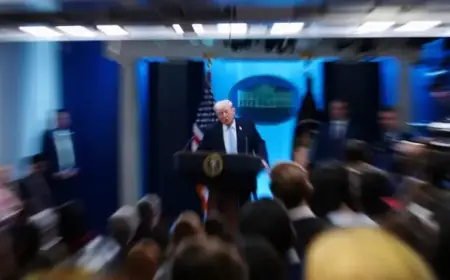
President Trump honored E. Royce Williams Tuesday night and the recipient, identified as a retired Navy captain, stood as first lady Melania Trump placed the medal around his neck. The president had called Williams earlier this month. The plan to present the decoration had been disclosed earlier Tuesday, and the public presentation was recorded as taking place during the State of the Union. Updated information lists February 24, 2026 at 11: 30 PM ET as the latest update time for the account of the event.
The Korean War encounter that led to the award
Williams is best known for a 1952 aerial engagement that is described as the longest in U. S. Navy history: during a roughly half-hour dogfight he faced seven Soviet MiG-15 jets and is credited with striking one and later downing three more, for four in total. The confrontation occurred off the coast of the Korean Peninsula at the height of the Korean War. Soviet involvement in the clash was top secret at the time and records of the event were classified for decades; detailed descriptions have only been published in recent years by military authorities, which characterized it as one of the war’s most intense aerial engagements.
During the fight Williams’s aircraft sustained damage; he guided the damaged plane to a landing aboard an American aircraft carrier at high speed and said he had considered ejecting but judged the frigid conditions over the water too perilous. He has said he was instructed to keep the clash secret and for decades spoke of it to no one, not even his wife. Three years ago he received the Navy Cross, described in the account as the highest combat award available to members of the Navy and Marine Corps for valor.
Policy push and local political advocacy
Republican Representative Darell Issa of California, whose San Diego-area district includes Williams’s home, pressed for the retired pilot to receive the medal. Issa wrote earlier this month that the heroism and valor Williams demonstrated during more than 35 harrowing minutes nearly 70 years ago in skies over the North Pacific and the coast of North Korea unquestionably saved lives of fellow pilots, shipmates and crew. Last year’s legislative action waiving the five-year rule cleared the path for this award.
- 1952: The half-hour dogfight with seven MiG-15s took place during the Korean War.
- Years later: Soviet-era records remained classified until archival releases after the collapse of the Soviet Union made details public.
- Three years ago: Williams received the Navy Cross.
- Last year: Lawmakers waived the five-year requirement for awarding the Medal Of Honor.
- February 24, 2026: Williams, now 100 years old, was presented the medal during the State of the Union (updated 11: 30 PM ET).
What’s easy to miss is how many separate steps — classification, archival release, congressional action and an executive decision on timing — had to align to make this moment possible.
If you’re wondering why this keeps coming up: the combination of an aging veteran, a rare retroactive waiver and a presidential stage is what made this a distinctive departure from past practice. The article’s account also notes that the timing of the presentation is described as notable because the president is set to award the Medal Of Honor to a — unclear in the provided context.
The presentation brought long-hidden wartime actions into public view while testing the boundaries of ceremonial precedent; details may evolve as more official documentation and commentary are released.