























Medal Count Olympics 2026: Late golds tighten standings as closing ceremony arrives

The finish line of these Games matters for more than souvenirs: the final events and a single hockey goal could nudge national tallies and historic records. The medal count olympics 2026 picture is still shifting on Day 16 — a defended halfpipe title, Sweden’s long-distance win, a German podium sweep in bobsled, and a tense U. S. –Canada hockey gold game all feed into the final ranking drama.
Medal Count Olympics 2026 — who gains momentum and why it matters
Here’s the part that matters: a handful of late podiums can reframe how this Winter Games is remembered. Norway has extended national records for golds and total medals and sits atop the table; the United States has 11 golds and is positioned behind Norway but could add to its total if the men’s hockey team converts its current advantage into a win. Several European programs finished strongly — the Netherlands and Italy cleared double figures in golds, while Germany, France and Sweden each reached eight golds.
- Norway: record-breaking haul for both golds and total medals, maintaining clear leadership.
- United States: 11 golds so far; the men’s hockey final represents a chance to alter final placement.
- Hosts and European speed powers: Italy and the Netherlands posted double-digit gold totals.
- Germany, France, Sweden: consistent podium producers with eight golds apiece.
What’s easy to miss is how single-game results — notably a one-goal hockey margin — can translate into shifts across the standings and the narrative of which delegation “won” these Games.
Key events that are reshaping the closing tally
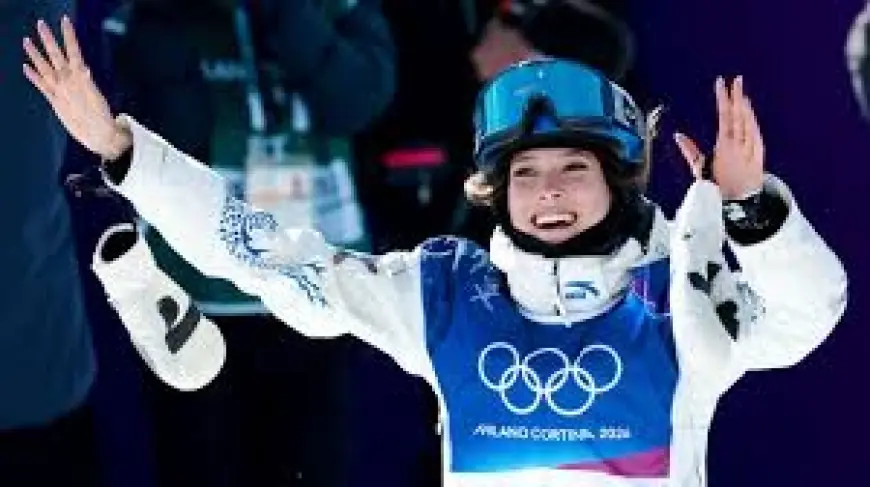
Eileen Gu defended the Olympic title in the women’s freeski halfpipe with a top score of 94. 75, a mark nobody else surpassed in the final. The silver was taken with a 93. 00 and the bronze at 92. 50; those podium points feed directly into the national totals. Gu’s halfpipe victory capped her Milan Cortina run with three medals at these Games and brings her career total to six Olympic medals.
On the final competition day, Sweden captured two golds: Ebba Andersson won the women’s cross-country 50km mass start and Sweden later secured the women’s curling title. Germany posted a one-two in the four-man bobsled, reinforcing its sliding-track strength. In men’s hockey, the United States opened the gold-medal game with an early goal from Matt Boldy — six minutes into the period — and held a 1-0 advantage at the close of the first frame; Auston Matthews was singled out for strong defensive play as the match continued.
If you’re wondering why this keeps coming up: late events often deliver the decisive points that define final medal rankings, and that dynamic is playing out now.
- Medal implications: the halfpipe gold added a high-value podium for Gu’s delegation and prevented a rival nation from gaining those points.
- Groups most affected: Nordic and sliding nations benefit from distance and bobsled medals; the U. S. hockey result will particularly impact North American standings.
- Signals to watch for confirmation: final hockey result and closing ceremony medal tally release will lock the final order.
Micro timeline: Day 16 has been decisive — the freeski halfpipe final produced a headline-winning score, cross-country and curling closed strong for Sweden, and the evening will conclude with the Games’ closing ceremony. The official tallies that follow the last hockey whistle will finalize the medal table narrative for these Winter Games.
The real question now is whether a single late win will be enough to shift perceived momentum between traditional winter-sport powers. Closing-day swings are rare but memorable, and this Games delivered several of them before the curtain falls.
The bigger signal here is how concentrated success in a few key disciplines — speedskating, skiing, sliding and hockey — determined which countries climbed the board in the final hours.