


















Olympic Hockey Overtime Rules Face Fresh Scrutiny After Tied Games

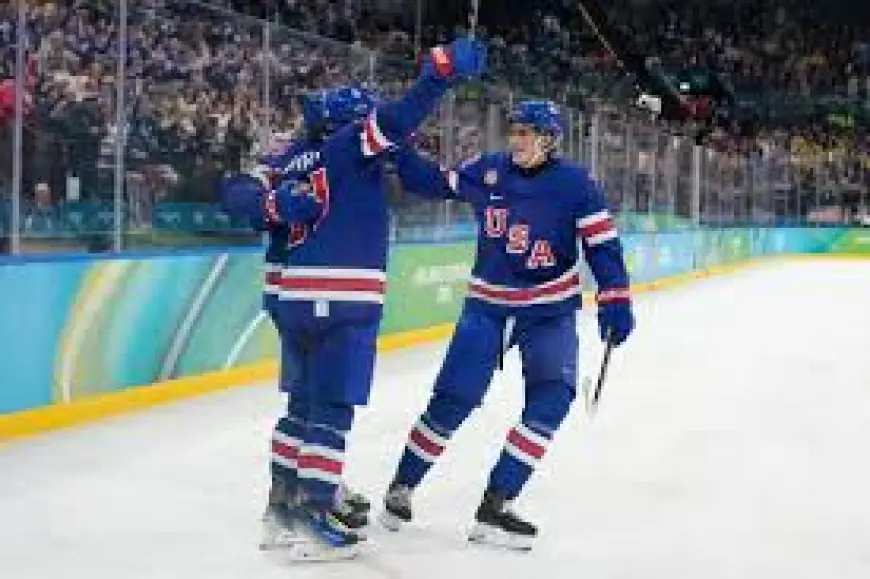
Over about 34 hours from early Wednesday morning to Thursday afternoon, several Olympic games reached overtime after dramatic late goals, and those finishes have renewed debate over Olympic Hockey Overtime Rules. The cluster of tied games — including three of four men’s quarterfinals and the women’s gold medal game — featured equalizers scored with less than 3: 30 remaining in the third period, highlighting both the tournament’s excitement and a growing unease with three-on-three overtime.
Olympic Hockey Overtime Rules Explained
The current tournament structure uses a mix of short three-on-three periods and shootouts at early stages, then longer three-on-three play in knockout rounds, and an open-ended three-on-three approach for the final. Group-stage and preliminary medal-round contests follow the same format as short NHL regular-season overtime: a 5-minute three-on-three period followed by a shootout if still tied. Quarterfinals and semifinals move to a 10-minute three-on-three period before a shootout. The men’s final is set up as recurring 20-minute periods of three-on-three until a winner emerges.
How three-on-three differs
Three-on-three overtime changes the game’s character by reducing physical play and sidelining certain player types who are staples of five-on-five hockey. The format was adapted for the NHL regular season after the 2004 lockout and is seen as an effective regular-season tiebreaker because it produces winners quickly. But applying the same gimmick in medal-round and final settings has drawn criticism because it can marginalize physicality when the stakes are highest, even as those moments produced some of the tournament’s most dramatic finishes.
Logistics, reviews and limits on change
There are practical limits shaping rules choices. The NHL has stated it will not permit Stanley Cup–style playoff overtime — meaning continuous five-on-five periods until a winner — for Olympic play, citing player availability and injury risk tied to the professional season that follows the Games. Organizing constraints are also a factor: volunteer staff and event schedules for a multi-sport competition make repeatedly long, open-ended games difficult to accommodate.
Review procedures differ between domestic and international play, adding another layer to the debate. One difference is who initiates video review: the NHL can use an external Situation Room in some late-game situations, while the international approach places the onus on teams to initiate a coach’s challenge at any time. In the Olympic tournament, referees do not rely on a remote Situation Room to influence decisions; they communicate headsets with someone helping them navigate replays, but only the on-ice officials are directly involved in the decision process as presented. The practical consequences for game flow and the timing of reviews remain unclear in some respects.
- Key takeaways: multiple tied games in 34 hours underscored excitement and rules friction; short three-on-three formats dominate early rounds; finals use recurring 20-minute three-on-three periods until decided.
Some commentators have proposed compromise formats that aim to preserve traditional five-on-five playoff hockey for the most consequential rounds while limiting extended ice time. One suggested alternative keeps the group stage aligned with regular-season short overtime but would use a 10-minute five-on-five period in preliminary medal rounds, quarterfinals and semifinals followed by a shootout, and would reserve a single 20-minute five-on-five period for the men’s final before reverting to three-on-three or a shootout if necessary. Whether organizers adopt such a hybrid remains unsettled; constraints tied to player commitments and event logistics appear to tip the balance toward maintaining shorter, decisive overtime mechanisms for now.
The recent cluster of late comebacks has put policy choices back in the spotlight: fans are captivated by the drama, but questions about fairness, player roles and practicality in a multi-sport context are likely to persist as the discussion continues.