
















Heath Ledger Knocked Director’s Tooth Out While Fake Jousting, Filmmaker Recounts

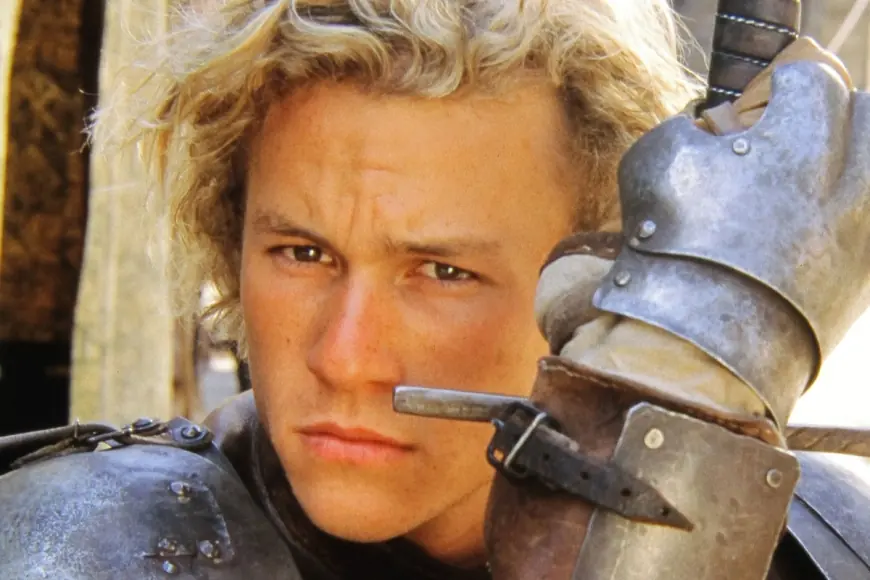
Writer-director Brian Helgeland has recounted how heath ledger accidentally knocked a tooth out of his mouth during an off-set demonstration of jousting after their 2001 film A Knight’s Tale. The moment has resurfaced as the film approaches its 25th anniversary, underscoring the physical risks and DIY stuntcraft that shaped the movie’s tournament scenes.
Development details
Helgeland has described several concrete choices made to stage the film’s jousts and keep actors alive while creating dramatic impact. The production hired re-enactors from a Las Vegas jousting show to perform much of the action, and the lances were crafted from balsa wood with compartments filled with uncooked spaghetti so that when a lance broke the pasta flew like splinters rather than sending dangerous splinters into bodies. Those measures aimed to reduce lethal risk while preserving the spectacle on screen.
Casting choices shaped the movie’s tone: Helgeland said Paul Walker was considered for the lead but that he ultimately cast Heath Ledger after a memorable meeting at LAX in which Ledger played a didgeridoo. Paul Bettany was written into the part of Chaucer over studio preference for another actor. Small production jokes—such as placing a recognizable athletic logo on the lead’s armour—later drew praise from that company. Helgeland also noted criticism aimed at the film’s score, which used electric guitar elements that drew complaints from some reviewers seeking a more traditionally orchestral sound.
Heath Ledger and the jousting mishap
The incident itself occurred after the film had been released and came while Helgeland and Ledger were demonstrating how to joust for Ledger’s agent. Ledger wielded a broom while Helgeland held a microphone stand; an accidental blow to Helgeland’s mouth dislodged a tooth. Ledger himself suffered during filming, Helgeland said, often showing large abrasions on his torso from the physicality of the sequences.
Beyond the tooth, other on-set details underline how tactile the production was: armour scuffs, repeated contact in staged contests, and actors proudly displaying injuries became part of the behind-the-scenes narrative. Paul Bettany later recalled Ledger’s mid-shoot tattoo—three concentric circles intended by Ledger to represent his place in the world—as emblematic of the actor’s buoyant confidence during production.
Immediate impact
The immediate consequence of the off-set demonstration was physical damage to Helgeland’s mouth and a story that has become part of the film’s provenance. For Ledger, the jousting sequences left visible marks: Helgeland said Ledger would lift his shirt to reveal sizeable abrasions. The production’s practical approach—balsa lances and staged breakage—meant that while participants were injured, the design choices prevented more serious harm.
Artistically, those same choices fed the movie’s identity. The anachronistic soundtrack and the fearless physical performances helped the film connect with audiences and sustain a reputation as a playful, genre-bending picture despite some critical reservations about elements like the score.
Forward outlook
The anecdote has surfaced as the film nears its 25th anniversary, a milestone that has prompted renewed attention to both the movie’s on-screen energy and its off-screen stories. Helgeland’s retelling ties directly to that milestone and to the film’s continued status as a conversation piece about reinvention, performance and practical stuntwork.
What makes this notable is how a small, improvised moment—mock jousting with household props—both produced a lasting personal injury and crystallized the project’s rough-edged spirit. Confirmed milestones on the record include the film’s 2001 release and the current recollection timed to the quarter-century mark; other elements catalogued by participants include the balsa-and-spaghetti lances, the use of professional re-enactors, the casting of Ledger and Bettany, and Helgeland’s anecdote about the lost tooth.
Those documented choices and memories continue to inform how the production is remembered as the anniversary prompts audiences and the filmmakers to revisit the blend of stuntcraft, costume play and musical boldness that defined the picture.