




















Hockey Rules at the Olympics: Why 3-on-3 Overtime Keeps Creating Drama and Debate

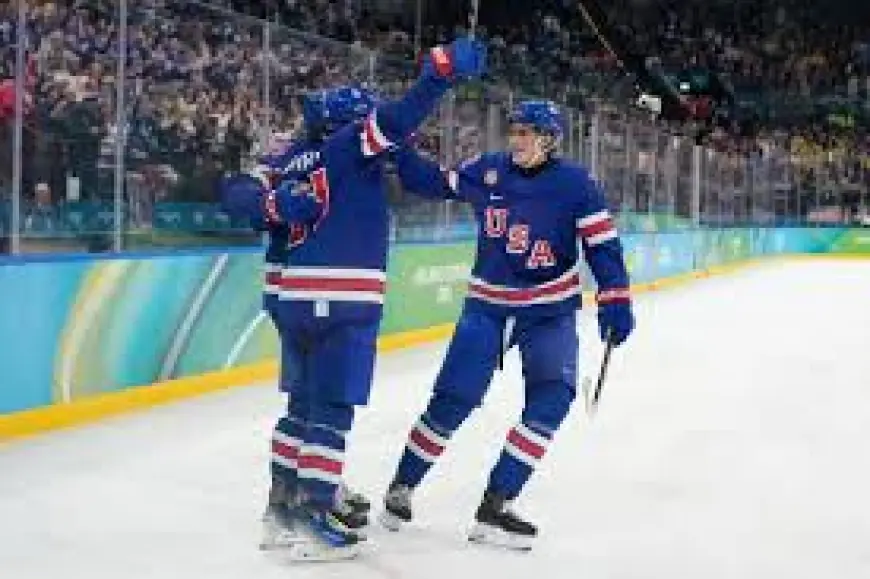
Here’s the part that matters: a compressed run of games highlighted both the best and the most contentious sides of Hockey Rules in international play. Over about 34 hours, multiple high-stakes matchups were tied at the end of regulation, with tying goals arriving in the final 3: 30 of the third period; those finishes collided with a tournament overtime setup that leans heavily on three-on-three play. That collision has sharpened questions about fairness, spectacle and competitive integrity.
Hockey Rules and the split over spectacle versus traditional playoff hockey
Three-on-three overtime is painted in two colors in the current conversation: electric entertainment for neutral viewers and an imperfect decider for teams that prize physicality and depth. In regular-season settings, the smaller-ice, wide-open 3-on-3 has been defended as a way to guarantee a result and reward skill and speed. But critics say it marginalizes the more physical players and removes an element—five-on-five, sustained checking and endurance—that many consider the truest test in a deciding game.
The tension grows when those split goals come late in regulation and the medal stakes are high. The compressed schedule and volunteer-dependent logistics of the Olympics make marathon multi-overtime nights impractical, which helps explain why the tournament leans on shorter, decisive formats rather than open-ended five-on-five overtimes. The real question now is whether that practical constraint justifies using a format that changes the character of a game at its most consequential moment.
What’s easy to miss is that this is not only a fan-pleasure versus purity debate; it also reshapes coaching choices and roster usage in the final minutes. Players typically relied on for grit and defensive shutdown roles are often sidelined in 3-on-3 scenarios, shifting which athletes feel the impact first.
How Olympic overtime is staged (and where the accounts diverge)
Descriptions of the tournament’s overtime structure appear in two different versions in the available accounts. One description lays out a progression that keeps three-on-three in place through the medal games: group stage and preliminary medal round with 5 minutes of 3-on-3 then a shootout; quarterfinals and semifinals with 10 minutes of 3-on-3 then a shootout; and finals decided by recurring 20-minute 3-on-3 periods until a winner emerges. Another description surfaces an alternate sequencing that moves back toward five-on-five in later medal rounds, with a single 20-minute five-on-five final period before returning to three-on-three or a shootout if needed.
Because those accounts conflict on precise staging, the exact path from regulation to a final result should be treated as developing. Officials and leagues have clearly blended elements from different rulebooks—some items align with the NHL rule set, others reflect international practice—and that blending is creating practical and philosophical friction.
There is a modest time rewind that helps explain how this became common practice: when the NHL eliminated ties after its lockout in 2004, it experimented with formats before settling on a version of three-on-three in overtime for the regular season. That background feeds expectations about what decisive hockey should look like and why the Olympics’ choices feel so consequential now.
- Several Olympic games were tied late in regulation during a roughly 34-hour stretch, with tying goals inside the final 3: 30 of the third period.
- Three-on-three overtime is used in Olympic play in some form through the medal rounds, one account, but an alternative account describes a later shift back to five-on-five for at least part of the finals sequence; the specifics are currently unsettled.
- Officiating procedures differ: international games operate without a remote Situation Room influencing reviews in the same way some league systems do; video review in the Olympic setting involves only on-ice officials and headset consultation.
- Roster deployment and late-game strategy are altered by 3-on-3 formats—players valued for physical play can be marginalized when space and speed dominate.
The immediate signal that would clarify direction: public confirmation of a single, consistent overtime schedule for medal-round games. Until the format is nailed down, debates over fairness versus entertainment will continue to intensify.
In short: the current patchwork of Hockey Rules in Olympic overtime has produced some of the tournament’s most arresting moments, but it has also exposed uncomfortable trade-offs. Fans get drama; some teams and player types get disadvantaged. Expect the discussion to keep evolving as officials and leagues reconcile practicality, player safety and what constitutes a fair decider in the sport’s highest moments.