






Sean Brady Faces Heightened Uncertainty in a Crowded UFC Welterweight Picture After Risky Loss

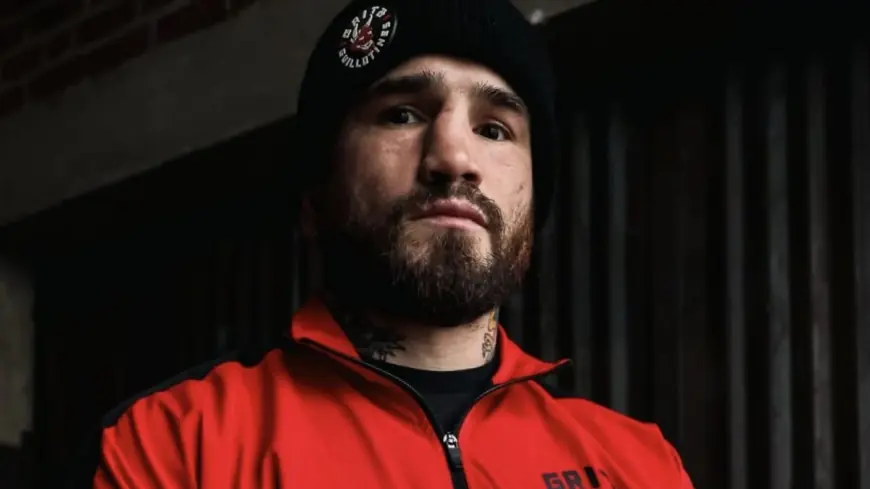
The immediate question for sean brady is not just how he bounces back, but where a comeback fits into a congested title picture. After a recent TKO defeat that interrupted his momentum, the field around him appears both crowded and paused; contenders are orbiting bigger fights while scheduling is uneven. That gap leaves Brady with decisions that will determine whether he rebuilds quietly or chases another high-profile, high-risk matchup.
Sean Brady and the uncertainty at welterweight
Brady is widely acknowledged as a talented fixture in the 170-pound division, but the loss to Michael Morales has left his path unclear. He knowingly took a risky fight that did not go his way, and now faces the task of reestablishing himself quickly if he wants to remain part of title conversations. Meanwhile, other contenders are progressing around him, contributing to a sense that momentum — for fighters and matchmakers alike — is uneven.
What’s easy to miss is that Brady has also publicly sketched a preferred route forward: he has expressed interest in marquee matchups rather than only incremental steps. That preference raises immediate questions about timing and appetite for another risky jump in competition versus a measured rebuild.
Here’s the part that matters for fight fans and matchmakers: the choices Brady makes next will affect more than his own ranking — they will influence matchmaking traffic across several adjacent contenders.
- Brady has placed himself next to the very top of the division’s contenders and framed his path around getting back into contention quickly.
- He singled out several fighters who are part of the same conversation, including names currently linked to larger bouts or unique timing constraints.
- The division’s calendar is uneven, with some top names not expected to compete immediately; that creates both opportunity and risk for a return fight now versus later.
- Brady indicated he expects activity in the near term, which could shape whether he pursues a high-profile opponent or a safer rebuild.
Inside the conversation: opponents, timing and positioning
Brady has discussed multiple potential opponents and the division’s shifting landscape. He referenced fighters currently tied to big fights or uncertain timing — examples include a projected matchup between two other top names and the idea that some contenders may not compete until after specific observances. He also mentioned fighters closer to him in the pecking order and identified a couple of marquee names he would like to challenge, signaling a preference for meaningful, career-accelerating bouts rather than tune-up fights.
The discussion also touched on outliers that complicate matchmaking: a veteran who remains listed in rankings despite talk of moving up in weight and other matchups being floated publicly. Those cross-currents create practical roadblocks for Brady if he aims for an immediate return against top-tier opposition.
On positioning, Brady has noted where he sees himself among the contenders and placed a particular rival directly ahead in the order. That ranking-minded framing matters because a single win or loss at this stage could either reinsert him into title contention or push him toward a longer, incremental path back.
A quick micro-timeline embedded in the conversation helps clarify the near-term context:
- Recent: Brady suffered a TKO loss that interrupted prior momentum.
- Near term: Brady anticipates some activity in April, which he’s using to time his comeback plans.
- Short-term constraint: Key contenders may be unavailable until after certain observances, creating a temporary lull in marquee matchmaking.
The real test will be whether Brady opts for a fast return seeking a top name or a steadier rebuild. Either route carries trade-offs: the high-reward path risks another setback, while a conservative route could delay a title push.
It’s easy to overlook, but Brady’s public positioning — favoring big fights and naming specific rivals — signals his appetite for risk even after a loss. That appetite will shape how promoters and opponents view his next booking and how quickly he can re-enter the title conversation.
If you’re wondering why this keeps coming up, note that the division’s congestion and staggered schedules are the reason a single fight decision can ripple across multiple contenders.