























Unc Vs Syracuse: Veesaar’s Return, an Ejection and a Paint Advantage Define a 77-64 Game in Syracuse

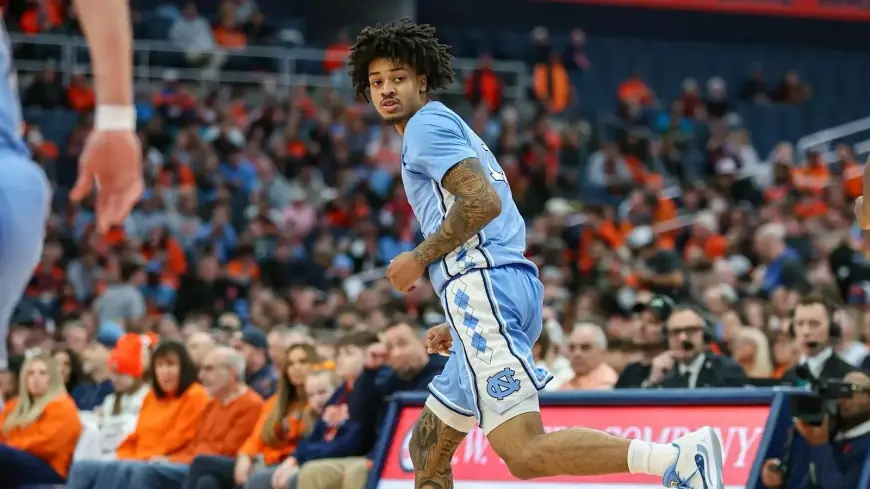
Why this matters now: The unc vs syracuse result shifts immediate pressure onto Syracuse’s rotation — a combination of North Carolina’s interior presence and discipline on turnovers left the Orange short-handed in a 77-64 loss. Players closest to the change—J. J. Starling, William Kyle III and Donnie Freeman—are the ones who felt the impact first; the outcome also sharpened debate in quick-reaction coverage published the same day.
Unc Vs Syracuse — who felt the impact most and how
North Carolina’s advantages in the paint and at the freewheeling moments influenced which Syracuse players and possessions mattered. The Tar Heels produced a 42-32 edge in the paint and scored 13 points off 10 Syracuse turnovers, statistical edges that translated into space and control for North Carolina. The game result left Syracuse with a tougher set of questions about perimeter shooting and composure down the stretch.
What's easy to miss is the scale of the paint margin: those points inside were a clear channel through which the Tar Heels converted Syracuse miscues into scoreboard separation.
Game details and stat leaders (Feb. 21, 2026, SYRACUSE, N. Y. )
- Final score: North Carolina 77, Syracuse 64.
- Henri Veesaar returned to the starting lineup and scored 19 points. The 7-foot center averages 16. 4 points and 9. 0 rebounds for the Tar Heels and had missed the team’s past two games, most recently Tuesday’s 24-point loss at N. C. State.
- Seth Trimble and Luka Bogavac each had 13 points; Zayden High added nine for North Carolina (21-6, 9-5 ACC). Caleb Wilson, the Tar Heels' leading scorer at 19. 8 points per game, missed his third straight game with a hand injury.
- For Syracuse (15-13, 6-9), J. J. Starling led with 22 points, including 14 in the second half; William Kyle III had eight rebounds. The Orange were 3 of 17 from 3-point range and have lost four of their past six.
- North Carolina scored 13 points off 10 Syracuse turnovers and outscored the Orange 42-32 in the paint.
If you’re wondering why this keeps coming up: the numbers above explain how North Carolina turned a tie into control in the second half.
Key sequences, momentum swings and injury notes
Starling opened the second half with six straight points for Syracuse. William Kyle III then stole the ball and went coast-to-coast for a slam to tie the game at 44 with 12 minutes to go. The Tar Heels immediately answered with an 8-0 run to take control; Trimble scored four of those eight points. Syracuse did not get closer than seven for the remainder of the contest.
Caleb Wilson’s absence was noted: he missed his third straight game with a hand injury, leaving North Carolina to adjust its rotations while Veesaar’s return helped offset the gap.
Ejection, emotions and rapid reactions
Donnie Freeman was ejected, and Syracuse’s frustrations bubbled over in the loss to North Carolina. A rapid-reaction column by Adam Lucas, dated February 21, 2026 and filed under Men's Basketball, captured immediate responses after the game. The timeline of the ejection and specifics about why it occurred are unclear in the provided context.
Here’s the part that matters for fans tracking momentum: emotion-related disruptions and an inability to hit from deep combined with the Tar Heels’ interior scoring to decide the game.
- Feb. 21, 2026 — Final score recorded: North Carolina 77, Syracuse 64.
- Earlier in the game — Henri Veesaar returned to the starting lineup and finished with 19 points.
- With 12 minutes left — William Kyle III’s coast-to-coast slam tied the game at 44; North Carolina then posted an 8-0 run to move ahead.
- Forward line: further developments and roster notes could surface as each team proceeds through the remainder of its schedule; details may evolve.
Aftermath notes and how the coverage framed it
The game recap included an invitation for readers to sign up for Top 25 poll alerts and college basketball updates. Rapid-reaction coverage from Feb. 21, 2026 highlighted both the on-court turning points and the emotional flare-ups that followed the final whistle.
The real question now is how Syracuse addresses perimeter efficiency and discipline, while North Carolina evaluates the balance between interior depth and the temporary absence of its leading scorer.
Writer’s aside: The bigger signal here is how a single returned starter—Henri Veesaar—paired with turnover conversion, can flip possession-value in a conference game and compress the margin for error.