


















Andy Hiraoka Clearance Preserves High-Stakes Matchup and Keeps Junior Welterweight Picture Intact

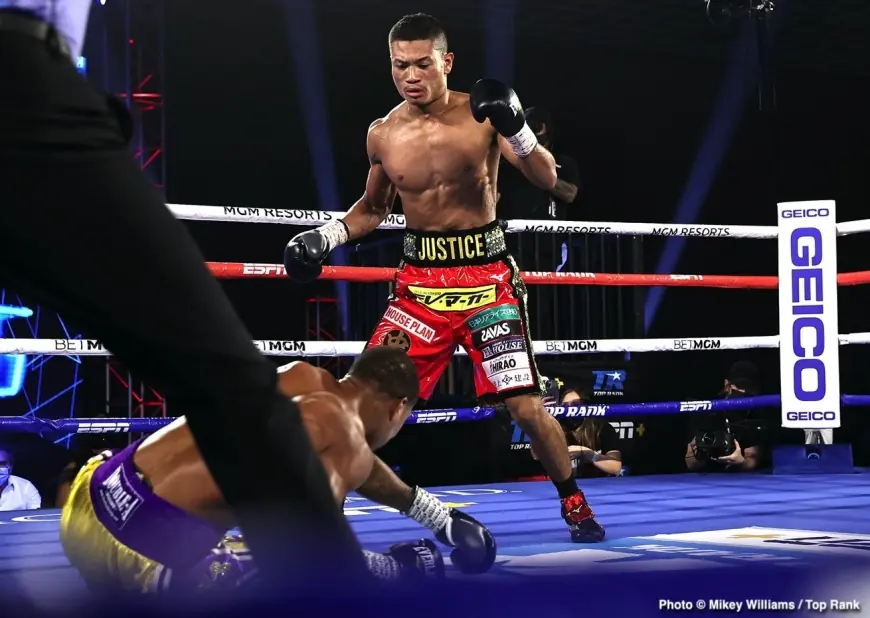
The late visa approval for andy hiraoka matters because it prevents routine disruption that often reshuffles title cards and contender trajectories. With travel cleared, promoters avoid a last-minute replacement, the champion keeps a mandatory defense, and fans get the matchup they bought. Here's the part that matters: the preserved fight changes short-term momentum for Gary Antuanne Russell while giving the undefeated challenger a compressed window to adapt on arrival.
Andy Hiraoka's travel sign-off and immediate ripple effects
The cleared travel for Andy Hiraoka removes the immediate threat of cancellation and keeps a mandated WBA 140-pound title fight on the pay-per-view undercard. That outcome stabilizes the event’s lineup and prevents the sort of scramble that can lead to lower-quality late replacements or postponements. For the champion, holding a scheduled defense preserves momentum and promotional leverage; for the challenger, it turns a period of uncertainty into a compressed, high-pressure opportunity.
What’s easy to miss is how a boxer's off-ring logistics can alter sporting narratives: visa delays don’t just affect travel— they influence preparation windows, clinch negotiations and audience expectations. The real question now is whether the late arrival will blunt the challenger’s acclimation or sharpen him for the moment.
Groups most directly affected include fight-night planners who now keep the card intact, fans who retain the advertised matchup, and both camps—Russell’s team keeps a mandatory defense on the schedule while the challenger must finalize arrival and last-minute work. If you’re wondering why this keeps coming up, it’s because last-minute travel clearances have habitually re-shaped title fights in recent match cycles.
Event specifics, records and what changed on the timeline
- Venue: T-Mobile Arena (under the pay-per-view headliner).
- Champion: Gary Antuanne Russell — listed at 18-1 with 17 KOs; he framed this defense as a chance to prove standing among the division’s best.
- Challenger: Andy Hiraoka — listed at 24-0 with 19 KOs; noted as the WBA’s top-ranked contender at 140 and on a multi-fight knockout streak.
Key timeline (micro):
- September 2024 — Hiraoka earned mandatory status after a knockout in Tokyo.
- In the days leading to the event — his travel out of Japan was delayed by visa issues that were later resolved.
- With clearance granted late, the challenger was able to travel and the title fight remained on the card.
The challenger’s late clearance preserves the specific championship pairing that had been planned, avoiding the need for a substitute opponent or rescheduling. That matters commercially and competitively: the champion avoids a mismatch or a non-title tune-up, and the division’s rankings remain engaged around a mandated defense.
Practical implications to watch for in the short run include the challenger’s limited adjustment time after arrival and whether the champion uses the continuity to push for a statement performance. The champion has publicly framed this defense as part of a wider push up the divisional ladder, noting the quality of his opponents and his readiness to answer different styles.
Final note: while the visa clearance closes this chapter of uncertainty, details about exact arrival times, training adjustments, and final medicals naturally remain operational matters that will be finalized by the teams. The late green light simply ensures the matchup is contested as originally scheduled, keeping the junior welterweight title picture straightforward for the immediate future.
The bigger signal here is that logistical hurdles can still swing immediate opportunities in boxing, and a late solution can preserve not just a fight but a contender’s chance to change a career trajectory.