

















Jennifer Garner’s tougher turn in The Last Thing He Told Me Season 2 reshapes expectations for viewers

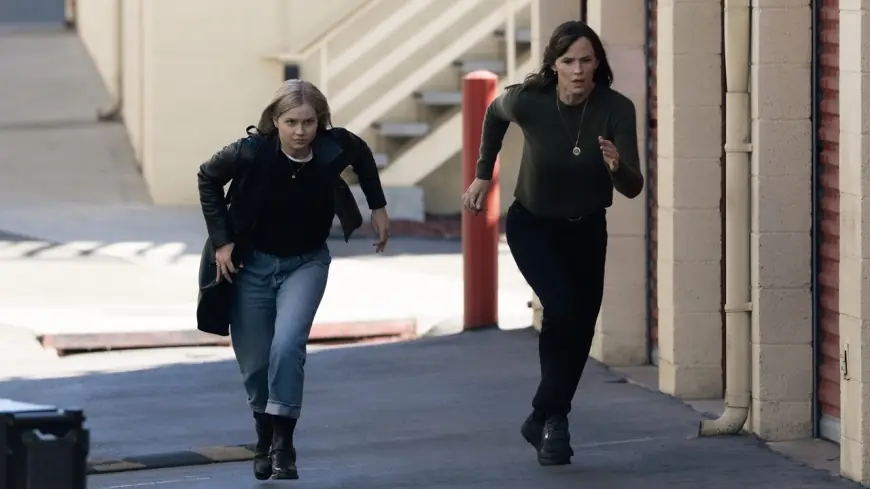
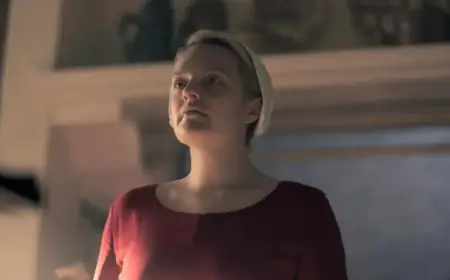
For fans of Jennifer Garner and viewers of The Last Thing He Told Me, Season 2 matters because it alters what the show asks of its audience: more physical stakes from its lead and a willingness to restart the flight narrative that closed the first season. Jennifer Garner’s Hannah Michaels is now a more prepared, hands-on protagonist — a change that shifts the show’s tone and raises fresh questions about motive and plausibility.
What this shift means for viewers who follow Jennifer Garner’s work
Here’s the part that matters: this season gives Garner room to use a different part of her skill set. After a first season that wrapped with a satisfying ending and a small gallery tease, the follow-up leans into action and preparedness. For audience members who have grown used to seeing Garner in quieter “Mom” roles, Season 2 asks them to accept a protagonist who trains in fighting, carries a weapon, and operates with contingency plans.
Story beats and how the show reopens old threads
The Last Thing He Told Me Season 2 opens with the same brief, secretive gallery encounter that closed Season 1 — a moment in which Hannah Michaels (Jennifer Garner) briefly encounters her supposedly disappeared husband, Owen (Nikolaj Coster-Waldau). The show is available on Apple TV this season, and familiar faces return as the run narrative resumes: Garner’s character goes back on the run. That reprise of the gallery moment is a deliberate bridge between seasons, not a full cliffhanger, repeating the ‘‘and life keeps going on’’ tease from Season 1.
- Season 1 ended with a satisfying conclusion and a small, private tease in a gallery setting.
- Season 2 begins with that same brief scene and quickly returns Hannah to flight mode on Apple TV.
- Familiar faces from the show’s world reappear as the new season escalates the stakes.
Jennifer Garner gets physical — what the show lets Hannah do now
About 15 minutes into Season 2, the series allows Garner to get physical in ways the critic says the show previously denied her. Hannah, shaped by the first season’s experiences, has built a life five years later (in the show’s world) around the possibility of another disruption: training in fighting, actively carrying a weapon, using burner cell phones, keeping bank lockboxes full of untraceable cash, and maintaining secret storage units. This prepares her to act rather than react, and the change translates to a noticeably different performance for Garner.
What’s easy to miss is that this physical turn was both the critic’s demand and one of the season’s clearest responses: it’s an intentional pivot to let Garner demonstrate a less-used facet of her craft while still leaning on the character traits viewers already recognize.
Plot logic, the Campanos, and the leaps the story asks viewers to take
Not every narrative turn in Season 2 lands with equal force. The reason Hannah must go on the run with her stepdaughter Bailey (Angourie Rice) ties back to a deal struck at the end of Season 1: Hannah made an agreement with her husband’s late wife’s father, a mobbed lawyer played by David Morse. The terms of that deal had ensured she and Bailey would no longer be hunted by his clients, the Campanos, for Owen’s betrayal. In Season 2, that agreement is done — there is a precipitating event for this, but the shift asks for a big leap from the audience.
The show asks viewers to imagine a crime family so stung by a betrayal almost twenty years in the past that they would leap at the first chance to kill someone, and not the original betrayer but his daughter — a daughter who was so young when her dad crossed them she has no memories of that time — and the new wife too, a woman who didn’t meet the betrayer until like a decade later. And please keep in mind, this comes after several Campan
The real question now is whether the season’s new focus on preparedness and action can carry that credibility gap: the plot provides a precipitating event, but the motive and target selection remain points of friction for some viewers.
- Fans who want to see Garner act physically will find Season 2 more immediately satisfying.
- Viewers sensitive to plot plausibility may struggle with the leap that re-ignites the Campanos’ vendetta.
- If the show continues to emphasize Hannah’s preparations — training, weapons, burner phones, lockboxes, storage units — it’s moving toward a sustained, proactive thriller tone.
- Signals that would confirm this direction: repeated scenes that center Garner’s physical choices and fewer episodes that treat danger as purely reactive.
Short timeline to keep the sequence clear
- Season 1 wrapped with a satisfying ending and a brief gallery tease where Hannah sees Owen.
- Season 2 is set five years later in the show’s world and reopens with that same brief scene.
- The alleged betrayal at the center of the Campanos’ anger dates to almost twenty years in the past.
The critic’s verdict is mixed but instructive: while calling this season inessential, he still finds it a step up because it responds to a long-standing request to give Garner more to do physically. Expect the season to split viewers between those who welcome a tougher Hannah and those who want stronger justification for why old grievances are suddenly lethal again.