

























How Lindsay Clancy’s Bid to Split Her Trial Could Reshape Evidence, Scheduling and Courtroom Access

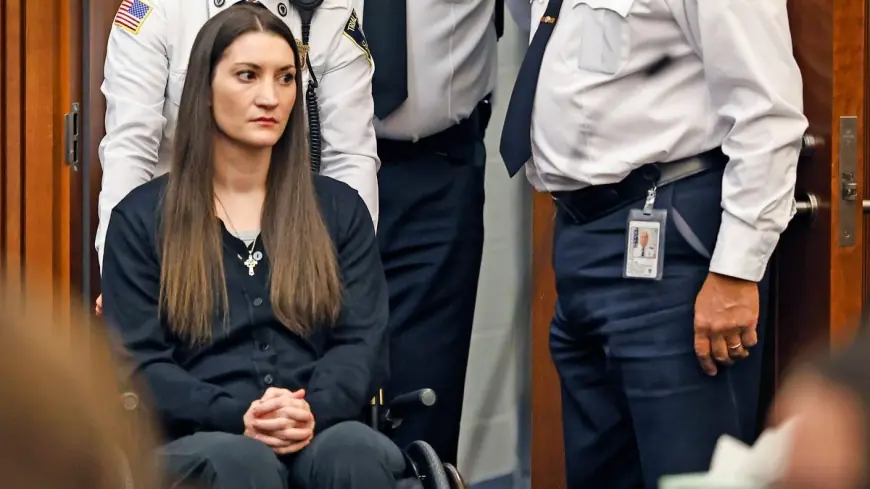
What changes now is procedural: the defense’s push to break the case into two distinct phases shifts the fight from narrative to structure, with immediate effects on how evidence and mental-health evaluations will be presented. The motion and related requests — including videotaping of a psychiatric interview and early access to a juror pool — all surfaced as lindsay clancy made her first full in-person court appearance, a practical step that raises transport and accommodation questions for future hearings.
Consequences for Lindsay Clancy’s trial schedule and courtroom process
- Separating guilt from mental-responsibility phases would force prosecutors to prove criminal liability first before the court considers a legal insanity defense, changing which witnesses and tests jurors hear first.
- Disagreements about videotaping a psychiatric interview touch on test integrity and what outside experts can review, which may affect how expert testimony is used at trial.
- Logistics of moving a hospitalized, wheelchair-bound defendant between facilities were tested by this appearance; future in-person hearings will depend on coordinated medical and law-enforcement support.
- Earlier access to a juror pool could accelerate voir dire planning and narrow the window for both sides to shape jury composition before the mental-health evidence is introduced.
Here’s the part that matters: splitting the trial would change the order in which jurors hear the most sensitive material. The real question now is whether the judge will grant the bifurcation and how that ruling will affect the timing and content of upcoming hearings.
What’s easy to miss is that procedural rulings on videotaping and juror access can be as determinative as witness testimony for how the case plays out in front of a jury.
Hearing details and procedural moves
The courtroom appearance was notable because Lindsay Clancy attended in person after previously appearing by video from the hospital where she has been held. She was transported in a wheelchair van, with medical staff on standby in the courtroom. Defense counsel filed three motions seeking a bifurcated trial, videotaping of a psychiatric interview, and early access to a pool of potential jurors; those motions will be fully heard at upcoming pretrial sessions.
Key timetable (schedule subject to change):
- March 2 — oral arguments scheduled on outstanding motions, including the bifurcation request.
- April 10 — date set for a mental evaluation to be conducted by an expert chosen by prosecutors.
- Mid-June / June 18 — additional pre-trial motions and scheduling hearings are planned to refine the trial calendar and resolve outstanding disputes.
- Trial month — the case is set to proceed in July, following multiple scheduling adjustments earlier in the process.
Defense counsel asked that the first phase concentrate strictly on whether the government can prove guilt beyond a reasonable doubt, with a separate second phase to consider whether the defendant was suffering from a mental disease or defect that could affect legal responsibility. Prosecutors raised concerns about videotaping portions of the psychiatric testing on the grounds that some test materials are proprietary, while both sides agreed that certain interviews could be recorded under limited conditions.
Family presence in court underscored the personal stakes: the defendant’s parents attended the hearing and spoke afterward about their relationship with their daughter. Medical transport and security arrangements were emphasized as part of the logistics that enabled the in-person appearance.
Key takeaways:
- Procedural rulings could change which evidence jurors hear first and how expert testimony is framed.
- Videotaping disputes point to a larger fight over expert access and test confidentiality.
- Transport and custody logistics are now an explicit factor for in-person participation at future hearings.
- Timetable moves over the next three months will signal how quickly the court will resolve these structural questions.
If you’re wondering why this keeps coming up: how the court decides on bifurcation and recording will shape not just presentation strategy but the legal pathway for any insanity or mental-responsibility claims.
The real test will be whether the judge grants separate phases and how narrowly the court limits videotaping of clinical materials; those rulings will determine the format of key evidence at trial.
The writer’s aside: It’s easy to overlook, but procedural choices early on often set the tone for how jurors interpret complex mental-health testimony later.