



















Genesis Invitational 2026: Surprise Leader Jacob Bridgeman Surges at Riviera as Rory McIlroy Chases in a Weather-Disrupted Week

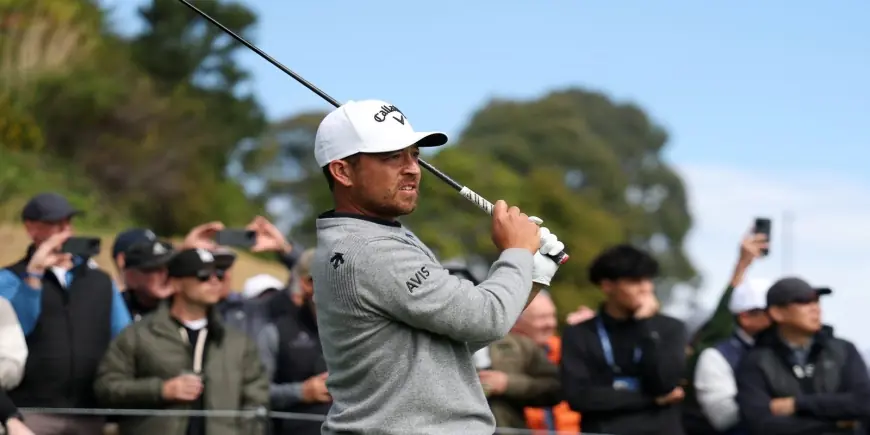
The Genesis Invitational 2026 is delivering a leaderboard few predicted, with Jacob Bridgeman charging into first place as the tournament entered a delayed-moving weekend at Riviera. As of Sunday, February 22, 2026 in Eastern Time, Bridgeman led at 18 under par while Rory McIlroy sat five shots back at 13 under, setting up a tense finish that could turn into a test of patience as much as shotmaking.
This year’s Genesis is the 100th playing of the event and one of the season’s highest-stakes stops, with a 20 million dollar purse and 4 million dollars to the winner. The combination of signature-event pressure, a demanding course, and stop-and-start conditions has made it ripe for a breakout performance and vulnerable for big names expecting a routine climb.
What happened so far at the Genesis Invitational 2026
Bridgeman has been the headline: aggressive scoring without the kind of short-game chaos that usually shows up when Riviera firms up. He separated himself during the third round push, turning the tournament into a clear opportunity for a first marquee win.
McIlroy has stayed close enough to matter, but not close enough to relax. His position is the classic dilemma for a star chasing a first-place surprise: push too hard and Riviera punishes you with awkward lies and tricky green-side angles, but play too conservatively and the leader keeps drifting away.
Aldrich Potgieter has also hovered near the top tier, while players like Aaron Rai and Xander Schauffele have remained within range if the final stretch turns volatile. Meanwhile, Scottie Scheffler’s week has been a reminder of how quickly Riviera can flip expectations, with early struggles forcing a climb just to stay relevant.
Behind the headline: why the Genesis leaderboard looks different this year
Context: Riviera is designed to confuse certainty. The course asks players to choose between ideal lines and safe lines, then punishes the timid shot that tries to split the difference. Add unsettled weather and interrupted rhythm, and you get a tournament where the best “plan” is often staying emotionally neutral and taking what the course gives.
Incentives: for Bridgeman, this is a career-defining chance. A win here changes schedule access, sponsorship leverage, and credibility in the biggest events. That incentive can create pressure, but it also creates clarity: every decision is made in service of one week.
For McIlroy and other stars, the incentive is different. The expectation is to win these events often, which means anything less feels like a missed opportunity. That pressure can quietly alter strategy, pushing a player toward risk at the wrong moment, especially when chasing a leader who is not blinking.
Stakeholders: the sponsor wants a premium event that feels major-adjacent. The tour wants a compelling product that rewards elite play. Players want the points, the payout, and the prestige. Fans want the familiar names on Sunday, but they also love a genuine breakout when it feels earned. This week is balancing those forces, with a fresh face holding the steering wheel.
Second-order effects: a surprise winner can shift how fields play the next month. It reinforces the idea that signature events are not closed clubs where only a few names can cash the biggest checks. It also pressures established stars to be sharper earlier in tournaments, because spotting a new leader multiple shots becomes more dangerous when the leader is fearless.
What we still don’t know
Several missing pieces will decide whether this becomes a straightforward Bridgeman win or a classic Riviera collapse-and-counterpunch finish:
-
Whether the schedule remains compressed and how that affects recovery, warmups, and late-round focus
-
How the greens firm up after changing conditions, which can turn birdie chances into defensive putts
-
Whether Bridgeman keeps attacking or shifts into scoreboard protection, a choice that can invite mistakes at Riviera
-
Whether McIlroy can produce a fast start in the final stretch, because chasing from five back usually requires early momentum
What happens next: realistic finish scenarios and their triggers
-
Bridgeman closes calmly and wins by multiple shots
Trigger: he continues to hit fairways and avoids the big number that Riviera hides behind tempting pins. -
McIlroy makes an early run and forces Bridgeman to answer
Trigger: two or three quick birdies that turn a five-shot gap into immediate tension. -
A middle pack contender jumps into the fight
Trigger: a low round from someone like Schauffele or Rai paired with a brief Bridgeman stall. -
Weather and rhythm become the story
Trigger: more stops or delays that shift momentum, making patience and routine more valuable than raw talent. -
The finish becomes a putting contest
Trigger: pressure tightens approaches, leaving the winner to be decided by five to ten footers on sloping greens.
Why it matters
The Genesis Invitational 2026 is shaping up as a referendum on how golf’s modern elite handles disruption and how quickly a new contender can seize a moment when conditions level the field. If Bridgeman converts, it’s a statement that opportunity at the highest tier is real and immediate. If McIlroy or another star hunts him down, it reinforces the brutal truth of signature events: leads are fragile when the chase is led by players who have closed bigger stages before.
Either way, Riviera is doing what it always does in February: turning reputation into pressure, and pressure into a leaderboard that tells you who is truly comfortable when every shot feels like it carries a consequence.