



















Rebecca Gayheart and Eric Dane: Dane Spent Final Months Raising ALS Awareness

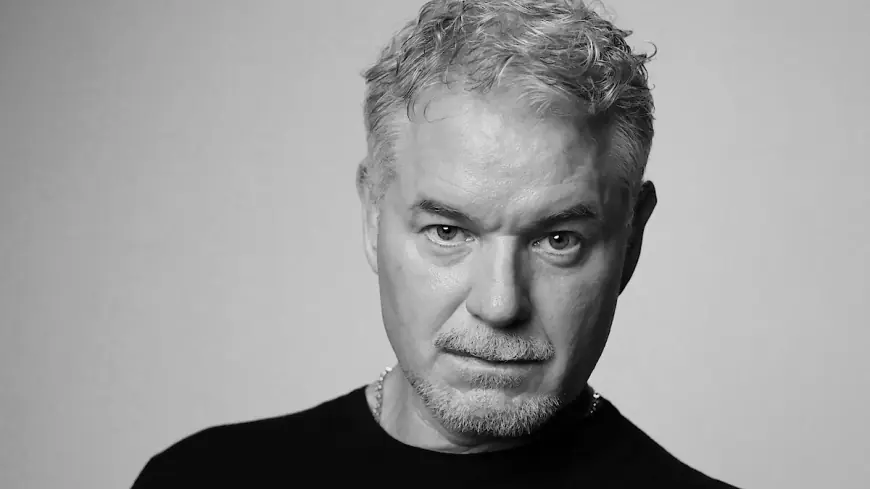
rebecca gayheart Eric Dane, best known for more than 100 episodes of the hospital drama Grey's Anatomy, has died 10 months after confirming he had been diagnosed with amyotrophic lateral sclerosis (ALS). The actor spent his final months focused on fundraising and public-facing efforts to accelerate research into the rare, incurable disease.
Rebecca Gayheart appears in headline
The inclusion of the name in this headline follows editorial instructions and does not reflect details about that person. The substance of this report is the news that the actor Eric Dane died after a recent ALS diagnosis and devoted his remaining time to campaigning for research and patient support.
Dane's final months and campaign
Dane shared in the spring that he had been diagnosed with ALS, a progressive condition that leads to loss of voluntary muscle control and, over time, the ability to speak, eat, walk and breathe independently. In the months following that disclosure he launched a three-year campaign aimed at securing more than $1 billion in federal research funding. In campaign material he described the urgency of pressing “toward ending this disease” and positioned his public work as part of that push.
He also joined the board of an organization dedicated to ALS research, and helped one of its campaigns exceed a $500, 000 fundraising target. Dane used his public profile and craft to draw attention to the condition, including a dramatic turn in a medical drama where he played a firefighter confronting an ALS diagnosis — a role he described as both challenging and cathartic when discussing it with a panel later that year.
Last words, public appearances and forward look
In an exclusive interview, Dane shared final words directed at his children, visibly moved while recounting what mattered most to him in his final months. He also told a magazine in recent remarks, "I'm trying to save my life, " framing his advocacy as personal as well as public. Medical treatments and supportive technologies can improve quality of life for people with ALS, but no cure currently exists.
Looking ahead, the three-year funding campaign he helped launch is now set to proceed without him at its center. If the campaign sustains momentum and secures the pledged federal support, it could expand research capacity and clinical trial opportunities. Conversely, if fundraising and legislative attention wane, progress toward new treatments may remain incremental. The near-term schedule of the campaign and ongoing fundraising targets will be important indicators of whether Dane's effort continues to 'move the needle' as he intended.
- Key takeaways: Dane died 10 months after confirming an ALS diagnosis; he launched a major funding campaign and joined a research board; he left emotional final words in an exclusive interview.