























Usa Hockey's semifinal rout reshapes America's Olympic gold bid against Canada

Why this matters now: usa hockey's decisive 6-2 semifinal win over Slovakia didn't just secure a spot in the gold-medal game — it changed the balance of momentum ahead of an all‑North American showdown with Canada. The victory highlights where the U. S. gains leverage (goalkeeping depth, defensive strength) and which pressure points will be tested on Sunday in the biggest single-game matchup of the tournament.
Usa Hockey: immediate effects on roster confidence and matchup dynamics
There are tangible winners and strategic shifts from the semifinal that affect players, coaches and the broader American program. The U. S. now goes into the final carrying conviction that its roster — including a three-time Vezina Trophy winner in goal and top NHL defensemen — can control games against elite opposition. For players, that means different roles and expectations: forwards will be asked to produce in bursts against Canada’s attack, while the defensive group must sustain a suppression approach that helped close out Slovakia.
Here's the part that matters for the team’s short-term planning: usa hockey can lean on elite goaltending as a force-multiplier in a single-game final, which changes match-prep priorities and in-game risk tolerance. What's easy to miss is how much a comfortable semifinal win reduces coaching uncertainty about line matchups and ice-time allocation.
- Final score: U. S. 6, Slovakia 2 (semifinal result).
- Key contributors: a U. S. forward scored twice; the U. S. goaltender allowed two goals on the night.
- Slovakia’s run included winning a prelim group with stronger opponents and beating a favored German team to reach the semis.
- Canada advanced after rallying from a two-goal deficit to beat Finland and will face the U. S. in the gold-medal game.
- Historical backdrop: the U. S. is seeking its first Olympic men’s hockey gold since 1980 and has lost two recent Olympic finals to Canada.
Semifinal snapshot and how each team reached this point
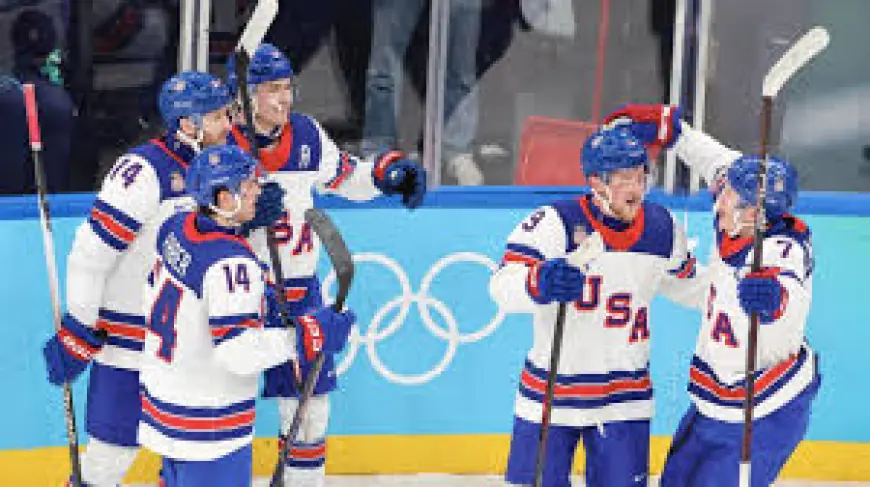
The semifinal itself was a statement: the Americans overwhelmed Slovakia 6-2, with Jack Hughes (identified as a multi-goal contributor) netting a pair and the U. S. netminder turning away all but two shots faced. That kind of efficiency in both finishing and goaltending shortened the game’s margin for error and allowed the U. S. to play with control rather than desperation.
Slovakia arrived in the semis as the tournament’s surprise, fielding seven NHL players and advancing after topping a preliminary group that included Sweden and Finland, then producing a dominant quarterfinal performance against Germany. Canada’s path to the final featured a comeback: rallying from a two-goal deficit to secure its place opposite the U. S.
The real question now is which single‑game variables — goaltender form, special teams, one hot scorer — decide the final. In past matchups between these neighbors, physicality and momentum swings have defined outcomes, and both teams bring narratives that feed into those flashpoints.
Key takeaways for observers and bettors of the matchup: expect a contrast in styles (U. S. defense and goaltending depth vs. Canada’s finishing talent), anticipate tighter line management from the American bench, and watch whether Slovakia’s semifinal run shapes tactical thinking about underdog resilience in tournament play.
Micro timeline (compressed): Slovakia won its prelim group to earn a bye; Slovakia beat Germany to reach the semis; the U. S. beat Slovakia 6-2 in the semifinal; Canada rallied from two goals down to reach the final. The Sunday gold-medal game is the decisive single event that follows.
It’s easy to overlook, but individual matchups — one forward against a specific defense pair or a goalie facing a particular shooter — are likely to determine slices of momentum that swing a single-game final. Expect coaches on both sides to prioritize matchup-level adjustments from puck drop onward.
If you’re wondering why this keeps coming up: single-game finals reward teams that can limit mistakes and seize short windows of advantage; the U. S. semifinal performance reduced the number of those risky moments and increased their margin for strategic play-calling.