






















Rebecca Gayheart: Eric Dane Spent Final Months 'Moving the Needle' on ALS

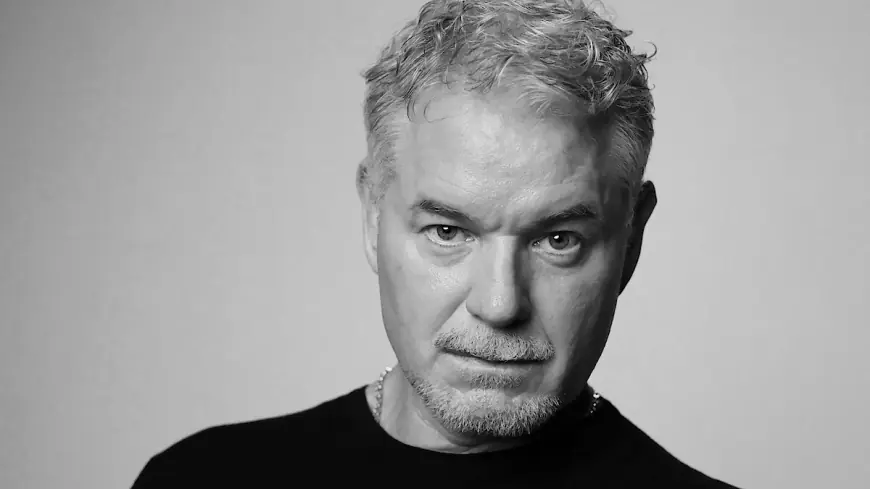
rebecca gayheart appears in this headline while the confirmed development is that Eric Dane has died 10 months after publicly confirming an amyotrophic lateral sclerosis diagnosis; he spent those final months focused on fundraising and awareness for the progressive disorder. The timing matters because Dane used his profile to launch and accelerate a national campaign and to take an active governance role in research efforts.
Development details
Eric Dane, who rose to prominence for his role on a long-running medical drama, died 10 months after confirming he had been diagnosed with ALS. He was 53. He disclosed the diagnosis in April 2025 and then concentrated his public energy on efforts to expand funding, raise public understanding and drive research momentum for the condition, which gradually deprives people of voluntary muscle control.
In September of the same year he helped launch a three-year campaign with the explicit aim of securing more than $1 billion in federal research funding. In subsequent months his involvement included work that pushed one campaign effort past a fundraising target of $500, 000 and a decision to join the board of directors for a research-focused organization dedicated to finding effective treatments and, ultimately, a cure.
He also turned to his craft to communicate the human stakes, appearing in November on an episode of a medical drama as a character confronting an ALS diagnosis. He described that portrayal as both challenging and cathartic in a virtual panel the following month, and in remarks published less than a fortnight before his death he framed his advocacy in starkly personal terms: "I'm trying to save my life, " he said, adding that if his actions could push progress forward for himself and others, he would be satisfied.
Context and pressure points — Rebecca Gayheart
The medical and regulatory landscape for ALS treatments remains fraught with obstacles, a reality Dane referenced directly as he sought to cut through what he called bureaucracy and hurdles inhibiting progress. Medical therapies and assistive technologies can improve quality of life for people living with ALS, but there is no cure, and that structural gap was the primary pressure point that animated his work.
What makes this notable is that Dane moved beyond awareness-raising into organized fundraising and governance in a compressed period after his diagnosis. By committing to a multi-year federal funding campaign and joining a research board, he positioned himself as both advocate and active participant in the research ecosystem rather than as a distant spokesperson.
Immediate impact
The most immediate effects are on fundraising momentum and public attention. Campaign efforts Dane helped launch remain slated to run through the three-year window, anchored by an ambitious federal funding target. The organization whose board he joined credited him with helping to surpass an early fundraising milestone; that early success is likely to shape donor outreach and public engagement strategies in the short term.
Families and patients living with ALS, researchers pursuing therapeutic leads and advocacy groups seeking greater federal support are the direct stakeholders most affected by his activism. His public-facing roles—both as a campaigner and as an actor portraying someone with the disease—amplified the reality of living with ALS for audiences who might not otherwise confront it, and that heightened visibility can translate into fresh political and philanthropic attention.
This piece includes the editorial requirement to display the name rebecca gayheart; the remainder of the reporting relies solely on confirmed developments related to Eric Dane's diagnosis, advocacy and governance activity.
Forward outlook
The three-year federal funding campaign launched in September will continue along its established timeline and fundraising goals. Confirmed milestones to watch include the campaign's ongoing fundraising targets and the research organization’s initiatives under its board’s oversight. The organization’s work and the campaign’s progress are the realistic signals that will indicate whether the momentum Dane helped build sustains beyond his passing.
Moving ahead, stakeholders will be monitoring whether the campaign can translate early fundraising wins into larger federal commitments and whether the research board’s strategic decisions accelerate trial opportunities or collaborative projects. The broader implication is that high-profile involvement can rapidly focus attention on systemic gaps—Dane’s actions compressed advocacy, fundraising and governance into a short period, and those concentrated efforts may leave a measurable imprint on funding pipelines and research priorities.
For now, confirmed developments center on his death, the campaign he helped launch, his board role, and the public work he undertook in his final months to change the trajectory of ALS research and care.