

















Rebecca Gayheart and Eric Dane: How He Gave His Final Months to 'Moving the Needle' on ALS

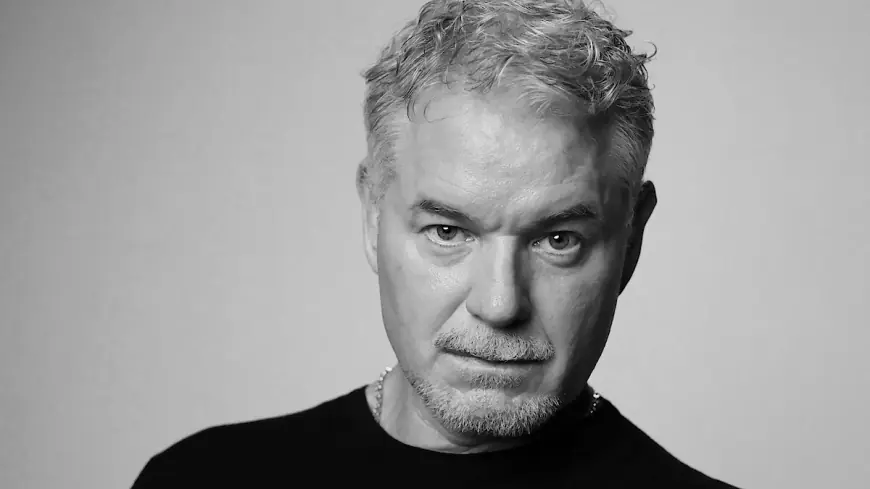
rebecca gayheart — Actor Eric Dane spent his final months focused on raising money and awareness after confirming an amyotrophic lateral sclerosis (ALS) diagnosis, and recent interviews captured emotional final moments as he pushed to accelerate research and support for people living with the disease.
Rebecca Gayheart: Framing the story around Eric Dane's final months
Eric Dane, best known for appearing in more than 100 episodes of a long-running hospital drama as Dr Mark Sloan (nicknamed "Dr McSteamy"), died 10 months after publicly confirming an ALS diagnosis. He was 53. In remarks published less than a fortnight ago he said, "I'm trying to save my life, " a line that underlined how personal his advocacy had become in the months after his announcement.
During that period Dane actively channeled his visibility toward fundraising and public education. He helped launch a three-year campaign aiming to secure more than $1 billion in federal funding for ALS research. In campaign materials he introduced himself in layered terms — an actor, a father, and a person living with ALS — to draw attention to the urgency of accelerating research and treatment access.
How Dane moved the needle on research and awareness
By December he had joined the board of an ALS research organization and played a hands-on role in fundraising efforts, helping one campaign surpass a $500, 000 target. He also used his acting to humanize the illness: in November he appeared on an episode of a medical drama as a firefighter struggling to accept help after an ALS diagnosis, a performance he later described as both challenging and cathartic.
Alongside public advocacy he spoke openly about the realities of ALS — the progressive loss of motor neurons that control voluntary muscle movement and the ensuing impacts on speech, swallowing, mobility and breathing — emphasizing that medical technologies can improve quality of life even though a cure has not yet been found.
Recent interviews, including an exclusive conversation that captured his final words, showed Dane balancing candid reflections on his prognosis with an urgent focus on collective action. Those interviews also recorded emotional moments in which he addressed family concerns and shared what mattered most in his final weeks.
Campaigns, momentum and what comes next
Dane's three-year federal funding initiative and his work with an ALS research board create a clear throughline: he invested his remaining public platform in efforts designed to outlast him. The fundraising push and board engagement are structured to produce sustained resources for research and clinical work, and the campaign will continue to be a focal point for advocates seeking policy and funding change.
Medical and advocacy communities often rely on high-profile engagement to galvanize attention and donations; Dane's public pivot toward ALS activism in his last months amplified calls for systemic investment. His participation helped lift fundraising targets and brought the lived experience of ALS into scripted storytelling and public forums, moves that organizers hope will translate into longer-term advances.
The full scope of the campaign's impact will become clearer as the three-year effort unfolds and partners move to implement the funding and research priorities Dane helped spotlight. For now, his final months stand as a concentrated period of advocacy, fundraising and storytelling aimed at accelerating progress against a devastating disease.
Readers searching for rebecca gayheart may encounter this coverage as part of broader interest in film and television figures; regardless of search terms, the central facts remain focused on Dane's late-career activism and the initiatives he advanced in the fight against ALS.