

























Sehri Dua (sehri dua): Ramadan 2026 fasting hours, suhoor and moon sighting

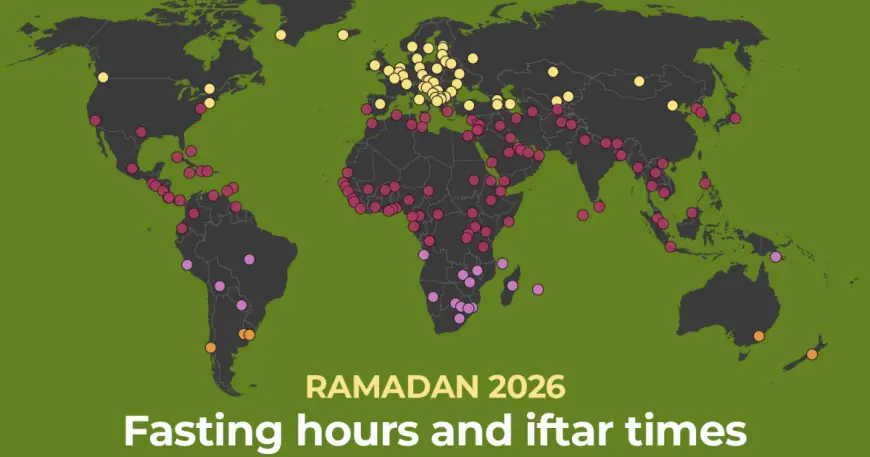
Saudi authorities announced the first day of fasting will be Wednesday, February 18 after a crescent moon was sighted on Tuesday, a development that fixes start times for communities and calendars. The announcement matters now because the timing sets dawn and dusk windows for pre-fast meals and prayers and determines local suhoor and iftar schedules, including how and when people recite the sehri dua during the month.
Why the start date matters
The crescent sighting determined that Ramadan begins on Wednesday, February 18, with observance locally running for 29 or 30 days. Moon sighting is the deciding factor for the start of the month, so the committee’s observation sets the first-day routines for fasting, worship and communal gatherings. The daily fast is observed from dawn to dusk; its exact duration depends on latitude and season, which is why the announced start date has immediate practical importance for prayer timetables and meal planning.
Sehri Dua sehri dua and suhoor timing
Suhoor—the modest meal taken just before dawn—and the short pre-dawn supplication known as the sehri dua are central to the daily observance. On the first day, typical dawn-to-dusk fasts will last about 12 to 15 hours in many locations, with suhoor taken shortly before dawn and iftar at sunset. Guidance in communities emphasizes starting the fast at dawn and ending it at dusk; the practice includes abstaining from eating, drinking, smoking and sexual relations during daylight hours to cultivate greater taqwa, or consciousness of God.
Fasting hours around the world
Global fasting durations vary widely. The dawn-to-dusk fast lasts anywhere from 11. 5 to 15. 5 hours depending on where people live. For nearly 90 percent of the world’s population in the Northern Hemisphere, fasting hours will be a bit shorter this year and will continue to decrease until 2031, when Ramadan will coincide with the winter solstice and the shortest day of the year. By contrast, people living south of the equator will experience longer fasts than last year, with countries such as Chile, New Zealand and South Africa seeing fasts of roughly 14 to 15 hours on the first day; northern locations see about 12 to 13 hours on that day.
Greetings, observance and the calendar outlook
Common greetings exchanged during the month include “Ramadan Mubarak” and “Ramadan Kareem, ” phrases used to wish someone a blessed or generous month. Preparations for Ramadan often include waiting for the moon sighting committee or local mosque to announce the start, after which daily practices follow the established suhoor and iftar rhythms. The Islamic lunar calendar shifts the fast earlier by about 10 to 12 days each solar year, so Ramadan’s timing changes annually. The lunar year is shorter than the solar year by about 11 days, a pattern that means Ramadan will occur twice in the year 2030, first beginning on January 5 and later starting on December 26.
- Key takeaways: Ramadan begins Feb. 18 by crescent sighting; fasting ranges 11. 5–15. 5 hours; suhoor and sehri dua align with dawn; Northern Hemisphere fasts shorten further through 2031.
Looking ahead, communities will follow announced timetables for dawn and dusk each day of the month. If daylight hours follow the projected seasonal patterns, fasting durations will continue to shift in line with the lunar calendar and seasonal daylight changes, affecting suhoor and iftar timing through the month and in coming years.