























Megan Keller and Hilary Knight lift U.S. to Olympic women's hockey gold in overtime

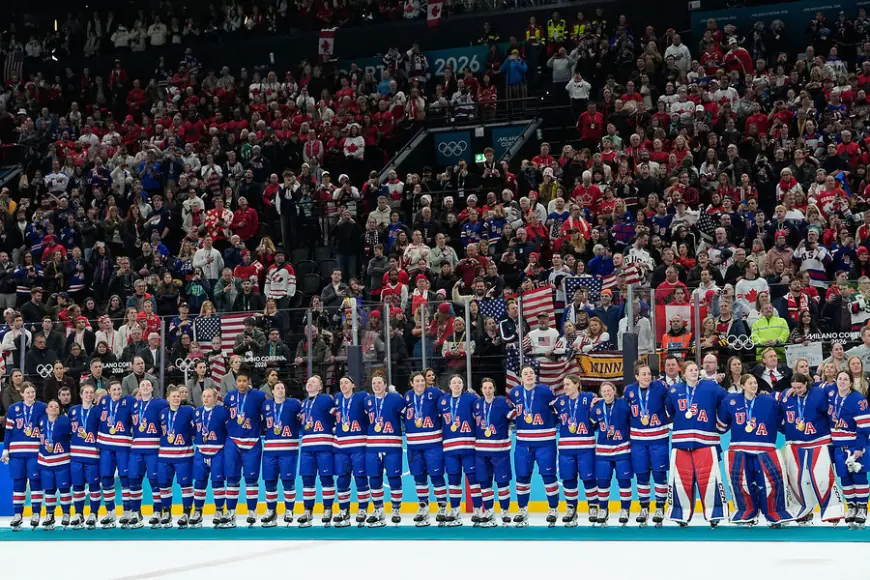
The United States captured the Olympic women's hockey gold with a 2-1 overtime victory over Canada in Milan, a finish defined by Hilary Knight's late game-tying play and Megan Keller's overtime winner. The result sealed a dramatic comeback and ended with the U. S. team standing arm in arm to sing the national anthem.
Megan Keller's overtime winner
Four minutes into the sudden-death overtime, a length-of-the-ice pass reached a streaking Megan Keller, who executed a decisive move past a Canadian defender and finished 1-on-1 with the goaltender, sending the puck through the netminder's legs. That tally produced the 2-1 final and clinched gold for the Americans in the Olympic final.
Knight's late equalizer
Facing a one-goal deficit and running low on time, the U. S. pulled its goalie and won a third-period faceoff in the attacking zone. The puck reached defender Laila Edwards at the point and Hilary Knight redirected the shot into the net with just over two minutes remaining in regulation, forcing overtime. The goal was Knight's 15th in Olympic competition and extended her career totals into record territory for the program.
Team moment and immediate fallout
After the victory the players stood arm in arm and sang the national anthem on the ice, a moment the captain called the best part of the night. The win closed a tense rivalry game that had seen Canada play aggressively for most of regulation before the U. S. rally. Attention now shifts to the men's tournament, with the U. S. men's squad preparing for its semifinal assignment later in the schedule.
- Final score: United States 2, Canada 1 (overtime).
- Knight tied the game with roughly 2: 04 left in regulation; Keller finished the game 4: 07 into overtime.
- The American team celebrated together on the ice and sang the national anthem arm in arm after the win.
Analysis: The Olympic sudden-death overtime format, which uses three skaters a side and produces more open ice, created the space the U. S. team needed to exploit speed and create the decisive chance. The late equalizer shifted momentum and allowed the Americans to press in overtime rather than defend a slim lead, producing the eventual game-winner. Looking ahead, the victory cements the leadership roles of veteran contributors and will shape narratives around legacy and lineup choices as national programs move beyond the Games.