


















Alysa Liu Mother figure searches collide with a gold-medal, carefree free skate that proved there’s no one like her

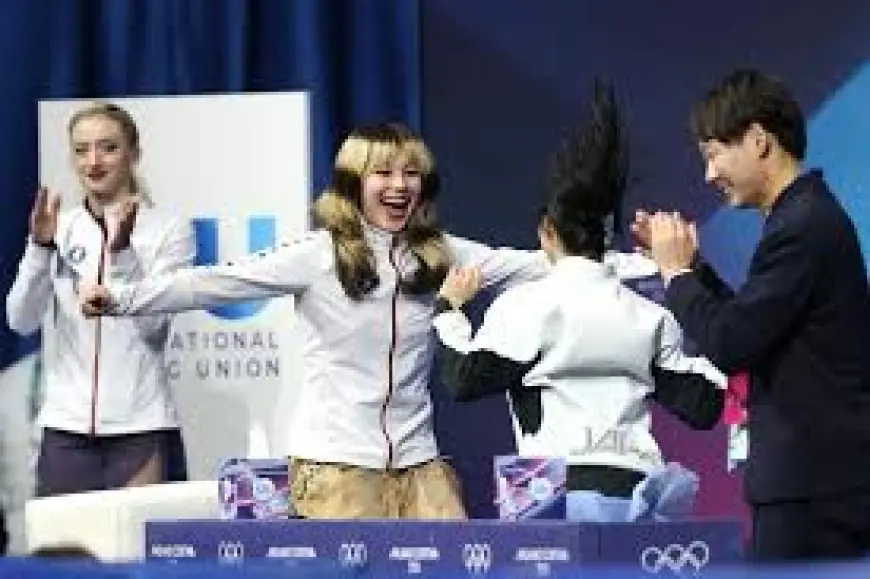
Alysa Liu returned to competitive skating on her own terms after a retirement at 16 and captured the gold medal in the figure skating free skate at the 2026 Winter Olympics, delivering a performance noted for joy and artistry. alysa liu mother
Development details
The confirmed record of Liu’s performance emphasizes a comeback shaped by a renewed focus on performing rather than pure competition. Now 20, she resumed elite competition after stepping away in her midteens and produced a free skate that judges and critics marked as both technically strong and emotionally open. Her program at the Milan-Cortina Games opened with the notes of Donna Summer’s "MacArthur Park Suite" and moved through a sequence of expressive elements: flowing edges, pronounced footwork, a playfully executed double axel, a layback spin and a Biellmann finish that served as an exclamation point to the routine.
Alysa Liu Mother: Context and pressure points
The available coverage focuses tightly on Liu’s artistry and the choices that shaped her return; it does not present biographical detail about family life. For those seeking information under the search phrase alysa liu mother, the published accounts emphasize Liu’s stylistic trademarks — fluidity, looseness in motion, and an approach to skating driven by self-pleasure in performance — rather than personal family background. What makes this notable is the contrast between the usual competitive tension that can make performances feel strained and Liu’s apparent ease: she skated with buoyancy and laughter, appearing nonchalant even while executing difficult elements.
Immediate impact
The immediate effect of Liu’s free skate was to reposition her in public and critical conversations from a former prodigy who retired early to a leading artistic force at the Games. Observers highlighted how her movement—described as liquid and flexible—buffered technical power with expressiveness. Moments such as a singled-out slide with a knee forward, a spin on both knees where she grabbed her hair, and playful gestures before jumps were singled out in coverage as evidence that her motivation stems from the art of performance as much as from sport. The timing matters because Liu’s return and gold-medal result arrived amid a set of skaters who had shown the sport’s emotional toll, yet she delivered a performance framed by joy rather than visible nerves.
Forward outlook
Confirmed milestones moving forward remain grounded in what has been recorded: Liu’s gold-medal free skate at the 2026 Winter Olympics, the choice of repertoire that foregrounded her movement quality, and the narrative of a skater who returned on her own terms. The immediate schedule of events and any future competitive plans are not detailed in the accounts at hand. For now, the realistic signal is that Liu’s artistic approach has become the dominant lens through which this phase of her career will be viewed. The broader implication is that when a top athlete prioritizes performance and expressive freedom, it can reshape expectations about what elite skating can look like.
The matter of family background or personal relations is not present in these pieces and remains outside the scope of this coverage. The verified record emphasizes Liu’s style, her program content, and the emotional tenor of a free skate that many declared singular in its combination of ease and excellence.