




















Olympic Hockey: MacKinnon's late goal sends Canada to gold game

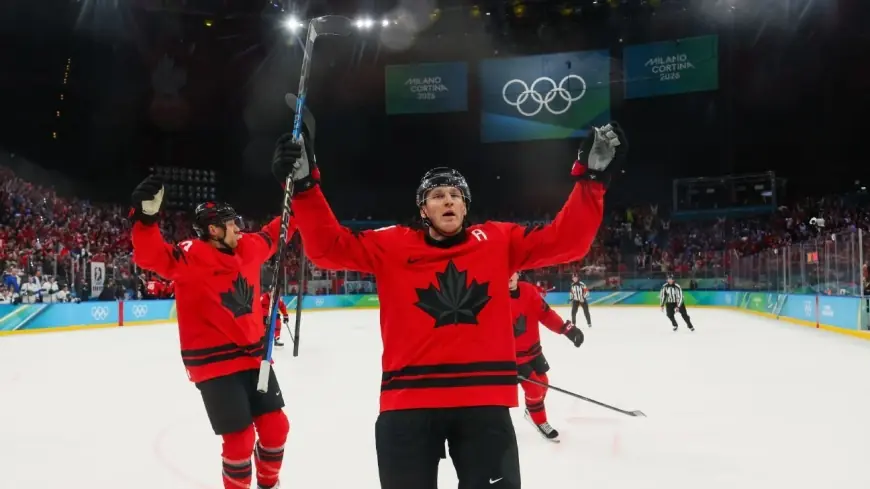
Nathan MacKinnon scored in the final minute to complete a comeback and send Canada into the Olympic Hockey gold-medal game, a dramatic 3-2 semifinal victory over Finland that sets up an all-North American final on Sunday. The win mattered because it converted relentless second-half pressure into goals and preserved Canada’s bid for gold despite trailing by two early in the game.
Olympic Hockey: MacKinnon's late winner
Canada trailed 2-0 after a shorthanded goal early in the second period, but the team turned the game around with sustained pressure and timely finishes. Sam Reinhart deflected a Cale Makar shot to cut the deficit, and Shea Theodore tied the score with a blast through traffic. MacKinnon then delivered the decisive play with 35. 2 seconds remaining, sneaking a short-side finish while Macklin Celebrini screened the goalie. The goal held up on video review after Finland challenged for offside.
Power-play depth changed the game
The final stretch began when a power play was set with 2: 35 left on the clock. That unit included Nathan MacKinnon, Connor McDavid, Macklin Celebrini, Sam Reinhart and Cale Makar. Connor McDavid’s cross-ice saucer pass found MacKinnon on the left side, and Canada generated multiple high-quality chances during the man advantage before the game-winner. The sequence followed a period in which Canada outshot Finland 31-8 for the remainder of the contest, reflecting a decisive momentum shift after Reinhart’s goal with 4: 40 left in the second.
What comes next for Canada
Canada will face the U. S. in the gold-medal game on Sunday. The semifinal displayed several observable indicators that shape the matchup: Canada’s ability to sustain pressure after falling behind, the effectiveness of its top power-play grouping, and elite playmaking from its leaders. Connor McDavid logged two assists in the semifinal to reach 13 points at this tournament, the most points by an NHL player at a single Olympic event. The team also advanced without its injured captain, who left the quarterfinal with a knee issue and did not play in the semifinal.
Finland’s goalie was described as excellent in net, and his performance kept the game close; Canada’s comeback required sustained attack rather than quick-break scoring. Coach comments and player reactions emphasized calm and belief rather than panic, and the victory was characterized as a collective effort. Video review was part of the finish, but officials ultimately upheld the goal, confirming Canada’s path to the final.
The immediate forward look is straightforward: Canada arrives at the final having shown it can overturn deficits and execute a high-end power play under pressure. Sunday’s matchup will pit those strengths against the U. S. side that also advanced, setting a matchup decided by execution in special teams, finishing in tight windows, and goaltending performance on the day.