
























Hilary Knight and Megan Keller spark U.S. comeback, win Olympic gold over Canada

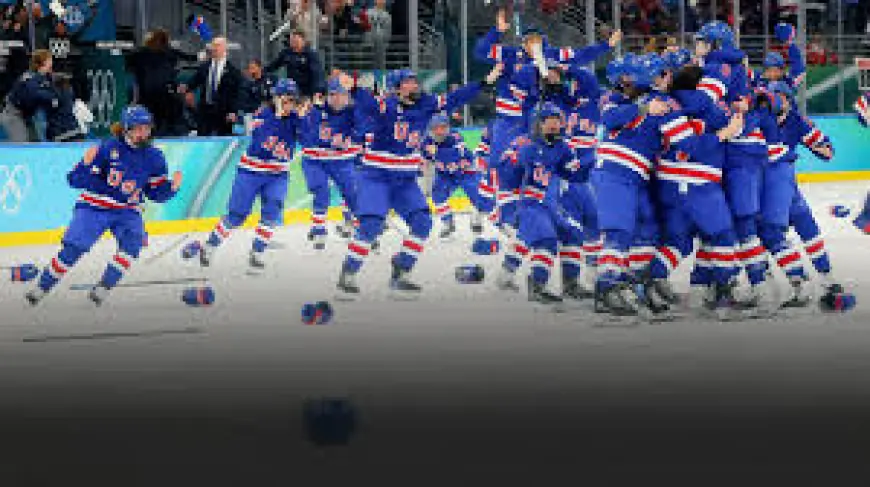
Hilary Knight delivered a late equalizer and Megan Keller scored in overtime as the U. S. women's hockey team rallied to a 2-1 victory over Canada to claim Olympic gold. The comeback mattered instantly for a team that had been pushed to the brink and for young players and coaches who said they drew inspiration from the finish.
Hilary Knight's tying goal and Keller's overtime winner
The U. S. trailed for the first time in the tournament during the gold-medal match but regained momentum late when Hilary Knight redirected a point shot past Canadian goaltender Ann-Renee Desbiens with just over two minutes remaining in regulation. That goal tied the game and was Knight's 15th Olympic goal, breaking the American Olympic scoring mark previously held by two players.
Four minutes into a high-tempo 3-on-3 overtime, Taylor Heise sent a length-of-the-ice pass to Megan Keller. Keller weaved past a defender and beat Desbiens to complete the comeback, securing the 2-1 win. Keller said the team had talked about playing to win in overtime and took the chance to make a decisive play.
Context and pressure points
The final was the first time at these Olympics the previously unbeaten U. S. side faced sustained pressure, trailing late and forced into a desperation push when coach John Wroblewski pulled the goaltender. Knight, the 36-year-old captain, pushed her teammates to respond in the locker room, asking, "Who's going to be the hero?" and urging action from players who had been dominant earlier in the rivalry.
Canada had dictated much of the match for the first 57 minutes-plus, with captain Marie-Philip Poulin describing her team’s approach as "in-your-face, relentless hockey. " The Canadians continued to press into overtime, confident they could still win, until Keller’s decisive offensive moment changed the outcome.
Immediate impact and forward outlook
The immediate winners are clear: the U. S. team claimed Olympic gold with a comeback that hinged on veteran leadership and opportunistic finishing. For Hilary Knight, the tying goal was both a game-changing play and a personal milestone; she has previously said these are her final Olympic Games. That detail frames the victory sharply for her career and for the U. S. program.
Youth programs were quick to latch onto the outcome. A youth coach, Andy Mandel, and his team joined a national morning program to react to the win, saying the U. S. performance provided inspiration for young players watching the gold-medal match. The timing matters because young athletes often mirror the habits they see at elite moments, and this victory presents a clear example of resilience and decisive play under pressure.
What makes this notable is the pairing of experience and toe-to-toe competitiveness: Knight’s late redirection and Keller’s willingness to take a bold move in overtime combined to overturn a match that had favored Canada for most of regulation. The broader implication is that leadership across lines—veteran presence up front and decisive defense-to-offense transitions—can produce game-defining moments when margins are narrow.
Next steps are straightforward and grounded in confirmed developments: the U. S. team departs the Olympic tournament as gold medalists, and Hilary Knight’s stated intention that this will be her final Olympics puts a clear milestone on her career narrative. For coaches and young players who followed the game, the confirmed outcome is a fresh template for late-game management and the kind of individual actions that can tip elite contests.