
























Dublin Airport Flights Face Fresh Delays as ATC Staffing Shortfalls Force Airspace Restrictions

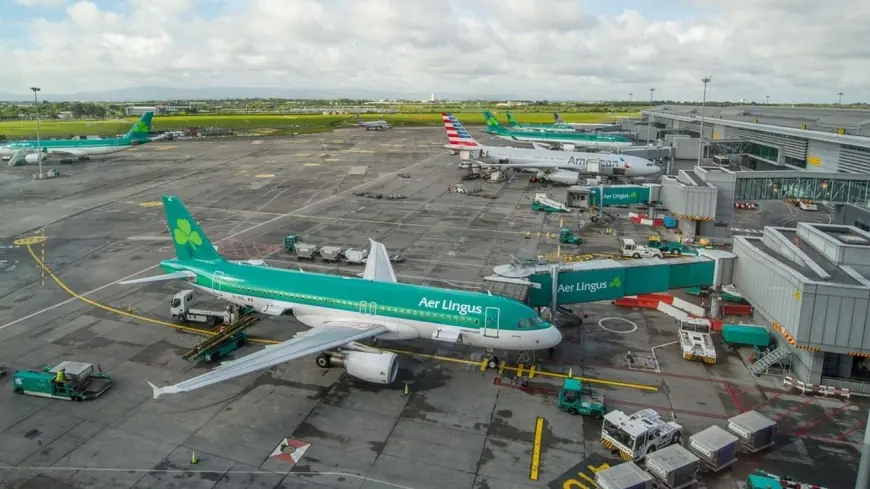
dublin airport flights were disrupted this month after air traffic control staffing shortfalls and short-notice absences prompted temporary restrictions on operations at Irish airports. The developments matter because they have produced diversions, early-morning closures and renewed talks between the controller union and the State provider that are now being handled through an internal dispute resolution process.
Dublin Airport Flights: Development details
Confirmed operational interventions included a temporary restriction of flights at Cork Airport between midnight and 7am on 11 February due to short-notice sick leave, a measure that forced diversions and delays. Dublin airspace has seen intermittent closures over a number of weeks, with two 30-minute closures recorded at 2am and 4am on 14 February. Runway and airspace restrictions at both Dublin and Cork have been explicitly linked to staffing shortages among air traffic controllers.
Government and operator statements in recent days have emphasised two parallel tracks: minimising passenger disruption and resolving staffing issues through established dispute-resolution mechanisms. The Minister for Transport has said he is paying close attention to the situation and that the primary focus is on ensuring smooth operations and minimising disruption to passengers. AirNav Ireland has said its priority remains the safe operation of Irish airspace, and the company is engaging with the union Fórsa through the company’s internal dispute resolution board mechanism; that process is being allowed to run its course.
Context and pressure points
The immediate operational squeeze reflects broader staffing and training pressures. The union representing air traffic controllers has described a context of "very high global demand" that has strained capacity and increased reliance on voluntary overtime to cover gaps. Industry commentary included warnings that the system has become increasingly dependent on controllers volunteering for overtime on rest days; one union representative said flight cancellations appear inevitable if current conditions continue.
Separately, analysis of the training pipeline highlighted structural constraints. Air traffic control training programmes were noted to require extended lead times, typically 18–24 months from selection to operational certification, creating a lag between recruitment decisions and fully qualified operational staff. The combination of high demand, training lead times and reliance on overtime has been cited as central to the current operational limits.
What makes this notable is Ireland’s role handling transatlantic traffic between Europe and North America, a position that increases the operational criticality of ATC capacity in Irish airspace. The pattern of repeated early-morning restrictions and multiple closures to date this year has underscored that local staffing shortfalls have continental implications for route flows.
Immediate impact
The disruptions have affected passengers through delays, diversions and the temporary closure of runway or airspace sectors in the early hours. Flights at both Dublin and Cork have been disrupted in recent weeks, and areas of Irish airspace have closed more than ten times to date this year. Operators and government officials have prioritised safety and passenger minimisation measures while the dispute-resolution process continues.
For crews and controllers, the operational environment has been marked by increased overtime demands and short-notice rostering pressures. That dependence has been identified as a risk to schedule resilience and has been invoked by union representatives in characterising the current situation as unsustainable without changes to staffing levels and training throughput.
Forward outlook
Negotiations between the union and AirNav Ireland are continuing under the company’s internal dispute resolution board mechanism, and that process has been described as something that must be respected and allowed to run its course. The matter remains under review while these discussions proceed. In parallel, industry analysis points to longer-term training pipeline issues that require sustained attention because current shortages reflect recruitment and training decisions made in prior years, and certification lead times mean fixes will not be immediate.
The timing matters because short-term operational restrictions are occurring ahead of a period when demand in European airspace is expected to rise, intensifying pressure on already constrained controller rosters. The broader implication is that resolving immediate staffing disputes will be necessary but not sufficient; addressing training throughput and recruitment strategies will be required to restore longer-term resilience in Irish airspace operations.