
























Winter Storm Watch: East Coast Communities Face Potential Nor'easter Impact Sunday, Monday

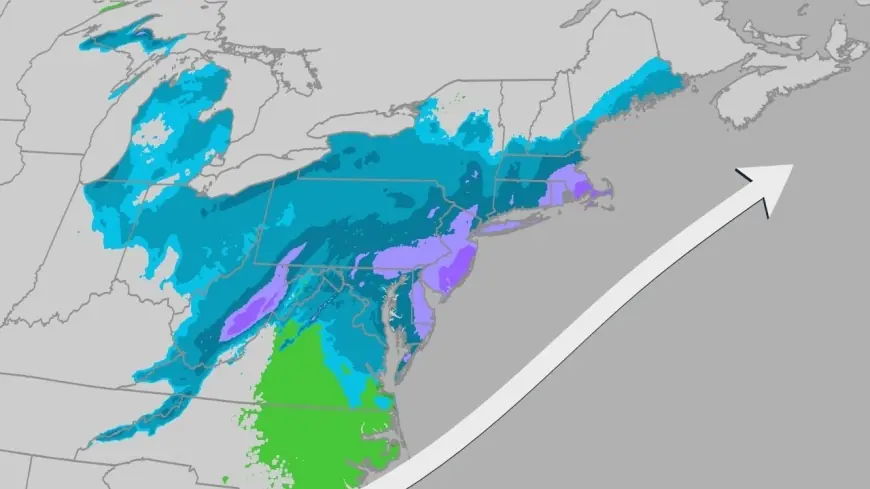
A Winter Storm Watch is now the framing for an East Coast storm that forecasters say could become a nor'easter on Sunday and Monday. This matters because coastal and inland communities on the East Coast are likely to feel the first ripple effects — from altered travel plans to shifting schedules for outdoor activities — while officials and service providers monitor evolving conditions.
Winter Storm Watch implications for communities and travel
Here’s the part that matters: a possible nor'easter spanning Sunday into Monday raises near-term choices for people living on or visiting the East Coast. The label Winter Storm Watch signals that hazardous winter weather is a credible possibility, so residents, commuters and businesses should begin situational awareness now rather than waiting until the storm is imminent.
- Timing: The window to follow is Sunday through Monday, the period when the system could produce its main impacts.
- Who pays attention first: people with weekend travel plans, shift workers, and anyone with outdoor obligations are positioned to see the earliest disruption.
- Operational prep: transit and service operators typically use this lead time to adjust schedules and staffing; households can check supplies and flexible plans.
- Forecasts are evolving; expect refinements to timing and intensity as the event draws closer.
What’s easy to miss is that a watch is not a certainty but a call to readiness — it’s an early-stage warning that conditions could deteriorate rapidly as the storm organizes.
Event details and what is currently known
Forecasters indicate an East Coast storm with the potential to become a nor'easter during the Sunday–Monday window. Beyond that core point, specifics on precipitation type, intensity, and exact track remain in development and will be clarified in subsequent forecast updates.
The real question now is how the system will evolve in the next 48–72 hours; small shifts in track or timing can materially change who sees the heaviest impacts. Residents should track official updates and be ready to alter plans if warnings are upgraded.
Quick timeline
- Sunday–Monday: The potential nor'easter window when impacts could occur.
- Before the event: Watches issued to prompt preparedness and operational checks.
- During/after: Forecasts will be refined and any advisories escalated as needed.
Key takeaways:
- Winter Storm Watch means hazardous winter conditions are possible within the forecast window.
- People on the East Coast with travel or outdoor commitments should consider contingency plans for Sunday and Monday.
- Officials and service operators typically use this lead time to prepare; expect adjustments as forecasts solidify.
- Stay alert for updates — the situation is developing and details may change.
Editor's aside: The bigger signal here is how quickly planning windows shrink for travel and operations when a nor'easter is in the picture; early attention reduces last-minute disruption.
If you’re wondering why this keeps coming up, it’s because coastal storm systems can reorganize rapidly, and the distinction between a routine coastal storm and a full nor'easter often comes down to small but consequential shifts in the storm track.
For now, the central, uncontested facts are simple: an East Coast storm could become a nor'easter during Sunday and Monday, and a Winter Storm Watch frames the situation as one requiring attention. Details may evolve, and further forecasts will clarify the scope and severity of impacts.