




















Alysa Liu Mother Moment Reorients Youth Skating Toward Joy and Artistry After a Gold-Medal Free Skate

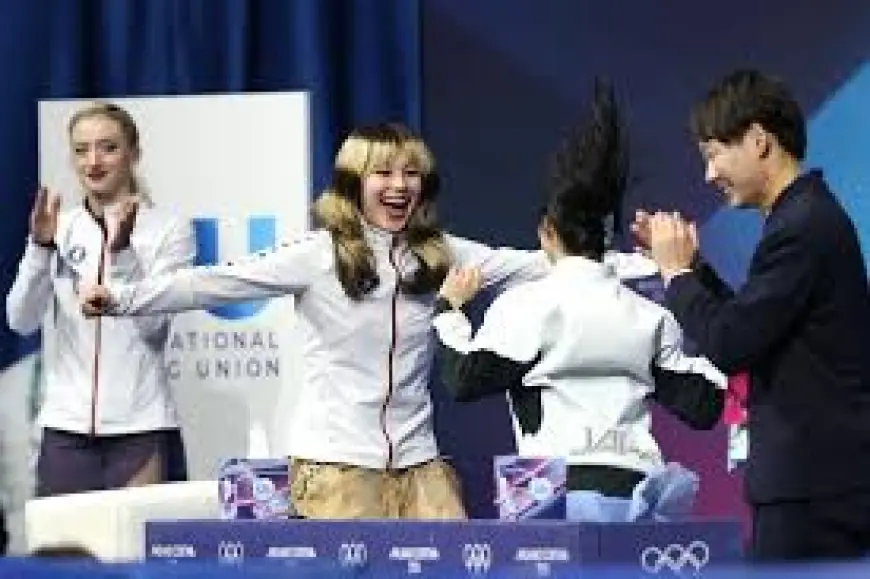
For young skaters and their coaches, the most important takeaway from a carefree, joyous Olympic free skate isn’t a single element but a new model of success. Mentions like "alysa liu mother" show how personal stories swirl around elite performances, yet the immediate effect is clearer: expressive skating paired with competitive excellence is being validated at the highest level. This changes priorities for the next generation of athletes.
Alysa Liu Mother: why coaches, juniors and choreographers are feeling the shift
Here’s the part that matters: the gold-medal performance underlined that artistry can coexist with winning. Coaches who emphasize pure technical output may need to reassess how they balance jump training with movement quality, musicality and relaxed presentation. Junior skaters watching a comeback athlete skate with joy and win are likely to ask whether pleasing themselves on the ice can be a deliberate strategy, not a distraction.
It’s easy to overlook, but the visible willingness to prioritize expression—rather than letting competition crush it—sends a practical signal about practice design, program construction and psychological coaching. If you’re wondering why this keeps coming up, consider that a top result achieved through expressive clarity changes incentive structures across a training group.
Event details framed by influence: what actually unfolded on the ice
The performance combined fluid movement, playful gestures and technically strong passages. A return to competitive skating after an earlier retirement was described as done on the athlete’s own terms, with a renewed focus on joy that translated into the free skate. Judges awarded the top Olympic prize, and the program included sustained fluidity, slides and a layout that finished with a layback spin and a Biellmann-style grab.
Musical choices and choreography reinforced this approach: the program opened with a distinctive suite and unfolded as a sequence of gliding edges, expressive footwork and the loosening of tension into more effortless jumps. The result was a free skate that reviewers called transcendent because the skater skated to perform rather than to survive the competition.
- Key movement highlights: flowing edges, playful hand gestures, knee slides, a layback spin and a Biellmann finish.
- Competitive arc: retired in mid-teens, returned with a joy-focused mindset, then won Olympic gold.
- Artistic note: choreography prioritized motion quality and connection to the music over an all-quad closing drive.
The real question now is whether this will change selection and training conversations at the national and club levels; a single high-profile victory that prizes artistry can recalibrate expectations.
Q: How should a young skater respond?
Look at practice time allocation: carve out sessions that prioritize flow, transitions and musical interpretation as explicitly as jump repetitions.
Q: What might coaches change?
Integrate choreographic runs earlier in the season and include pressure-free performance blocks to cultivate ease under competitive conditions.
Q: What will confirm this trend?
If programs with similar expressive priorities consistently place at major events, the shift will have momentum.
Micro timeline: retired in her mid-teens; returned to competition with renewed focus on joy; achieved Olympic gold in the 2026 Games. This sequence underlines a rare comeback that favors artistry as much as results.
What’s easy to miss is how quietly influential a single, well-received program can be: it doesn’t just win medals, it offers a template that clubs and choreographers can copy without sacrificing competitive aims.
Across training rinks, conversations will now include both technical metrics and questions about expressive intent. Mentions of "alysa liu mother" in the wider chatter reflect the broad interest in the athlete’s story, but the enduring effect will be measured in how coaches and juniors adapt their day-to-day work.