























Megan Keller’s overtime backhand: how a single goal reshaped the moment for players, rivals and fans

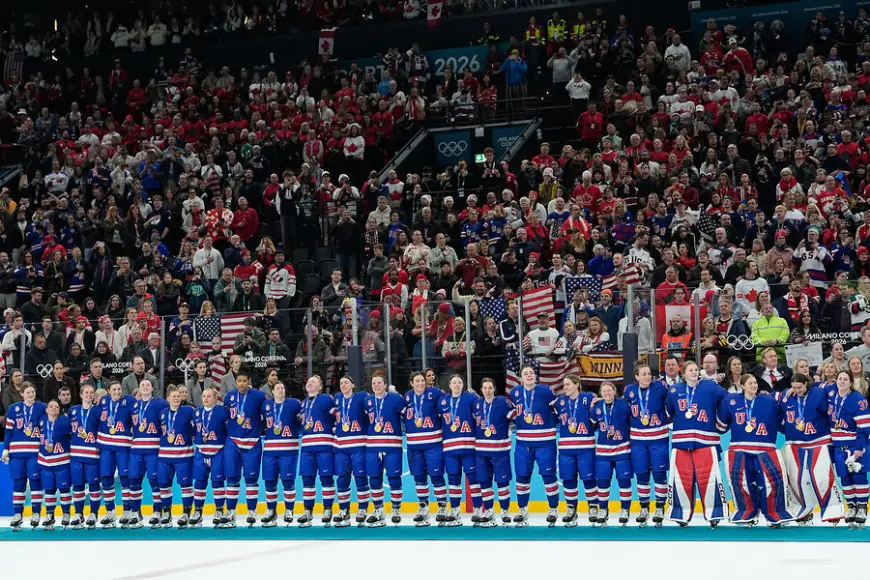
The immediate impact landed on the players and the crowd: a single overtime backhand changed who celebrated, how they celebrated, and what the rivalry looks like going forward. In the stunned aftermath, megan keller’s game-winner turned an already intense final into an anthem scene that knit teammates and American fans together — while also leaving Canadian supporters with a performance many respected.
How Megan Keller’s goal affected teammates, supporters and a storied rivalry
Here’s the part that matters: the win did more than deliver a gold medal. It created a collective moment — players standing arm in arm, U. S. fans singing on the arena floor, and veterans and newcomers sharing a spotlight born from late resilience. The captain’s late equalizer forced overtime and opened the space for the team’s speed and depth to operate; the overtime backhand finished what had become an emotional swing in momentum. The result shaped perceptions on both sides of the border and gave the American roster a distinct closing image on the Olympic stage.
What's easy to miss is the dual nature of the night: the U. S. triumph was loud and immediate, but the Canadian side produced a performance that won admiration for most of regulation — a contrast that intensifies the rivalry rather than diminishing it.
Event details and the decisive moments that followed
The final ended 2-1 in overtime after a tight match in Milan. The captain tied the game late in regulation with a goal that forced sudden-death play; that scoring milestone also extended her Olympic scoring marks. A few minutes into overtime, Megan Keller scored with a backhand finish to clinch the gold. After the presentation, the U. S. team stood arm in arm and joined American fans in singing the national anthem — a spontaneous scene framed as one of the night’s most memorable moments.
- Scoreline: 2-1, overtime.
- Late regulation: captain scored with 2: 04 remaining to force overtime and added to her Olympic goal and point totals.
- Overtime clincher: megan keller’s backhand came 4: 07 into overtime to secure the victory.
- Location: the match concluded at the arena in Milan on the day designated as Day 13 of the event.
The real question now is how teams will process a final that both showcased veteran clutch moments and underscored the tactical strengths that defined each side for most of the night.
- Key takeaway: The late equalizer shifted the game’s narrative from Canadian control to sudden-death showcase.
- Key takeaway: The overtime backhand created a lasting image — teammates and fans uniting in the anthem — that will be replayed in discussions about the tournament.
- Key takeaway: Despite taking gold, the U. S. victory did not erase the Canadians’ strong showing earlier in the match; admiration for that effort is likely to shape future matchups.
- Key takeaway: Veterans and younger players combined in decisive moments, suggesting a blend of experience and speed carried the day.
Micro-timeline (quick reference):
- Day 13 of the tournament — regulation play produced a 1-1 score deep into the game.
- 2: 04 left in regulation — the captain scored to tie the game and force overtime, adding to her Olympic scoring totals.
- 4: 07 into overtime — megan keller scored with a backhand that secured the gold medal.
Finally, a practical signal to watch for in coming matchups: how both programs respond to the mix of veteran clutch scoring and younger speed that defined this final. Teams that adjust their defensive spacing and neutral-zone tactics to limit space in three-on-three overtime will test whether this outcome was a one-night tilt or the start of a strategic shift.
The bigger signal here is how a single play reframed the game’s story — from a tactical battle into a shared emotional moment between players and fans — and that emotional image may outlast on-ice analysis as the dominant memory from the match.