























Nets Vs Thunder: Momentum Tilted — How a Short‑Handed Thunder Win Rewrites the Trendline

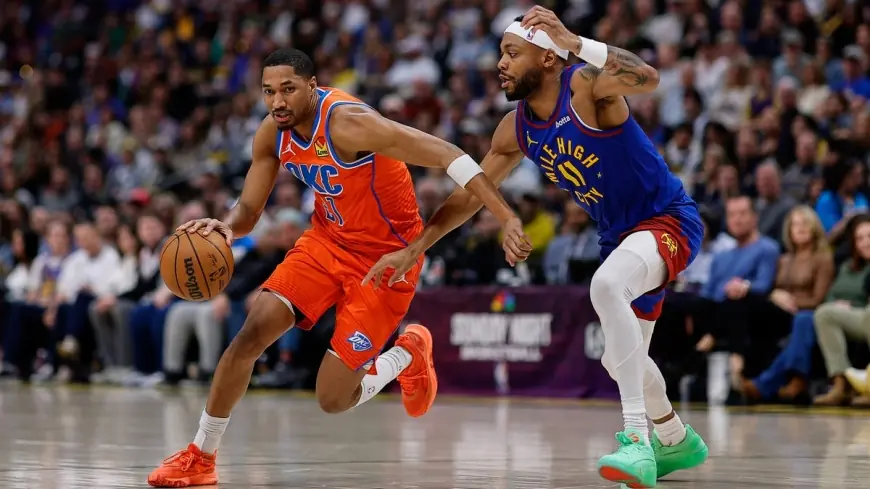
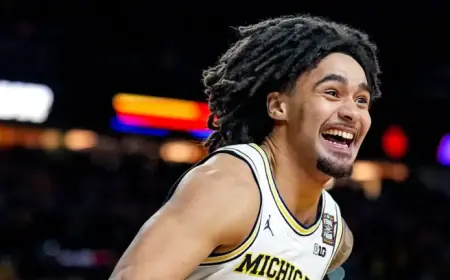
The market for team momentum shifted in the nets vs thunder meeting: Oklahoma City beat Brooklyn 105-86 while missing key creators, and Jared McCain's bench outburst exposed a deeper performance gap. This matters because the result amplifies Brooklyn's offensive slump and reinforces Oklahoma City's capacity to absorb injuries without collapsing — a dynamic that will influence rotation choices and matchup planning in the weeks ahead.
Nets Vs Thunder and the changing momentum: what the result signals
Oklahoma City's victory arrives with context that alters short-term expectations. Brooklyn entered the night already at the bottom of the league in points per game and field-goal percentage, and the loss extended their losing streak to three games. Meanwhile, the Thunder managed balanced scoring despite missing primary shot creators, which suggests lineup flexibility rather than a temporary fluke.
Here's the part that matters: a team that can replace production while its stars are sidelined changes how opponents prepare. The Thunder had to compensate for injuries to influential players, yet they still produced a defensive and offensive swing large enough to turn a tight first quarter into a decisive win.
Game snapshot and on-court details
Jared McCain, acquired in a trade this month, led Oklahoma City with a season-high 21 points off the bench, connecting on 7 of 12 shots and 3 of 6 from deep. Oklahoma City finished 105-86 over Brooklyn, with the Thunder distributing scoring: Chet Holmgren added 15 points, Isaiah Joe contributed 11, and Isaiah Hartenstein and Lu Dort scored 10 apiece.
Brooklyn's scoring leaned on Michael Porter Jr. 's 22 points and Nolan Traore's 17, but the team struggled to find consistent looks, shooting 36. 7% for the game. The single second-quarter stretch was decisive: Brooklyn went the first 8½ minutes of the second without a field goal and finished the half just 3-for-17, producing only 10 points in the period and a 50-33 halftime deficit. Oklahoma City turned a 23-21 first-quarter edge into a 38-26 run early in the second, and later pushes — including a run capped by Nikola Topic after his recent NBA debut — put the game well out of reach.
Injury notes remained front-and-center: Oklahoma City played without its primary shot creators due to abdominal and hamstring strains and will re-evaluate those players in the coming weeks. Brooklyn was also missing a key interior piece with an ankle sprain. Those absences reshape immediate rotations and emphasize which bench players must step up.
- Jared McCain delivered a timely scoring lift off the bench, his highest output in five games with the team.
- Thunder depth produced a multi-man scoring effort despite injuries to top creators.
- Brooklyn's offense stalled in the second quarter, a recurring indicator across recent losses.
- Defensive stops turned into separation: holding an opponent to 10 points in a half is a significant outlier.
What's easy to miss is how a single dominant quarter can both mask and reveal roster strengths: the Thunder's defense created opportunities that their reserves converted, while the Nets' offensive issues became amplified when shots stopped falling.
The real question now is how each club reacts roster-wise. Oklahoma City's ability to distribute minutes and keep producing offense while sidelined suggests coaching decisions will favor continuity for now. Brooklyn must address shot generation and efficiency if it hopes to halt the skid.
Timeline (select points):
- Feb. 12 — Oklahoma City returned from an All‑Star break after a 110-93 home loss referenced earlier in the schedule context.
- Friday night — The Thunder defeated the Nets 105-86, a game where McCain posted a season-high 21 points.
- In the coming weeks — Oklahoma City plans re-evaluations for injured primary creators.
Key takeaways:
- The Thunder demonstrated rotation resilience that can carry them through a stretch without top scorers.
- Jared McCain's bench scoring has immediate value and may influence usage patterns.
- Brooklyn's efficiency problems—low field-goal percentage and point production—require schematic or personnel adjustments.
- Second-quarter defensive dominance was the proximate cause of separation, not a slow finish alone.
If you’re wondering why this keeps coming up: consistent offensive droughts in a single quarter have compounded into multi-game slides for Brooklyn. Close monitoring of shot creation and lineup combinations will indicate whether this is a temporary collapse or a deeper trend.
Given the confirmed injuries and the game outcome, recent updates indicate lineup evaluations and medical rechecks will be the immediate next moves; details may evolve as teams report back over the next scheduling window.