
























Hockey drama in Milan: Megan Keller’s OT goal and Hilary Knight’s record lift U.S. past Canada for Olympic gold

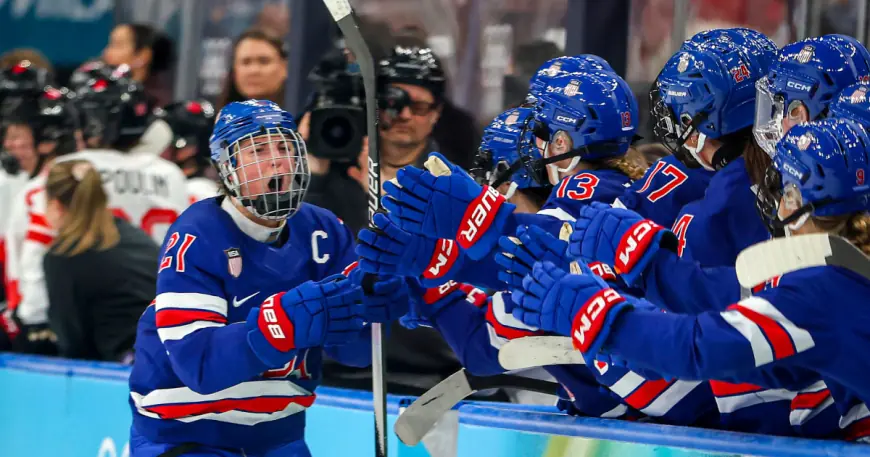
What’s new: In a gold medal game at the Milan Cortina Olympics, Megan Keller scored an overtime winner that delivered the United States a win over Canada, and Hilary Knight set the all-time U. S. Olympic goal-scoring record during the same match. The dual drama crystallized a fresh chapter in the long U. S. -Canada hockey rivalry and did so on the sport’s biggest stage.
What happened and what’s new
Confirmed facts: In the gold medal game, Hilary Knight scored her 15th career Olympic goal late in regulation to pull the United States even with Canada at 1-1, tying the game with roughly two minutes left. That goal moved Knight past the previous U. S. Olympic goals leaders, Natalie Darwitz and Katie King, making her the all-time leading scorer in U. S. women's Olympic history. With 33 career Olympic points, Knight also surpassed the Olympic points mark she previously shared with Jenny Potter.
Days later in the same final, Megan Keller scored the game-winning goal in overtime to give the United States the Olympic gold. Knight’s milestone moment followed an earlier tying goal she scored on Feb. 7 against Finland, which had matched the prior record; at the time she had not recognized she had equaled the mark. The win extended a sequence of gold-medal encounters between the two countries in Olympic finals.
Additional confirmed details: Knight is identified as 36 years old and reached 14 goals in 15 career Olympic games before the latest goal; the context cites a count of 27 career Olympic appearances associated with Knight. Knight has previously won Olympic silver medals in earlier tournaments and a prior Olympic gold. The two countries have dominated major tournaments historically, combining to win across all 31 major women’s hockey tournaments and meeting in a majority of recent Olympic finals. Recent world championship results cited show the United States winning in 2023 and 2025 and Canada in 2024.
Behind the Hockey headline
Context and incentives: The match served as the latest high-stakes encounter in a rivalry that has repeatedly decided major women’s hockey championships. The incentives for players included national pride, legacy milestones and Olympic gold. For veterans such as Knight, personal records and team outcomes intersect: scoring in a gold medal match both altered the contest and cemented a career milestone. For teammates, the immediate competitive incentive was victory; the strategic incentive for coaching staffs was to find ways to close tightly contested championship games and prevail in sudden death overtime.
Stakeholders: Players and coaching staffs on both national teams are primary stakeholders. National programs that fund and select Olympic rosters also have exposure in reputational and development terms. Individual athletes who reached milestones — Knight and Keller specifically — gained legacy and career-defining moments. Fans and the broader women’s hockey community are stakeholders in the rivalry’s ongoing narrative and in tournament outcomes that shape future investment and attention.
What we still don’t know
- Exact play-by-play positioning and buildup to the overtime winner beyond the confirmed scorer.
- Detailed game statistics beyond goals and the cited point and goals totals (shots, time on ice, special teams performance).
- Official confirmation of the precise game count phrasing tied to the number described as a 27th career Olympic appearance.
- Immediate team or federation statements about selections, retirements, roster impacts or future planning tied to the result.
- Personal plans or public comments from players beyond the moments quoted in the match narrative.
What happens next
- Domestic recognition and legacy building: Knight’s record will likely shape her standing in U. S. women’s hockey history; trigger — formal record acknowledgments from governing bodies or ceremonial honors.
- Team program momentum: The U. S. program may leverage the gold and recent world championship wins to strengthen development pathways; trigger — roster and funding decisions in the coming season.
- Rivalry escalation: Canada and the U. S. will remain primary rivals at world championships and the next Olympic cycle, with renewed strategic focus on closing tight games; trigger — coaching adjustments and roster changes announced ahead of upcoming tournaments.
- Individual career decisions: Key veterans may reassess international futures following milestone wins or losses; trigger — roster retirements or formal retirement announcements tied to post-tournament reflections.
- Media and commercial attention: Milestone moments and an overtime gold winner can drive increased coverage and sponsorship interest in women’s hockey; trigger — partnership activity and promotional campaigns featuring players involved in the final.
Why it matters
Practical impact: The match had immediate implications for historical records and athlete legacies: a new U. S. Olympic goals leader and an overtime gold-winning goal both change individual résumés and the narrative of the rivalry. For fans and the sport, the result reinforces the U. S. -Canada duopoly in major women’s tournaments and will influence selection, coaching and preparation priorities in the near term. Near-term implications include heightened attention on veteran leaders, potential momentum for the U. S. program, and renewed strategic responses from Canada as both nations plan for future world championships and Olympic cycles.