
















Josh Safdie’s Vision in Marty Supreme: How Costume, Lighting and Anamorphic Cinematography Shape a 1950s Antihero

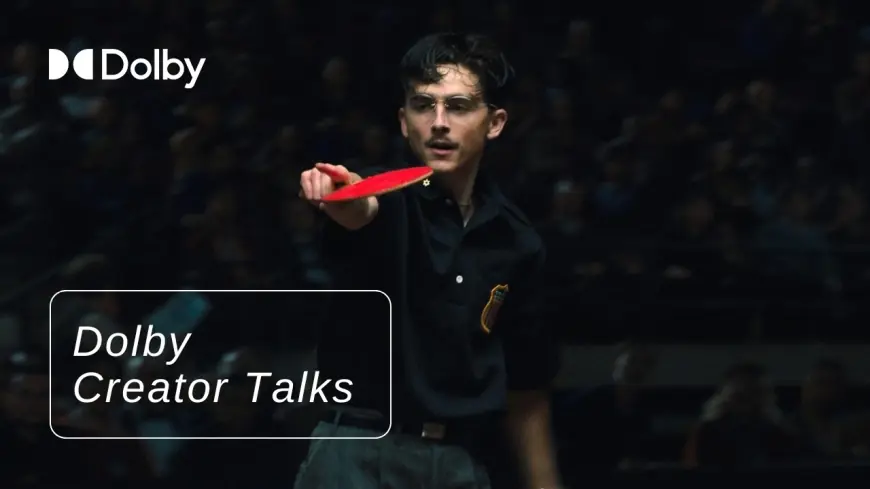
New creative breakdowns reveal how director josh safdie and his collaborators built the distinct look and feel of Marty Supreme. The film’s visual strategy — from costume choices to a deliberate use of classic anamorphic lenses and textured lighting — has become integral to its reception and to the conversation about its awards prospects.
Josh Safdie and the film’s stylistic partnership
The project’s visual collaborators framed Marty Supreme as a richly textured take on a 1950s-set sports story. An Oscar-nominated costume designer has publicly broken down the movie’s key looks, describing how wardrobe choices serve character and period. At the same time, Academy Award-nominated cinematographer Darius Khondji discussed the visual approach he and the director pursued: shooting on film, using classic anamorphic lenses, and favoring expressive close-ups to amplify character presence.
These choices were deliberately coordinated with production design, lighting, and color work to evoke a feeling of the mid-century world the story inhabits. The combined effect aims to make close-ups feel larger than life, echoing the visual logic of classic fifties anamorphic cinema.
Cinematography, lenses and the 1950s atmosphere
Darius Khondji emphasized the way anamorphic photography renders faces and gestures, noting that the format can be minimal yet transformative in framing close-ups. The cinematography team sought to recreate the impression of old, classic anamorphic films of the 1950s, aligning lens choice and film stock with lighting and color decisions to produce a cohesive period texture.
That emphasis on texture and scale in close-ups supports a filmic strategy in which character study and visual style work hand in hand. The production’s presentation choices extend to at-home and theatrical formats: Marty Supreme is available for purchase or rental for home viewing and remains in select theaters in Dolby Vision and Dolby Atmos, preserving the film’s intended audiovisual detail where possible.
Performance, narrative risk and awards talk
The lead performance has become a focal point of critical conversation. The young actor at the center of the story is described as an arrogant, driven table tennis player in the early 1950s who will go to extreme lengths — from training and hustling to armed robbery — to prove himself superior. Early impressions singled out this lead as a standout performer, with viewers persuaded to respect and ultimately root for an unlikable protagonist.
Critics have noted that the film departs from conventional uplifting sports narratives and instead pursues a stranger, riskier arc. That risk is tied to the editing and storytelling density: some viewers find the runtime feels long and the storytelling stacked. Still, the combination of bold performance, costume and production design, and deliberate cinematography has fueled awards conversation. Observers point out that a win for the lead could reflect the film’s capacity to elevate an unconventional protagonist, while the film itself has emerged as the production company’s most successful release to date, earning $148 million worldwide.
What to watch next
- How the costume breakdown continues to influence critical readings of character through dress and period detail.
- Whether the film’s anamorphic look and theatrical mastering in Dolby formats sustain momentum in awards season conversations.
- Audience response to the lead performance as more viewers access the film at home or in select theaters.
Recent coverage highlights a concentrated creative intent: josh safdie’s collaboration with costume, lighting and cinematography teams aimed to forge a unified, period-specific cinematic experience. Details about festival runs, additional award notices, or evolving box office tallies may continue to develop.