





















Hockey: How Hilary Knight's Olympic scoring milestone reshapes Team USA and its rivalry with Canada

For players, coaches and fans of women's hockey, Hilary Knight's latest milestone does more than pad a stat line — it reinforces a narrative of longevity and clutch performance that will shape roster conversations and the U. S. –Canada rivalry going forward. Knight became the all-time U. S. Olympic goal scorer and also moved ahead in career Olympic points, while a teammate's overtime goal delivered the gold that crowns the moment.
Hockey ripple: who feels the change and why it matters
Knight's scoring record and point total alter the internal balance of Team USA: younger forwards now have a clearer benchmark for international impact, coaches gain another veteran example of late-game influence, and the rivalry with Canada acquires a renewed dramatic chapter that will be referenced in selection and strategy discussions. The immediate effect is a morale surge; the medium-term effect will be how the coaching staff plans line combinations and power-play roles around an established scorer.
The bigger signal here is that individual milestones at this level can reshape locker-room narratives and invite new expectations for how the team wins tight games.
Here's the part that matters: Knight's numbers are not isolated markers — they come inside a gold-medal win sealed in overtime, which amplifies their practical value for Team USA's championship identity.
- Knight reached 15 career Olympic goals, becoming the all-time leading U. S. Olympic goal scorer and also posted 33 career Olympic points, surpassing the previous mark.
- This performance coincided with a gold-medal win over Canada decided in overtime by teammate Megan Keller.
- Knight's presence on the ice late in regulation directly produced a tying goal two minutes from the end, setting up the extra-time finish.
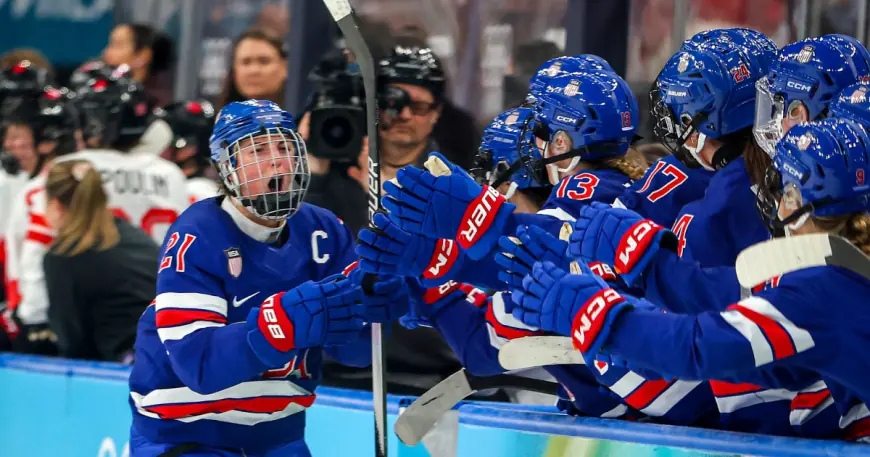
- The chemistry moment after the goal — teammates converging and tapping her helmet at the arena — underscored the personal and collective weight of the achievement.
How the final unfolded and the landmark moments inside the game
Late in regulation, Knight deflected a shot that leveled the score 1-1 with about two minutes remaining, forcing overtime. In extra time, Megan Keller scored the game-winning goal to lift the U. S. past Canada for the gold.
In the arena that hosted the final, teammates celebrated Knight's tying goal by surrounding her and patting her helmet — a visible sign of its emotional importance. This match also threaded into Knight's personal timeline: the milestone arrived only days after she became engaged to her longtime partner, a moment she acknowledged felt more nerve-wracking to plan than competing in the gold-medal game.
It is notable that Knight's Olympic career totals were built over many appearances; the depth of that record gives weight to how Team USA frames veteran contributions going forward. Teammate Keller was the one who finished the game in overtime, adding a decisive chapter to a rivalry that has historically produced the highest stakes.
If you’re wondering why this keeps coming up in roster conversations: longevity plus timely scoring changes how managers value experience alongside youth when constructing championship teams.
Micro timeline: Knight's Olympic final history includes multiple silver medals and at least one prior gold, and the current tournament added the latest gold and personal records to that sequence. The broader competitive arc between the two countries has repeatedly produced finals matchups and championship outcomes that center these players' legacies.
Key indicators to watch for confirmation of the next turn include how coaching staff use Knight in high-leverage minutes, whether younger scorers step into increased offensive roles, and how line assignments adapt after the win. The real question now is whether this blend of veteran milestones and clutch finishes becomes a template for future U. S. teams.
What’s easy to miss is that records like these matter less as isolated trivia and more as building blocks for team identity and selection philosophy in upcoming tournaments.