


















Alysa Liu Mother: How a Carefree, Joyous Gold-Medal Free Skate Reframed Olympic Artistry

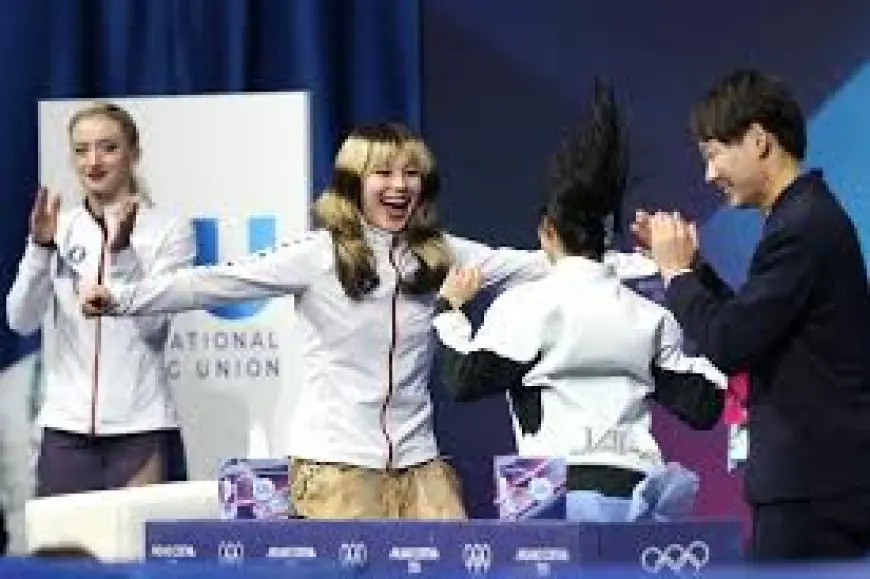
In a weekend defined by transcendent performances, alysa liu mother emerged as an ancillary query even as the central narrative became impossible to ignore: a young skater returned to competition on her own terms and delivered a carefree, joyous, gold-medal performance that underscored a rare commitment to artistry. That emphasis on self-directed expression — more than the result alone — is why this moment matters.
Alysa Liu Mother and the Spotlight on Artistry
The prevailing detail in recent coverage is simple and stark: she won the gold medal at the 2026 Winter Olympics and did so while foregrounding performance over pure competitive ferocity. Now 20, she came back to competitive skating after retiring at 16 and has returned with a renewed focus on joy. The way she skated made clear that her first audience is herself, and that inward pleasure translated into a performance that connected widely.
Why Her Free Skate Stood Out
What made the free skate at the Milan-Cortina Games notable was a sustained aesthetic through-line: fluidity, looseness and an almost conversational rapport with the music. She skated to a suite that opened with the recognizable pulse of disco and built a program that moved like water across the ice. Technical elements were present and integrated, but they were wrapped in expressive choices — a playful flick of the hand before a double axel, gliding edges that painted serpentine patterns, a layback spin and a Biellmann finish that served as an exclamation point.
The broader observation is that competition does not have to crush the performative instinct. While high-stakes events often provoke tense, tactical skating, this group of Olympians found ways to shed pressure and emphasize artistry. Her free skate demonstrated how expressive movement can buffer strength, allowing power to read as supple and musical rather than simply athletic.
What This Performance Signals for Skating
The immediate takeaway is aesthetic: skating can be a tool for self-expression rather than merely an arena for accumulating technical difficulty. Her program showed how softness can coexist with explosive jumps, how landing technique and expressive arm work can be complementary, and how a nonchalant surface can mask intense care. The emotional toll of the Olympics remained visible in the field, yet her approach favored warmth and enjoyment over visible nerves.
Discussion around peripheral topics — for instance, searches for alysa liu mother — has accompanied the reaction to her performance, but the clearest, documentable shift is in how her skating re-centered artistry on one of sport’s biggest stages. Her movement choices — including playful gestures, flowing footwork, and theatrical slides — reinforced an argument that performance-driven programs can captivate as much as technically maximal ones.
Next Steps and Uncertainties
Observers will be watching how this moment influences program construction and judging conversations going forward. For now, the record is straightforward: she returned after a period away, prioritized joy and artistry, and achieved gold while doing so. Any wider trends that may evolve from this episode remain to be seen; details and interpretations could change as the sport digests what happened on the ice.
This article focused on the skating and its implications rather than biographical minutiae; queries about personal matters — including searches for alysa liu mother — fall outside the scope of this analysis.