















Brady Tkachuk and the sibling storyline U.S. hockey fans are watching as Jack and Quinn Hughes drive Team USA in Milan

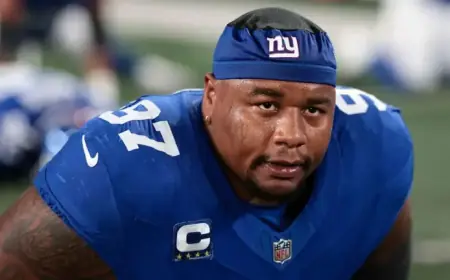
For many American fans, the Olympics have turned into a family affair where development pipelines and household routines show up on the scoreboard — and brady tkachuk is part of the broader conversation about sibling narratives. The immediate impact is emotional: parents and training environments are front row as Jack and Quinn Hughes push the U. S. toward a medal, and that changes how supporters read each play and every roster decision.
Brady Tkachuk and why the family angle matters to U. S. viewers
Here’s the part that matters: the tournament has amplified personal backstories into tangible advantage. Fans aren’t only tracking goals and assists; they’re watching a system — parents who coach, summer skates that double as development labs, teammates who have trained together for years — translate into late-game execution. That context helps explain why moments like Quinn’s overtime winner feel less like flukes and more like predictable outcomes of shared routines. Even chatter around names like brady tkachuk is folding into a larger pattern where sibling and family ties draw attention and shape expectations.
- Jack and Quinn Hughes are central figures for Team USA’s run in Milan; their on-ice connection has been a focal point for fans.
- Ellen Hughes served as a consultant for the U. S. women’s team, which won the gold medal in an overtime final, underscoring the family’s presence across both tournaments.
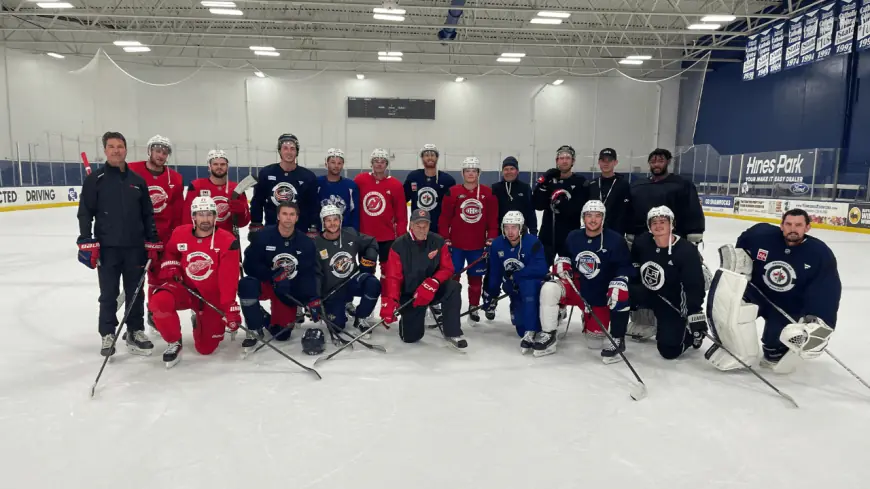
- Jim Hughes runs summer skates at a U. S. arena that have become a recurring development hub for many players now in the Olympic field.
- Cross-team interactions — visiting NHL players and young prospects staying with the family — signal a training environment that extends beyond club lines.
What’s easy to miss is how a family home and a set of recurring summer routines have become part of the national team’s preparation circuit; that private scaffolding is visible now on the Olympic stage.
Event details and the immediate scoreboard implications
The tournament narrative has built toward a semifinal for the U. S. men’s team. In the quarterfinal win over Sweden, Jack and Quinn combined on the first goal and Quinn delivered the overtime winner. Stat lines from the current run show Quinn with six points (one goal, five assists) and Jack with four points (one goal, three assists), placing them among the team’s most productive players so far. The men’s team is scheduled to face Slovakia in the semifinals at Santagiulia Arena on Friday at 3: 10 p. m. ET; that next game is the immediate pressure point for whether the family-shaped development pays off in medal contention.
Jim’s role off the ice is notable for its reach: he is the director of player development for an agency representing many NHL players and runs summer skates where a core group of regulars — including multiple members of the current U. S. roster and other NHL talents — train. The presence of visiting internationals and prospects who stay with the family highlights how these routines have become informal cross-border training opportunities, and that appears to be reflected in consistent plays during high-pressure moments.
Micro timeline:
- Summer skates — recurring player development sessions hosted by Jim Hughes that attract NHL and prospect talent.
- Quarterfinal — Jack and Quinn assisted on the first goal; Quinn scored the overtime winner to advance the U. S.
- Semifinal — U. S. faces Slovakia at Santagiulia Arena on Friday, 3: 10 p. m. ET; the outcome will determine medal-game opportunity.
The real question now is whether the chemistry honed in those off-season settings will carry the U. S. through back-to-back high-stakes games and onto the podium. If you’re wondering why the family parts of the story keep coming up, that’s because they’re visible in both personnel and results — and they’re reshaping fan expectations in real time.
Writer’s aside: It’s easy to overlook, but the mix of private coaching, summer skates and players staying under the same roof creates repeat exposure that can speed familiarity and decision-making under pressure.