
























Boeing Starliner Failure Leaves Astronauts Stranded and Forces Leadership Reckoning

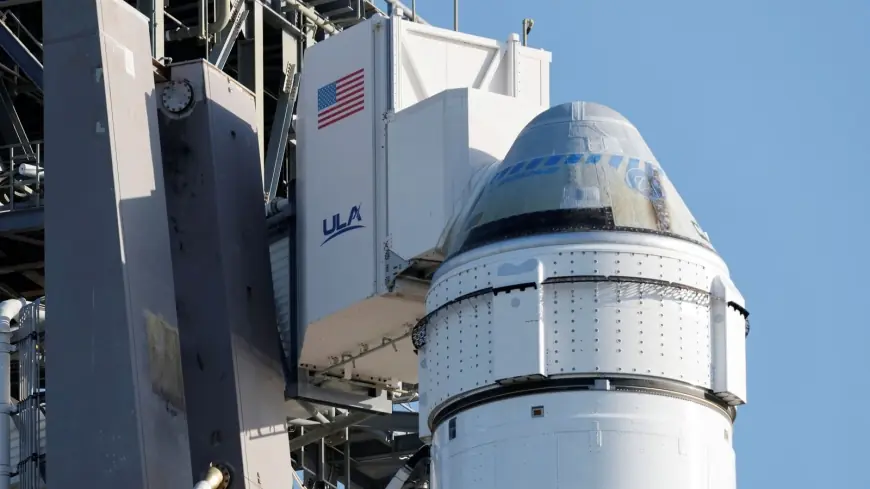
The newly published investigation into the boeing starliner failure reframes who felt the damage first: two test pilots, agency leadership and program safety standards. The report’s Type A designation — the agency’s highest — makes this more than a technical setback; it forced months-long disruption for the crew, prompted a public call for leadership accountability, and set corrective actions in motion across the program.
Boeing Starliner Failure: Immediate impact on crew, oversight and future missions
Here’s the part that matters to people inside and outside the program: the classification signals that the mission crossed a threshold reserved for the most severe mishaps, putting human safety and organizational practices at the center of the response. Two astronauts were left unable to return as planned and spent an extended period off Earth while investigators traced hardware and management problems. Leadership at the agency publicly blamed decision-making lapses in both contractor and agency ranks and announced steps to hold accountable those responsible.
What’s easy to miss is the scale of the organizational diagnosis: investigators pointed to an interaction of hardware failures, qualification gaps, leadership missteps and cultural breakdowns that created conditions inconsistent with the agency’s human flight safety standards. The report will be accepted as final and corrective actions are being implemented before Starliner flies again.
Event details and timeline (concise)
The spacecraft experienced propulsion and thruster anomalies that reduced maneuverability as it approached the space station and required manual recovery to complete docking. Engineers later determined there were combined hardware issues and oversight shortfalls that extended what had been planned as a short test to a much longer ordeal for the crew.
- Launch and mission timeline elements described in the report include a crewed launch in mid-2024 and a return of the vehicle later that year.
- The mission’s planned eight-to-14-day duration was altered while the anomaly was investigated; some accounts describe the crew’s stay as lasting more than nine months, while the formal report references an extension measured in days. This discrepancy remains a point that the public record treats as developing.
- The two astronauts ultimately returned to Earth on a different crewed flight in March 2025.
The investigation team concluded that the cascade of technical and cultural problems warranted a Type A mishap classification — the same severity level historically set for the most serious incidents in the agency’s past. The administration named to lead the agency after the event has emphasized transparency and leadership accountability as key corrective themes.
The real question now is how quickly the corrective measures will translate into verifiable fixes: engineers and program managers will need to close qualification gaps, resolve hardware root causes, and demonstrate improved oversight before the vehicle is recertified to carry crew.
Stakeholders affected include the test crew who experienced the extended mission and later left the agency, program managers responsible for certification and acceptance decisions, and the contractor teams tasked with design and quality assurance. Industry partners and future mission planners will be watching implementation of corrective actions closely for signs that systemic problems have been contained.
Editorial aside: The bigger signal here is that the document links technical failures directly to leadership and cultural issues — not just component faults — which changes how fixes must be designed and verified.
Short, practical indicators that will show progress: demonstrable closure of identified hardware qualification gaps, independent verification of repaired propulsion systems, and clear evidence of changed oversight practices before any crewed return-to-flight decision. Recent updates indicate some corrective work is underway, and the agency will accept the report as final while continuing collaborative work with the contractor to resolve remaining technical root causes.