

















Asha Sharma to Lead Microsoft Gaming: Immediate shifts in strategy as Phil Spencer retires and Matt Booty moves to Chief Content Officer

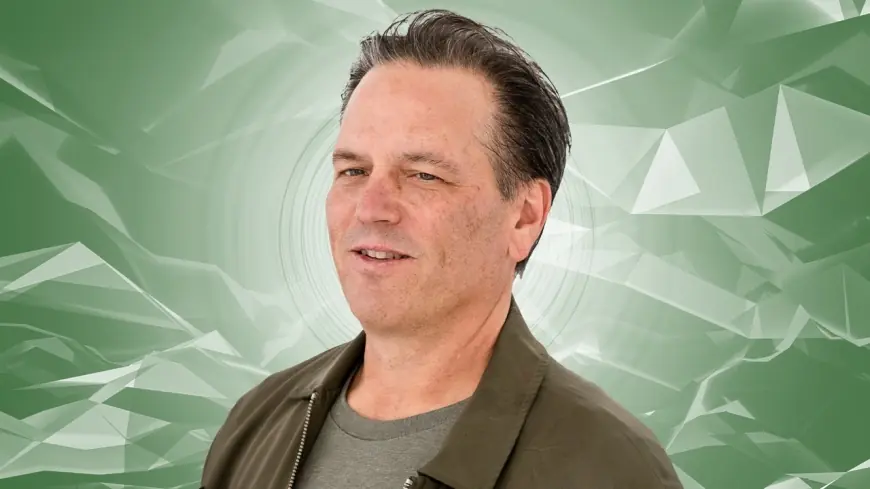
Why this matters now: Leadership reshuffles at the top of Microsoft Gaming signal an active reset of priorities—studio empowerment, a renewed console focus and tighter content oversight—headed by asha sharma. For teams, partners and players who have watched a long-running management era, the transition compresses a planned handoff into immediate operational decisions.
Consequences for strategy and creative priorities
Here’s the part that matters: the new leadership lineup changes who sets the creative and product direction. With asha sharma stepping into the chief role and Matt Booty elevated to oversee content, expect an early emphasis on strengthening flagship franchises and backing studio-level autonomy. That combination places product and content leadership side by side, making choices about investment, risk and platform focus more centralized at the top.
Shifts of this scale typically affect multi-year plans for game roadmaps, console cycles and developer deals. The immediate management decisions will likely prioritize studios and titles considered core to the platform while testing where to place bold bets. The real question now is how quickly internal resource allocations and public-facing messaging will follow the new hierarchy.
Asha Sharma joins as CEO amid wide leadership change
The named changes: Phil Spencer is retiring, effective Monday, February 23. Sarah Bond has resigned. Asha Sharma, who currently serves as president of Microsoft’s CoreAI product, will assume the role of CEO of Microsoft Gaming. Matt Booty will be promoted to Chief Content Officer and will work closely with Sharma. Phil Spencer will remain in an advisory role through the summer to support the transition.
Background details included in internal communications note that Spencer joined the company as an intern in 1988, has been involved with Xbox since the platform’s launch in 2001, and spent 12 years leading Gaming. Sharma joined the company in 2024; her prior roles listed include vice president of product and engineering at Meta, chief operating officer at Instacart, and a board role with The Home Depot.
It’s easy to overlook, but the combination of an AI-product leader moving into a gaming CEO role and a consolidated content chief points toward faster integration between platform-level product thinking and content strategy.
- Micro timeline (verified items):
- 1988: Phil Spencer joined the company as an intern.
- 2001: Spencer associated with Xbox since the platform’s launch.
- 2024: Asha Sharma joined the company; Spencer’s retirement effective Feb. 23 and advisory role through the summer.
Operationally, having Spencer available as an adviser while Sharma and Booty take active control should smooth immediate handoffs; longer-term direction will be signaled by early personnel moves, investment choices, and public product roadmaps.
- Key takeaways:
- Leadership now pairs AI/product experience at the top with a dedicated content chief—this is likely to reshape investment priorities for studios and titles.
- Studios and long-term console customers are the most immediately affected groups; expect near-term reviews of flagship franchises and allocation of development resources.
- Promotions and resignations compress a planned transition into a short window; how the new leaders communicate priorities will set the tone for partners and players.
- Signals to watch for that would confirm direction: early announcements of studio funding shifts, changes to console-focused roadmaps, or public commitments to franchise investments.
The editorial aside: What’s easy to miss is how much a single organizational chart change can accelerate or stall multi-year creative projects—leadership intent matters, but so does how quickly intent converts into budgets and deadlines.
If you’re wondering why this keeps coming up: transitions at this level rarely remain internal for long; teams, partners and players will look for concrete steps in the coming months that back the stated commitments to great games and renewed console focus.