






















Supreme Court Rejects Broad Emergency-Tariff Authority in 6-3 Decision, Drawing Presidential Criticism

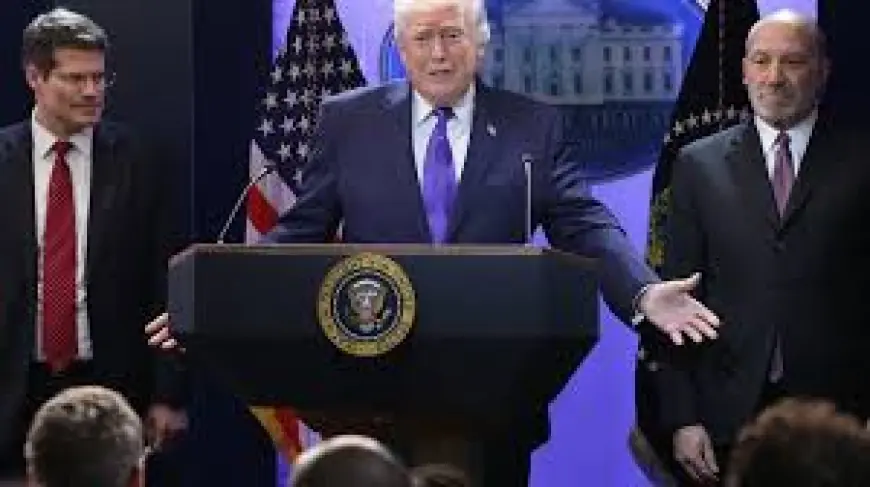
The supreme court issued a 6-3 decision that limits the president’s ability to impose sweeping tariffs under a specific emergency-powers statute, and the president responded angrily at a public event. The ruling removes a central legal foundation for recent tariff actions and immediately sharpened a political fight over executive trade authority.
What happened and what’s new
The court concluded in a 6-3 ruling that the statutory emergency authority relied on to impose broad tariffs does not grant the president power to levy tariffs. The high court blocked tariffs that had been levied under that emergency statute, finding that the measure at issue did not encompass the imposition of tariffs as used by the administration.
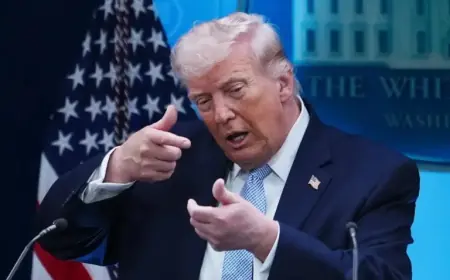
At a closed-door White House breakfast with governors, an aide handed the president a note about the ruling. The president characterized the decision as disgraceful and proceeded with his remarks. The move to block the tariffs represents a major judicial check on the executive branch’s trade tools.
Behind the headline — Supreme Court ruling and reactions
Context: The decision reverses a legal path the administration had used to implement tariffs under an emergency-powers law. Tariffs had been a prominent element of the president’s trade agenda since returning to office, and this judgment strips away a statutory basis for using that emergency authority to impose broad tariff measures.
In the immediate political aftermath, reactions were mixed. One member of Congress from Georgia criticized the ruling as undercutting the president’s ability to defend American workers and characterized the decision as judicial overreach. A senator from Kentucky welcomed the outcome, framing it as a barrier to using emergency powers to enact taxes or large-scale economic programs in the future.
Key actors and leverage:
- The Supreme Court: now the arbiter of the statutory reach of emergency trade powers.
- The president: loses a legal pathway relied upon for broad tariff actions under the challenged statute.
- Congress: gains leverage to clarify or change the statutory language if it chooses, since the court’s ruling leaves the underlying allocation of authority unsettled in practice.
What we still don’t know
- Whether the administration will seek an alternative legal basis to impose tariffs or pursue new legislation to restore the authority.
- How broadly the court’s reasoning will apply to other emergency economic actions beyond the specific tariffs that were blocked.
- Whether affected tariff measures will be rescinded immediately or adjusted while legal and policy options are weighed.
- What specific next steps congressional leaders or the administration will take in response to the judgment.
What happens next
- Legislative response: Congress could draft clarifying legislation that expressly grants or limits the use of emergency tariff authority; trigger: leadership signal or bill introduction.
- Executive pivot: The administration could pursue alternate legal avenues for trade measures or narrow future actions to fit within the court’s interpretation; trigger: new executive orders or legal filings.
- Operational rollback: Some tariff actions tied to the invalidated authority could be suspended or rescinded while legal counsel reviews options; trigger: internal White House guidance or formal announcements.
- Judicial ripple effects: Lower courts and agencies may revisit related cases or rulemaking that relied on the same statutory reading; trigger: subsequent litigation or agency actions.
Why it matters
Practical impact: The supreme court’s decision removes a legal tool used to impose broad tariffs under emergency authority, directly affecting the administration’s trade toolkit. For businesses and trade partners that faced those tariffs, the ruling creates immediate uncertainty about the durability of recent tariff measures.
Policy and political implications: The ruling sharpens the separation of powers around trade and emergency economic measures. It places pressure on both the executive branch to recalibrate tactics and on Congress to decide whether to amend the statute if policymakers want different authority. Politically, the decision has already become a point of contention, with proponents of stronger executive trade powers criticizing the court and opponents framing the result as a protection against unilateral taxation emergency declarations.
What to watch: legislative action or administrative adjustments will determine whether the practical effect is temporary disruption or a sustained reshaping of how the United States uses emergency economic authority.