























Bet 365 and Uber Eats Outages Leave Thousands Unable to Use Apps — U.S. Users Hit First

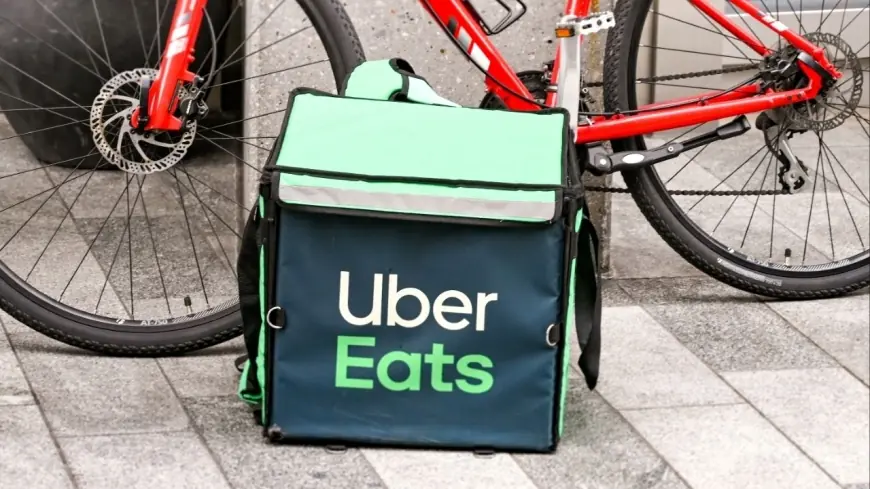
The immediate impact landed on everyday app users: more than 3, 500 problem reports were logged for a popular delivery app by mid-morning, and conversations about bet 365 and other services trending down pointed to a broader interruption across categories. For people trying to order, check accounts or finish transactions, the practical effect was the same — apps failing to load or showing errors — while companies have not set firm restoration timelines.
Bet 365’s appearance on outage lists highlights how users felt the disruption
Here’s the part that matters: these incidents aren’t isolated inconveniences for tech-savvy early adopters — ordinary users in multiple regions, notably the United States, were blocked from completing basic tasks inside apps. Reports indicated errors and failed loading as the dominant symptoms. What’s easy to miss is how outages that hit different app categories at the same time amplify frustration, because they remove multiple fallbacks people rely on in a single window.
What the outage looked like (the details that were visible)
By mid-morning, an outage-tracking service had logged more than 3, 500 problem reports for the delivery platform; most of the problem reports described app-level failures rather than payment or account-only issues. Conversations and status signals in user communities showed that Workday and Bet365 were also trending as services experiencing interruptions, and many users said apps were not loading.
- Geography: Reports showed issues in the United States.
- Symptoms: Errors and failed loading were the most common user messages.
- Scope: Multiple services—spanning delivery, workplace software and betting—were mentioned as down or not working.
- Restoration: Companies have not confirmed full timelines for restoration.
For clarity: bet 365 appeared in the same wave of user complaints as the other services, indicating concurrent disruptions across unrelated app categories rather than a single-service outage pattern. That overlap is a core part of why the disruption felt larger than any single outage metric suggests.
- More than 3, 500 problem reports logged (timestamped mid-morning local time in the original window).
- Users across the U. S. were seeing errors or apps failing to load.
- Workday and Bet365 were among the other services flagged during the same period.
Key takeaways:
- App users experienced broad usability failures — not limited to one sector — which increases the chance of spillover effects (e. g., delayed orders, disrupted workflows).
- Individuals relying on mobile access were the first and most immediate group affected.
- Parallel outages across different services can make diagnosis slower for users and support teams, prolonging disruption.
- Confirmation of full service restoration had not been provided in the initial window, so timelines were unsettled.
The real question now is whether these simultaneous disruptions trace to a shared upstream dependency or simply a cluster of independent failures; available status signals at the time showed only the user-facing symptoms and not a confirmed root cause. The real test will be how quickly services restore normal operations and whether follow-up updates explain whether there was a common vector.
It’s easy to overlook, but outages that span different service types tend to leave a longer memory with users — a single outage is inconvenient, multiple overlapping outages can change trust. If you’re wondering why this keeps coming up, consider that when apps across commerce, workplace and entertainment ecosystems fail at once, users lose multiple fallback options simultaneously.