

























Russian Fighter Jets Escorted Out of Alaska’s ADIZ After Multiple Warplanes Detected

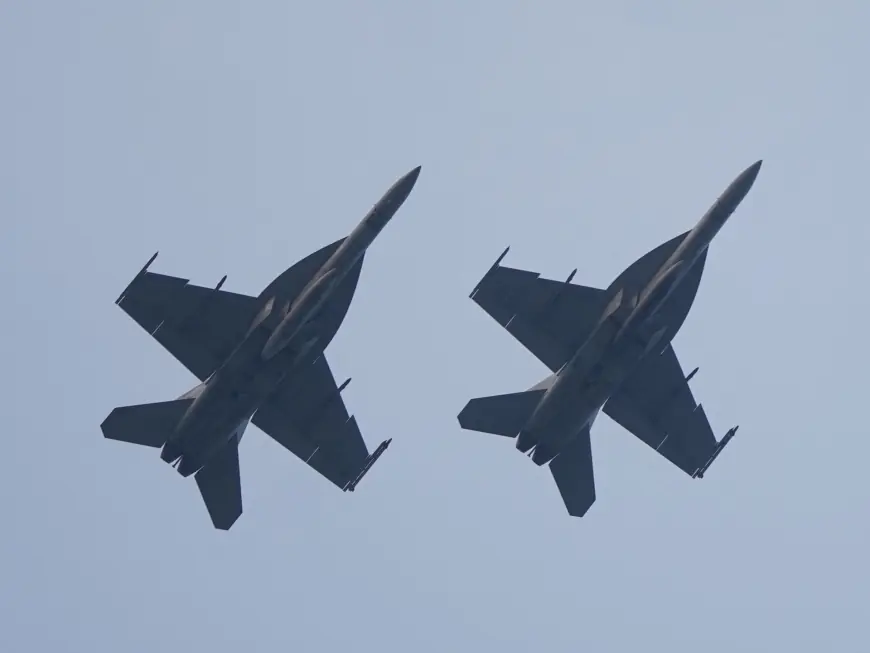
U. S. military aircraft were scrambled Thursday after russian fighter jets and accompanying Russian bombers and a spy plane were detected operating off the western coast of Alaska near the Bering Strait; the aircraft were tracked inside the Alaskan Air Defense Identification Zone (ADIZ) and escorted until they departed the area. The move highlights continuing monitoring and interception activity around the ADIZ and the persistent requirement to identify aircraft approaching North American sovereign airspace.
Russian Fighter Jets and Bombers Tracked in the Alaskan ADIZ
Federal air defences detected two Tu-95 bombers, two Su-35 fighter aircraft and an A-50 reconnaissance aircraft operating in the Alaskan ADIZ. The presence of those Russian platforms prompted a rapid response by U. S. forces to ensure identification and safe separation while the foreign military aircraft remained in international airspace just outside U. S. and Canadian sovereign airspace.
NORAD Response and Escort Composition
NORAD launched intercept and escort aircraft to monitor and accompany the Russian formations while they were in the ADIZ. Deployed U. S. assets included two F-16s, two F-35s and multiple KC-135 refueling tankers. One account also listed an airborne early-warning platform among the responding assets. The American jets escorted the Russian aircraft until they left the Alaskan ADIZ; the activity did not involve entry into U. S. or Canadian sovereign airspace and was not characterized as a threat.
A Pattern of Repeated Activity Near Alaska’s Air Defence Zone
The latest encounter is consistent with a pattern of similar activity near Alaska. In recent years U. S. intercepts have included scrambles to meet Tu-95s and Su-35s in the ADIZ, multiple intercepts of a Russian IL-20 reconnaissance aircraft over a single week, a short-range close pass captured in a video showing a Russian fighter near a NORAD aircraft, and joint Russian-Chinese bomber flights that entered the zone. These recurring operations have prompted routine identification and escort responses whenever foreign military aircraft are tracked near the boundary where sovereign airspace ends and the ADIZ begins.
The Alaskan ADIZ is defined as a stretch of international airspace that starts where U. S. and Canadian sovereign airspace ends and requires the ready identification of aircraft in the interest of national security. Nations have declared ADIZs unilaterally to require identification of foreign military aircraft operating in designated approaches; ADIZs are distinct from sovereign airspace and are not governed by an international body.
The most recent interception adds to a series of encounters that authorities describe as routine monitoring rather than direct threats. Observers note that such operations continue to test identification and escort procedures along Alaska’s approaches and reinforce the role of rapid-response fighters and tanker support in maintaining situational awareness around the ADIZ.
Developments remain operational in nature and subject to further statements from defense authorities. Recent updates indicate the aircraft were tracked and escorted out of the ADIZ without breaching sovereign airspace; details of command-level assessments or diplomatic responses were not provided.