






















Boeing Starliner Failure: NASA Declares 2024 Crewed Test a 'Type A' Mishap After Months-Long Ordeal

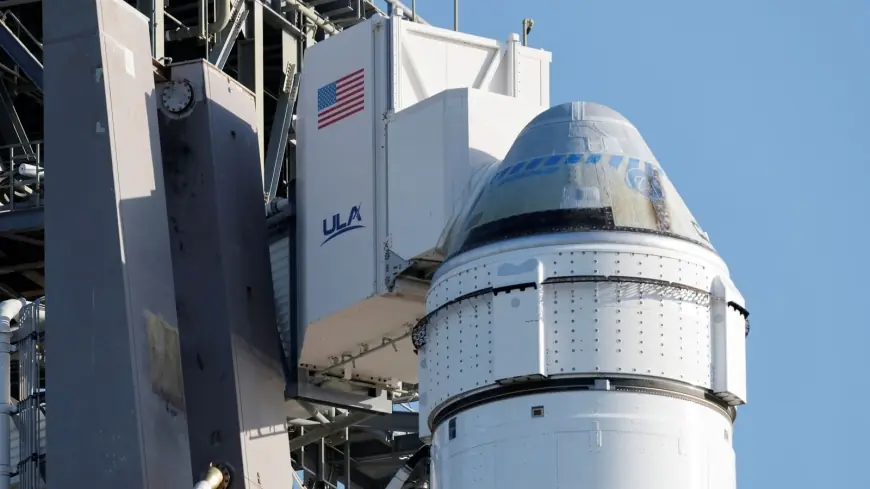
The newly released investigation into the Boeing Starliner Failure finds the 2024 crewed test flight was a "Type A" mishap, the agency's most severe classification, and concludes hardware failures combined with leadership and cultural problems created risk conditions inconsistent with human spaceflight safety standards. The mission left two NASA astronauts stranded in space for more than nine months before they returned to Earth on a different vehicle.
Why the Boeing Starliner Failure was classed as a "Type A" mishap
The investigation team concluded that the flight lost significant maneuverability as it approached the International Space Station, triggering the highest-level mishap designation. A "Type A" classification is reserved for incidents that cause major damage, the loss of a vehicle or control, or deaths; the report emphasized that while there were no injuries, the potential for a catastrophic outcome was real.
Key factors cited in the findings include an interplay of combined hardware failures and qualification gaps alongside leadership missteps and cultural breakdowns. Those technical and organizational issues turned what was planned as a short test mission into an extended crisis that required corrective action at multiple levels.
Boeing Starliner Failure: what unfolded and what investigators found
The flight experienced propulsion system anomalies that left the crewed capsule dangerously out of control at one point. The two astronauts on board were eventually able to recover certain propulsion capabilities and manually dock with the space station, but the mission was no longer the short-duration test it had been intended to be.
- Hardware and technical problems: Investigators identified failures that affected maneuverability and docking operations, and noted other technical challenges documented during earlier development and flights.
- Leadership and cultural issues: The inquiry found leadership missteps and a cultural breakdown between organizations that contributed to lapses in oversight and decision-making.
- Program-level pressures: The report indicated programmatic objectives influenced engineering and operational decisions during and immediately after the flight.
The spacecraft ultimately returned to Earth without the two NASA astronauts aboard, and the astronauts later returned safely on a different crewed mission. The investigative report recognized ongoing technical work to identify root causes and said corrective actions are being implemented before any return-to-flight.
Accountability, corrective steps and the path forward
NASA's administrator framed the classification and the investigation's findings as a demand for leadership accountability and transparent corrective measures. The agency has accepted the investigation as the final report and stated it will take actions to address the findings in order to improve crew and mission safety.
Investigators emphasized that the problems identified were not limited to a single failure, but were the result of interacting technical, procedural and cultural issues. The report underscores that both vehicle readiness and program oversight must meet rigorous safety standards before resuming crewed operations.
Recent updates indicate organizations involved have been working together to implement corrective steps and continue technical root-cause efforts. Details of those corrective programs and timelines for a return-to-flight remain subject to further review and completion of recommended actions.
| Event | Detail |
|---|---|
| Launch | Crewed test flight departed in 2024 |
| On-orbit anomalies | Propulsion system issues left the spacecraft at risk during approach and docking |
| Mission duration | Originally planned as a short test; extended into a months-long period for the astronauts |
| Spacecraft return | Vehicle returned to Earth without the two NASA astronauts aboard |
| Investigation | Final report completed and accepted; classified as a "Type A" mishap |
The Boeing Starliner Failure investigation delivers a stark assessment: combined technical and organizational weaknesses created conditions inconsistent with established safety norms. The agency has pledged corrective action and leadership accountability, and future crewed flights will proceed only when the vehicle and program meet the required safety threshold. Recent updates indicate the technical work and implementation of recommendations are ongoing; details may evolve as corrective measures are completed.